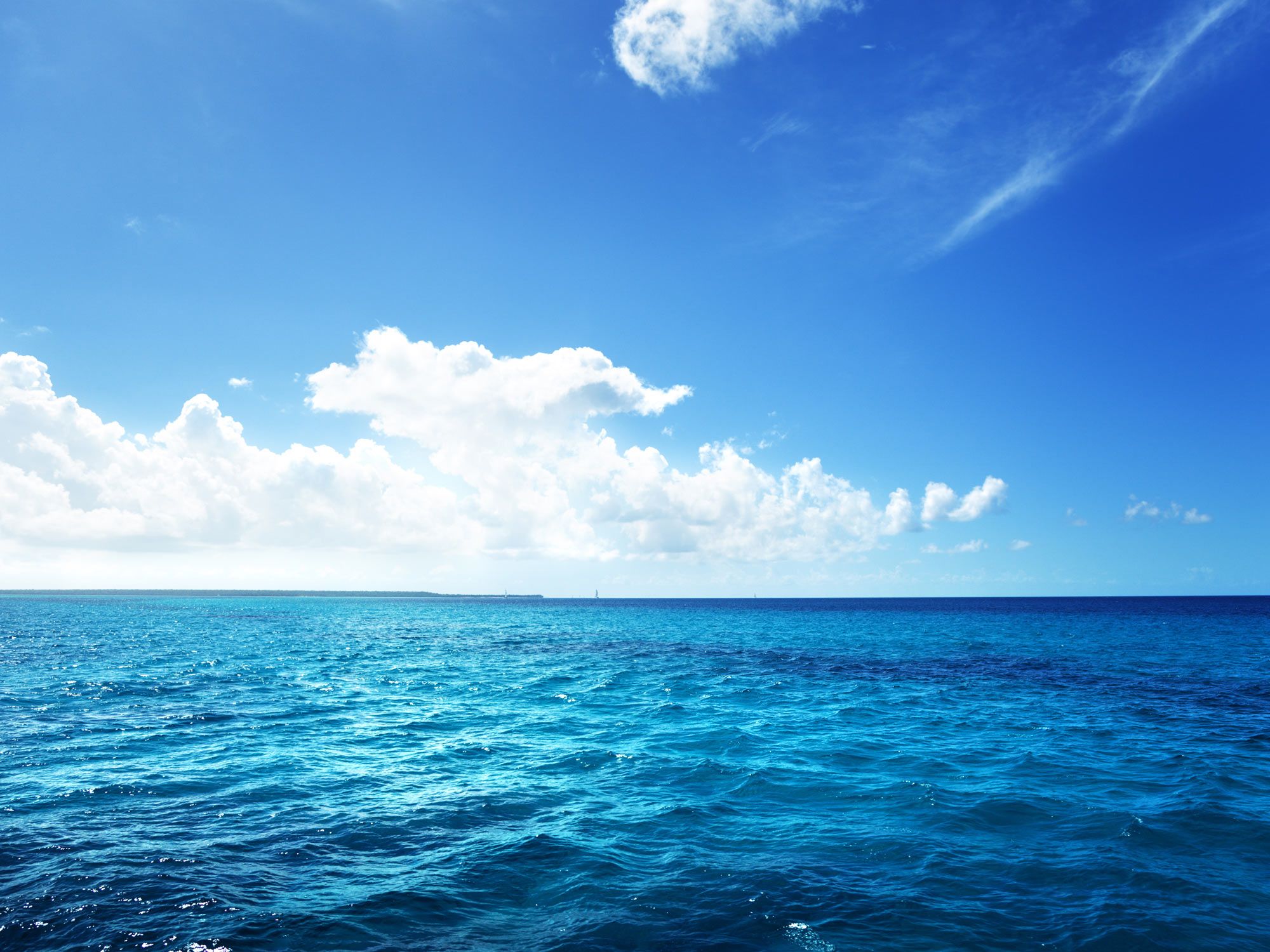
Every year on June 8th, the world observes World Oceans Day. The theme announced by the United Nations for World Oceans Day 2026 is as follows: [1]
Reimagine: Beyond the world we know, a new relationship with our ocean
World Oceans Day reminds us that we have long perceived the ocean as a vast, remote space. In reality, however, the ocean has always been interconnected with our existence—embedded within the air we breathe, the food we consume, and the climate that sustains life. Now is the time to transcend the conventional perspective that views the ocean merely as a repository of resources, and to fundamentally rethink our relationship with it.
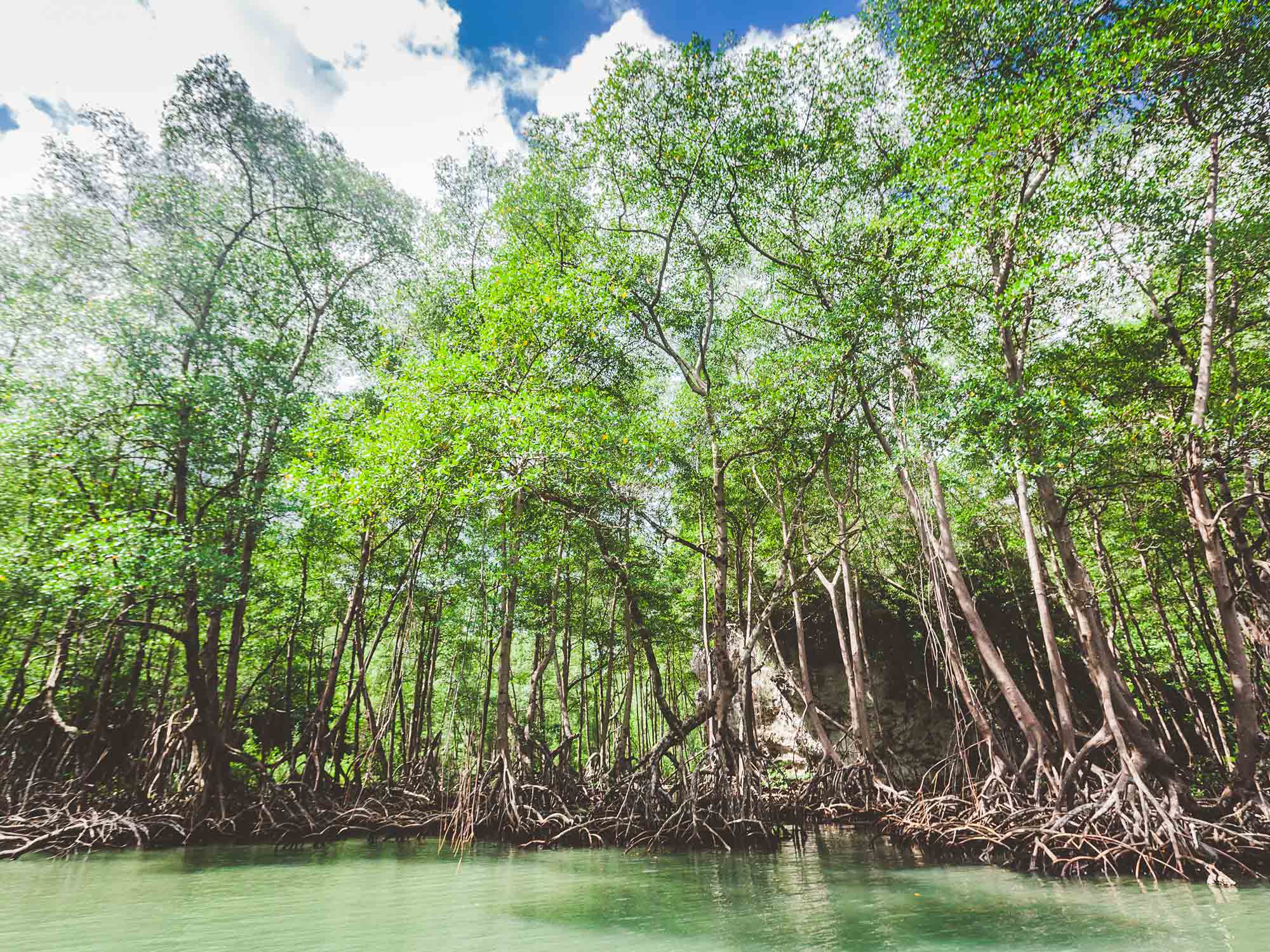
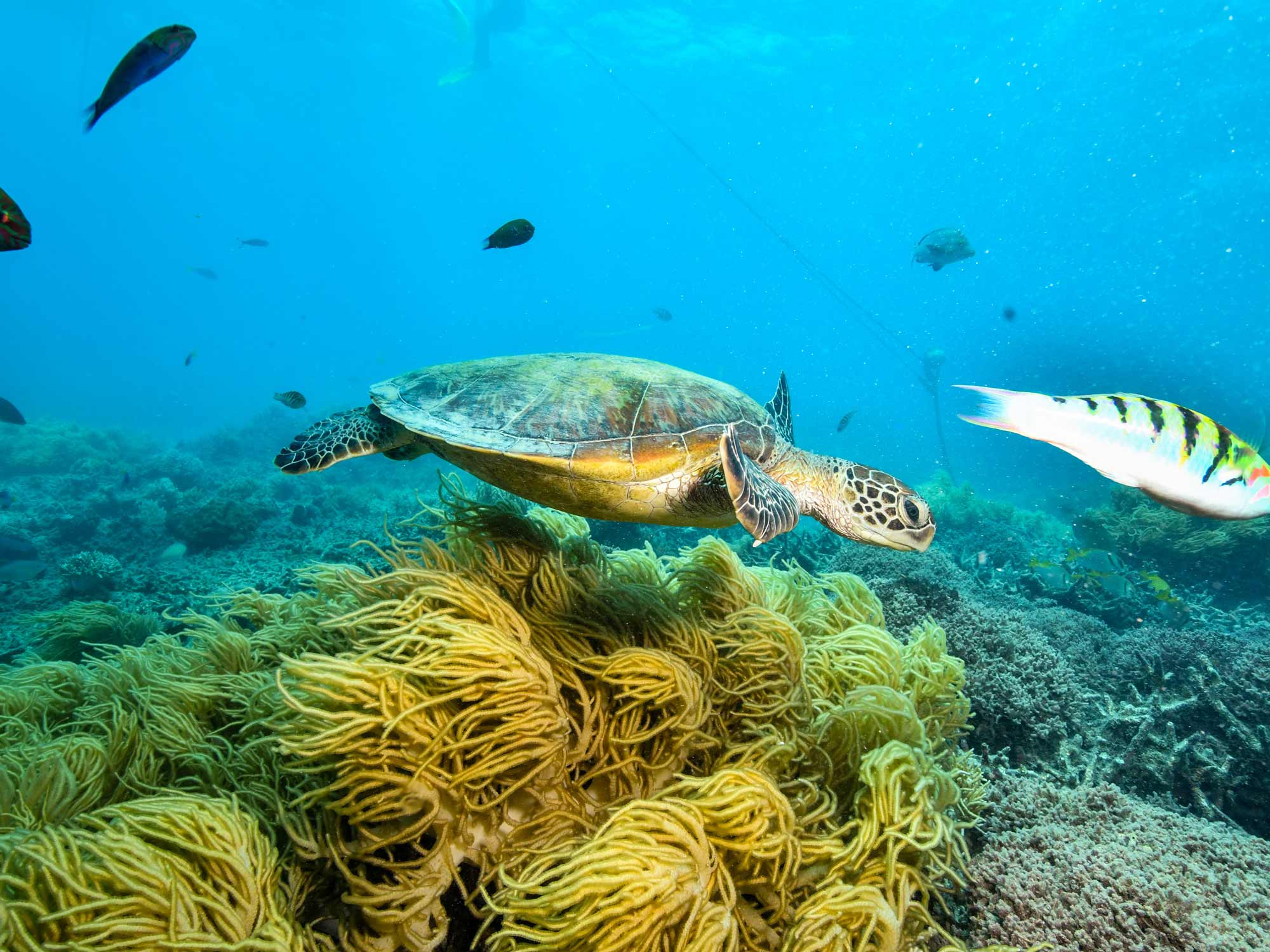
What, then, is the ideal state of the ocean we desire? It is an azure beach stretching over white sands, beyond which a myriad of marine life coexists in harmony. We hope this pristine beauty of the ocean will be preserved and passed down to future generations intact. However, the ocean cannot be protected by mere wishful thinking. While the degradation of marine environments occurs rapidly, their recovery requires an extensive period. Therefore, actions to protect the ocean must commence now, before it is too late.
The Arduous Path to Recovery
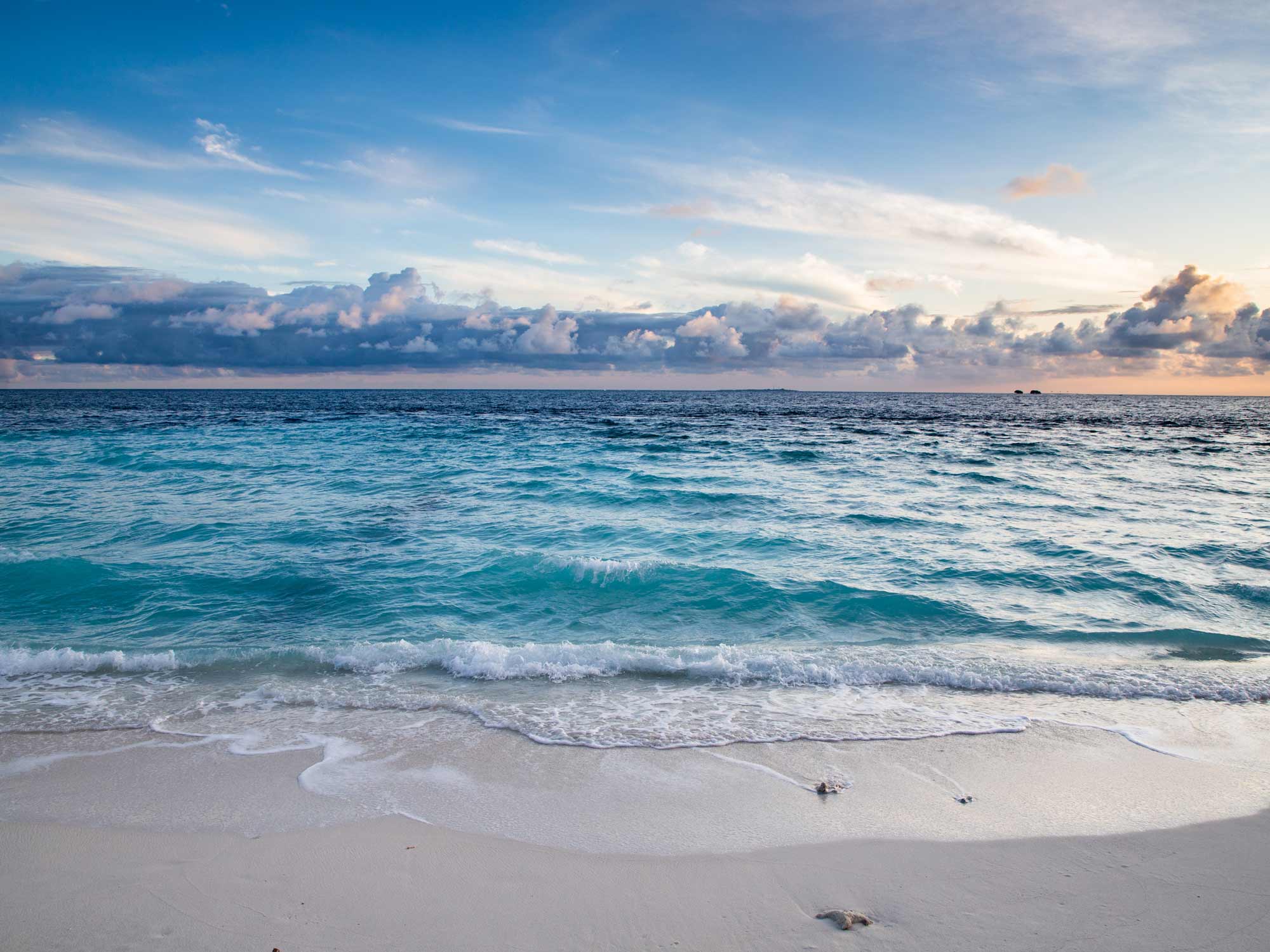
Once damaged, marine ecosystems require considerable time to restore their original states. Coral reefs and mangrove forests serve as prime examples of this phenomenon.
Although coral reefs occupy less than 1% of the ocean floor, they constitute a critical ecosystem that supports at least 25% of all marine species. However, due to factors such as rising sea temperatures and pollution, coral reefs are facing severe threats. [2] ] In particular, mass coral bleaching events inflict devastating damage on these ecosystems. According to a media report citing research published in the international journal Science, even fast-growing corals require a minimum of 10 to 15 years to fully recover after experiencing severe bleaching, and the restoration of an entire reef ecosystem can span several decades. [3]
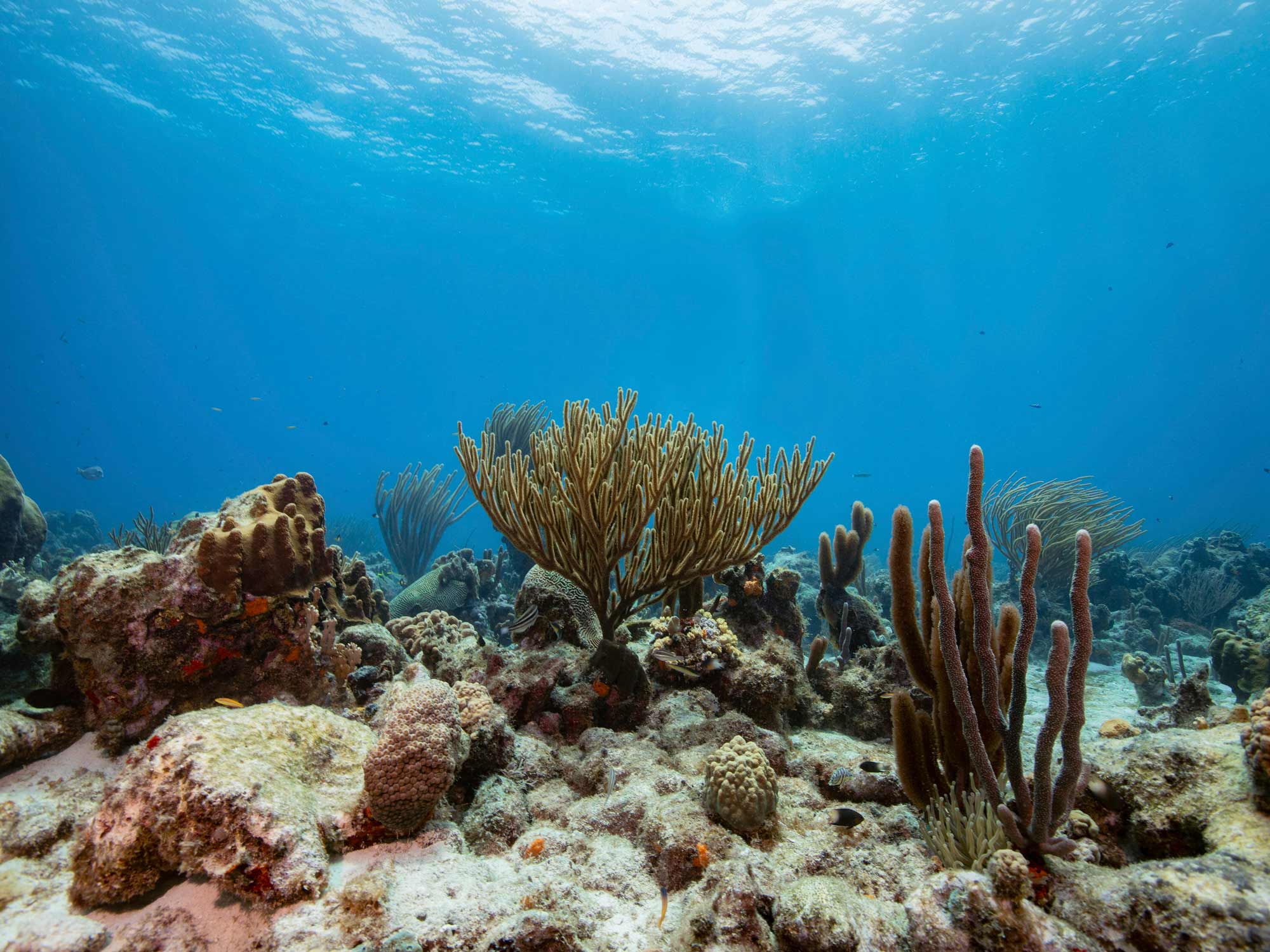
Mangrove forests face a similar predicament. According to a study published in the international journal Communications Earth & Environment in 2025, it takes an average of 30 years for degraded mangrove wetlands that have been restored or newly created to regain the structural complexity of an original forest. [4] As demonstrated, a stark disparity exists between the velocity of ecosystem collapse and the rate of its recovery. While post-damage restoration is essential, implementing immediate proactive measures to prevent degradation is of paramount importance.
Initiatives within the International Community
For these reasons, the international community is shifting its focus beyond post-damage restoration toward a preventative approach aimed at mitigating degradation itself. Goal 14 of the United Nations Sustainable Development Goals (SDGs), “Life Below Water,” aims to conserve and sustainably use the oceans, seas, and marine resources, designating the reduction of marine pollution and the protection of marine and coastal ecosystems as primary objectives. [5]
Furthermore, governments and international organizations are strengthening cooperation to protect marine ecosystems by advancing policies such as expanding Marine Protected Areas (MPAs), reducing plastic pollution, and conserving blue carbon ecosystems. Notably, the BBNJ Agreement (Biodiversity Beyond National Jurisdiction), which addresses the conservation and sustainable use of marine biological diversity in areas beyond national jurisdiction, entered into force on January 17, 2026, marking a significant turning point in global ocean governance. [6]
These initiatives by the international community signify that the paradigm of marine conservation is expanding from mere remediation to proactive prevention. While restoring a damaged ecosystem demands immense time and exorbitant financial costs, preventative protection is far more efficacious. Ultimately, the swiftest recovery for the ocean begins not with rehabilitation after degradation, but with prevention to avert damage entirely.
Practical Action for an Azure Ocean
University students are actively participating in these endeavors. ASEZ is implementing the ABC (ASEZ Blue Carbon) initiative to raise awareness about the importance of marine ecosystem conservation and to expand grassroots action. Through coastal and river cleanup activities, environmental awareness campaigns, and biodiversity protection efforts, they strive to prevent marine pollution and foster a healthy marine environment.

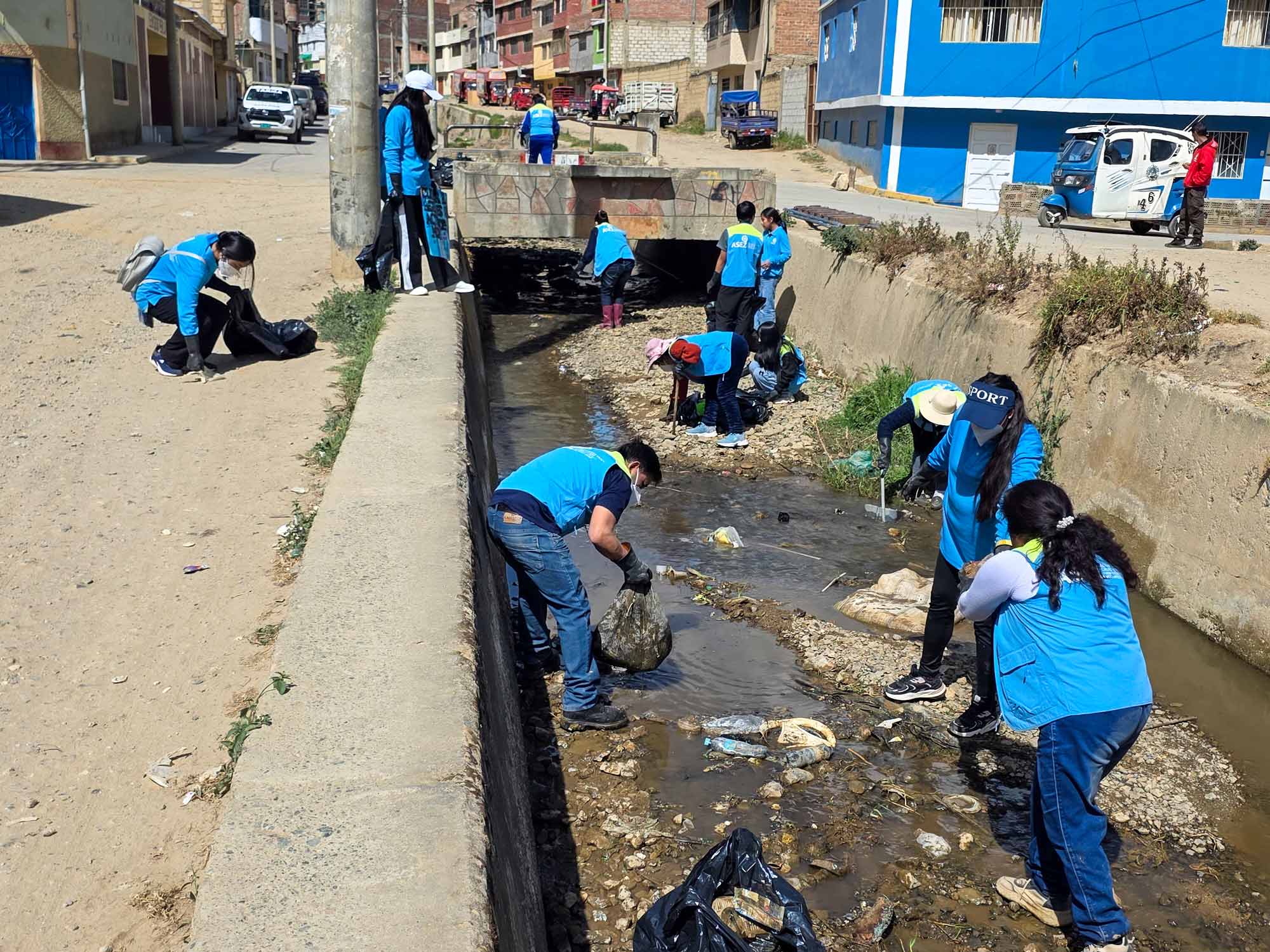
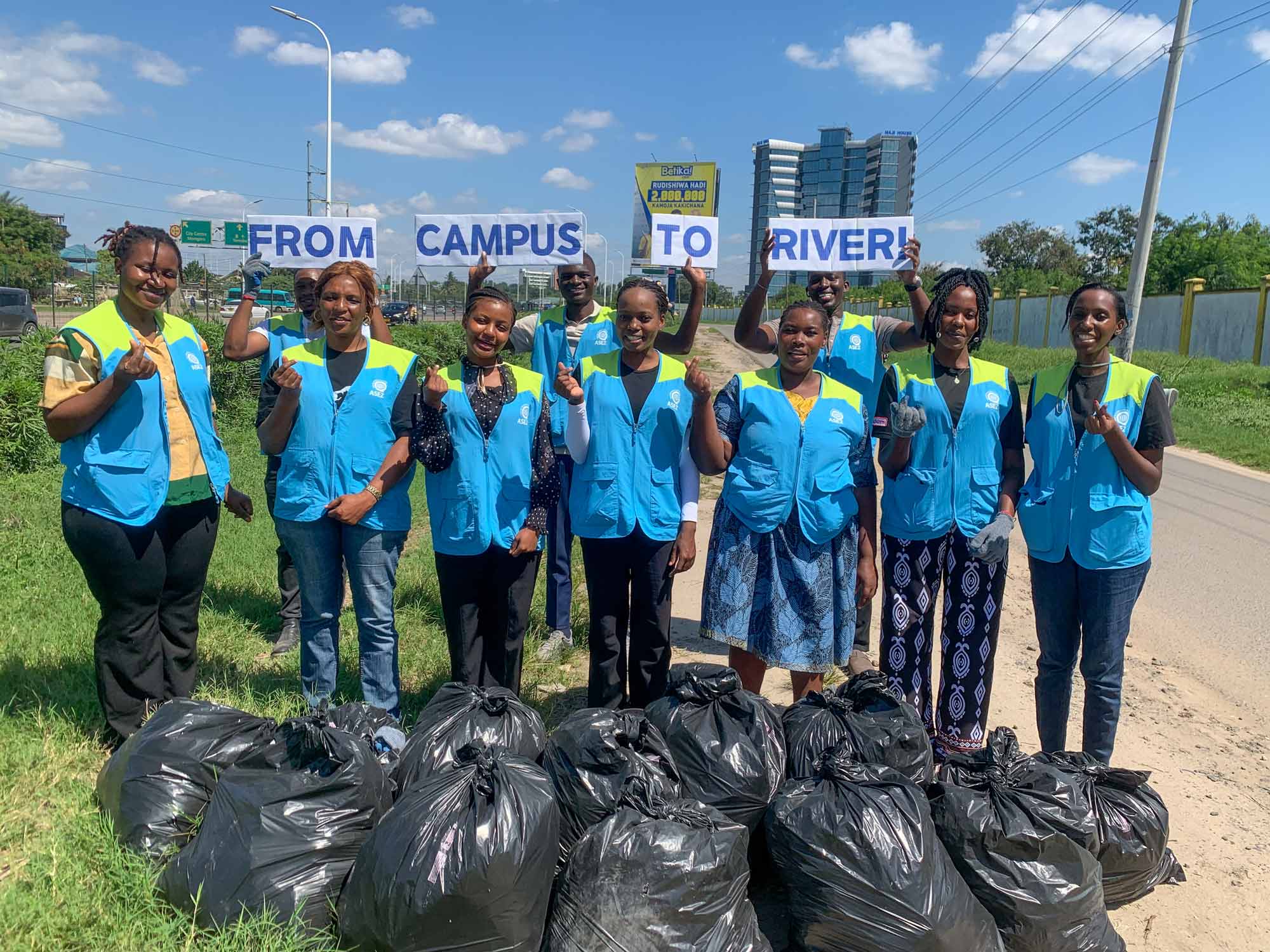
Most notably, they are currently spearheading the “Global Blue Carbon Ecosystem Protection Initiative 2026” campaign, contributing to the mitigation of plastic pollution and the preservation of blue carbon ecosystems. This campaign emphasizes that university students’ daily plastic consumption can migrate through rivers and coastlines, ultimately impacting the ocean and blue carbon ecosystems, thereby highlighting the necessity of interconnected action from inland areas to the coast.
Blue carbon refers to the carbon sequestered and stored in coastal ecosystems, such as mangrove forests, salt marshes, and seagrass meadows; it plays a critical role in mitigating climate change and conserving marine ecosystems. [7] The activities of ASEZ are significant because they transcend merely raising environmental awareness among university students, translating instead into tangible actions that reduce further degradation of marine ecosystems. We are all awaiting a vibrant, healthy ocean. However, anticipation alone cannot precipitate change. World Oceans Day is not only a day to reflect on the invaluable nature of the ocean but also a day to contemplate what we can actively contribute to its preservation. The most effective way to shorten the wait for a restored ocean is to protect it today. Every small action we practice now can accelerate the realization of a thriving azure ocean tomorrow.