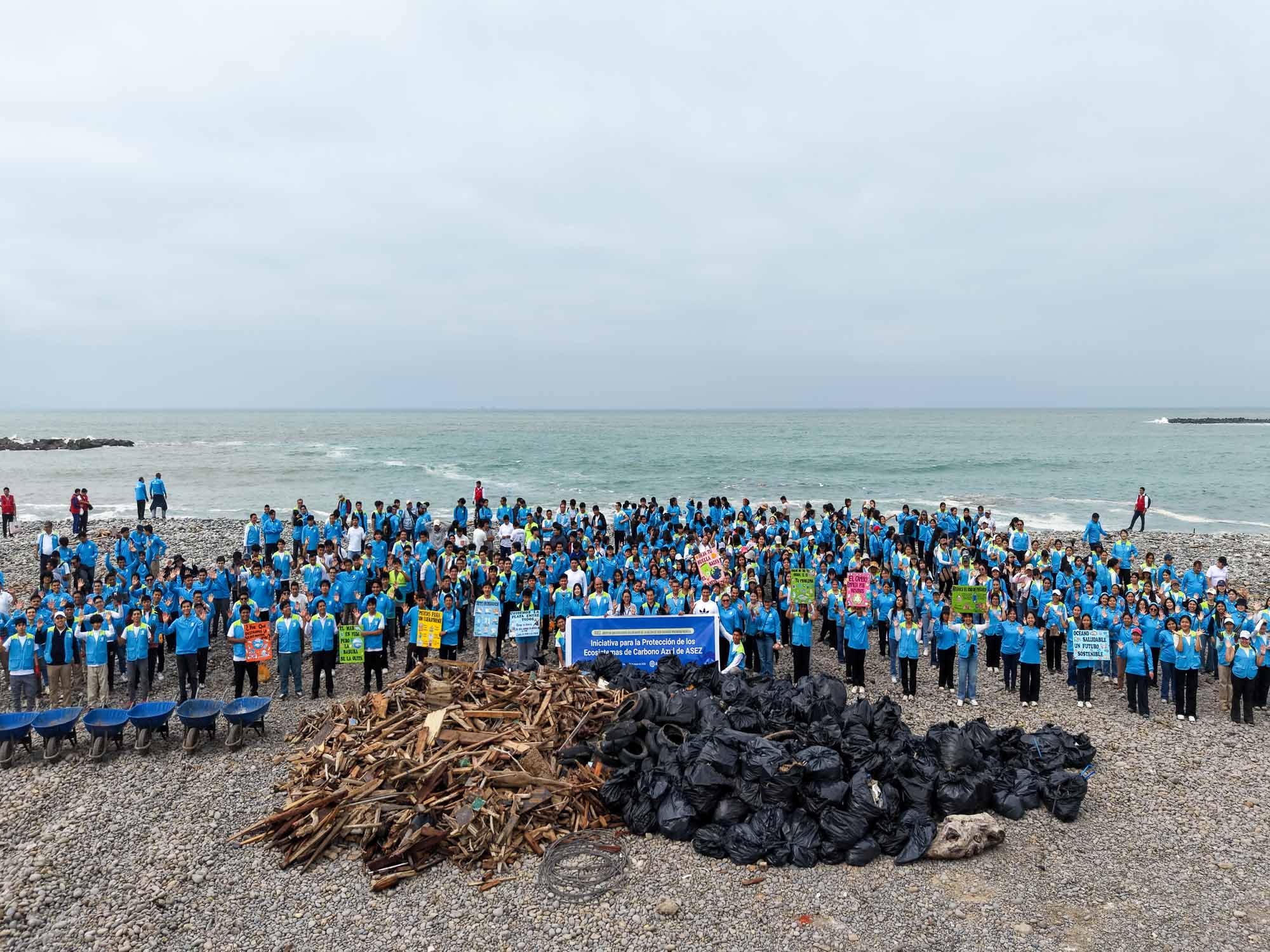
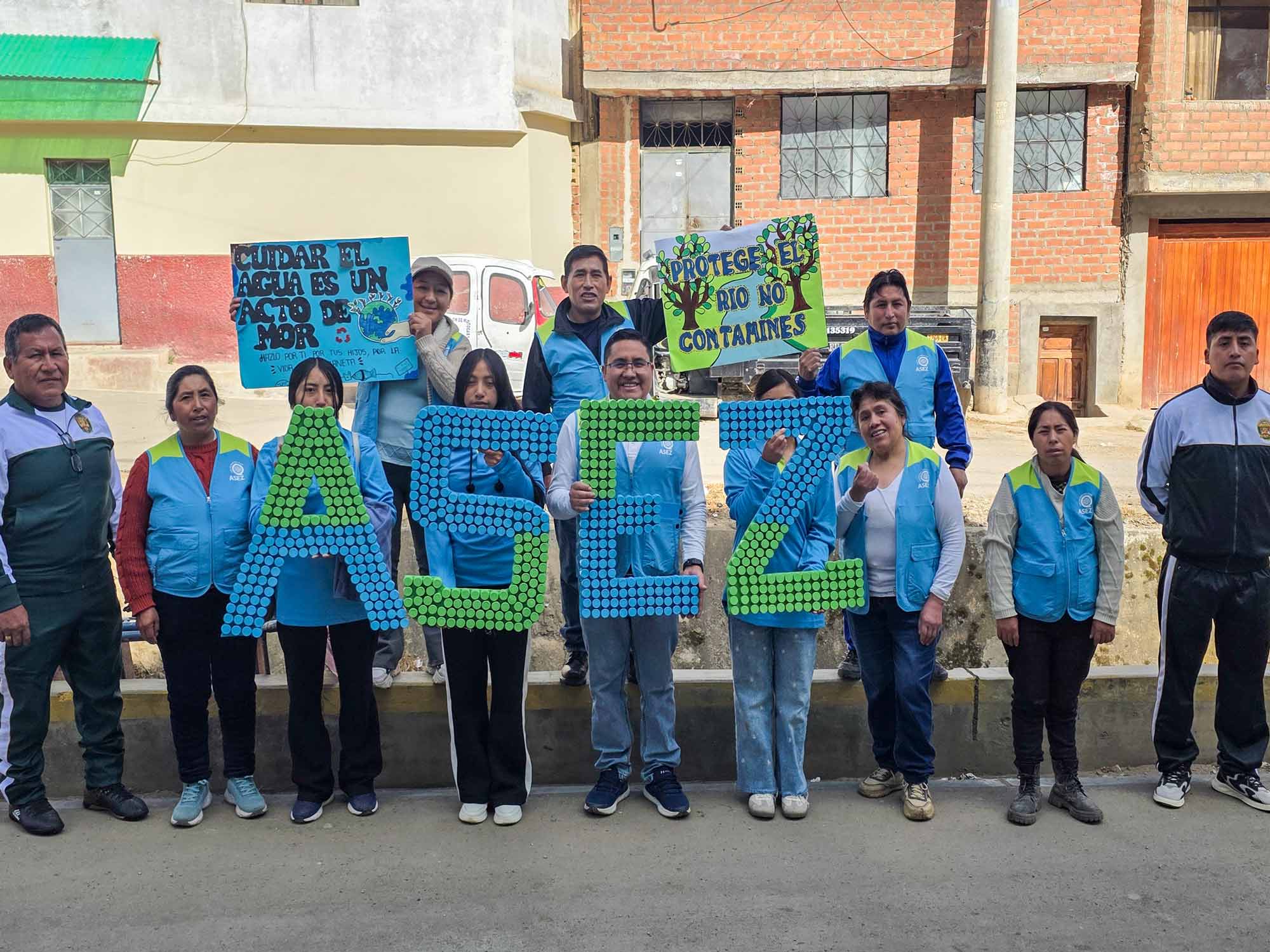
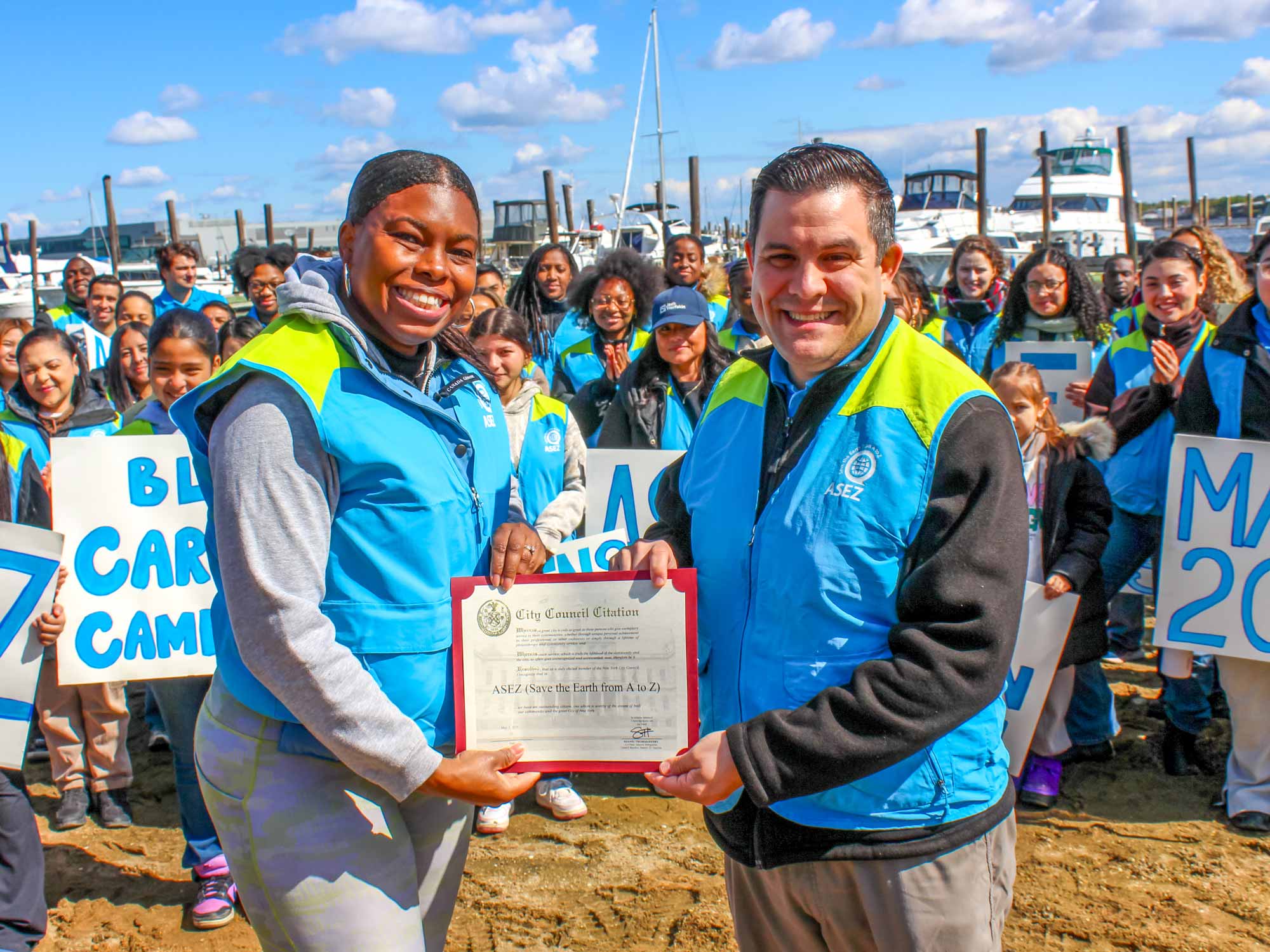
ASEZ implemented the “ASEZ Global Blue Carbon Ecosystem Protection Initiative 2026” from April 12 to June 8, 2026. This initiative originated from a critical awareness that plastic waste generated on university campuses and in urban centers can migrate through drainage systems and rivers into the ocean, subsequently impacting marine and blue carbon ecosystems. ASEZ mobilized a global movement to encourage university students to independently identify local environmental challenges and actively participate in sustainable marine conservation through cleanup activities, campaigns, data logging, and awareness raising activities.
Blue Carbon refers to the carbon absorbed and sequestered by marine and coastal ecosystems, such as tidal flats, mangrove forests, and seagrass meadows. While these ecosystems play a vital role in climate change mitigation and biodiversity conservation, they face continuous threats from plastic pollution, marine debris, and habitat degradation. Notably, plastic carelessly discarded on university campuses and in urban areas can enter the ocean via storm drains, catch basins, and waterways. Driven by this reality, ASEZ promoted the necessity of plastic pollution reduction and blue carbon ecosystem preservation under the core message: “If the pollution began on campus, it can be stopped on campus.”
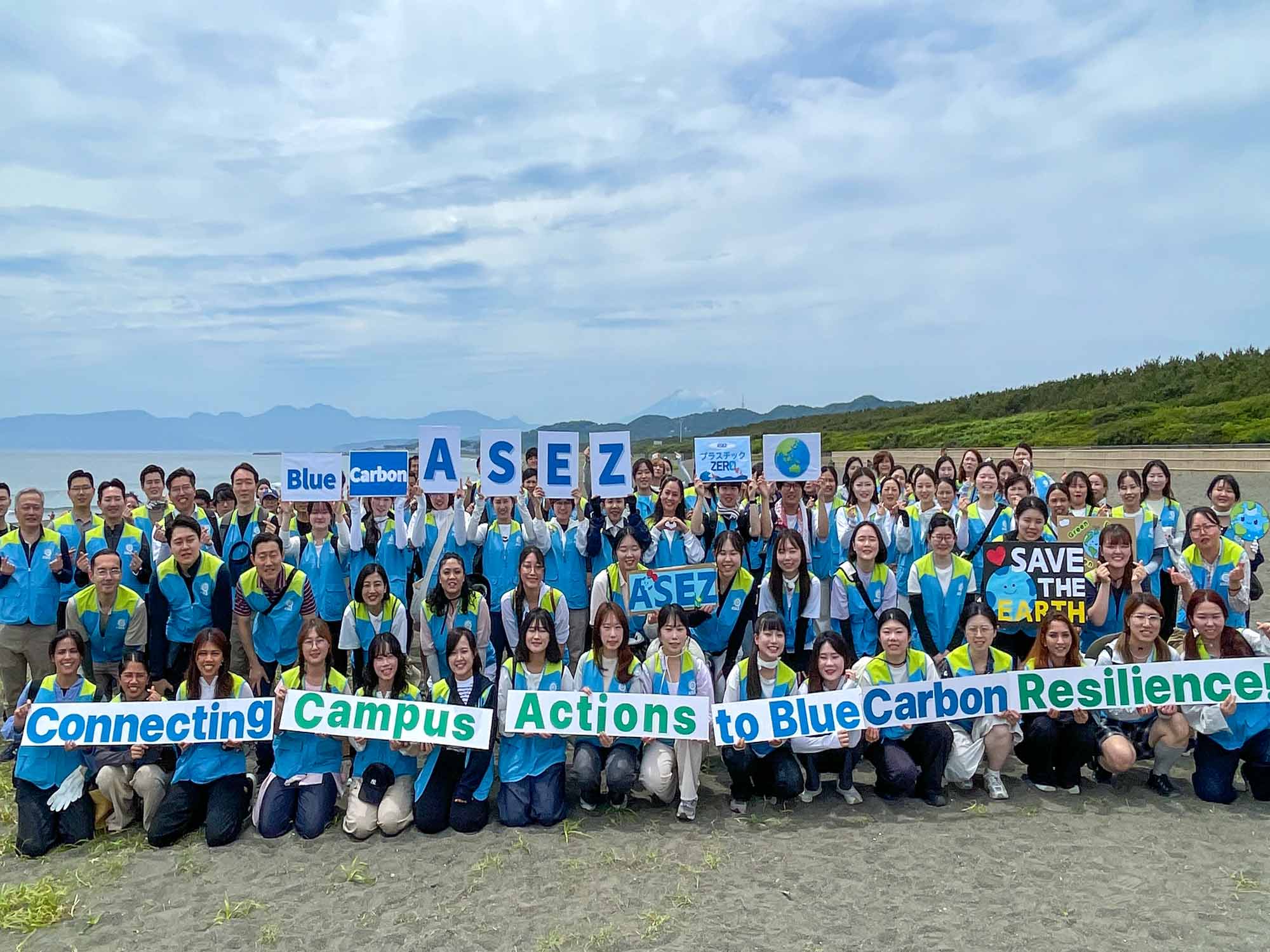
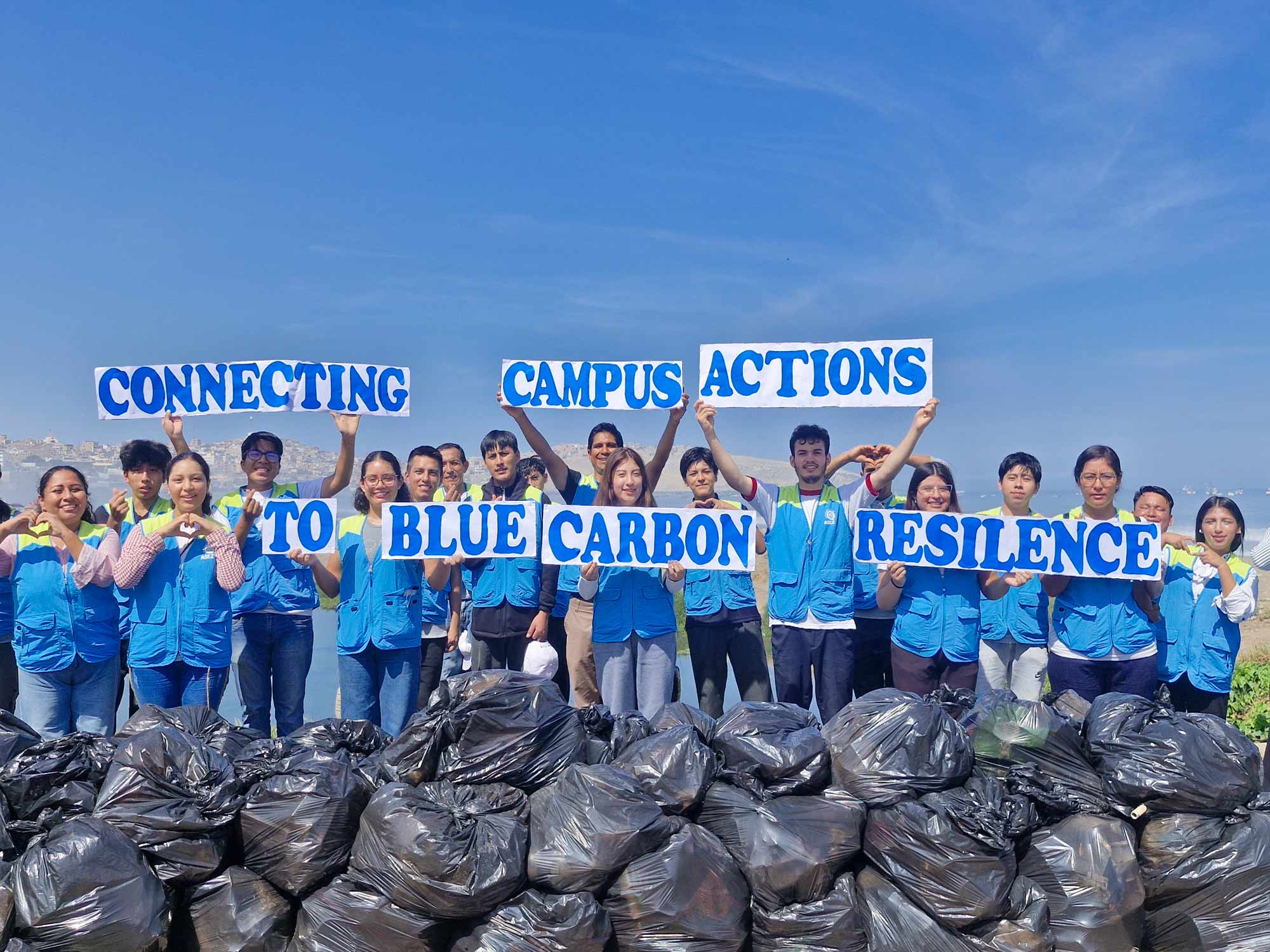
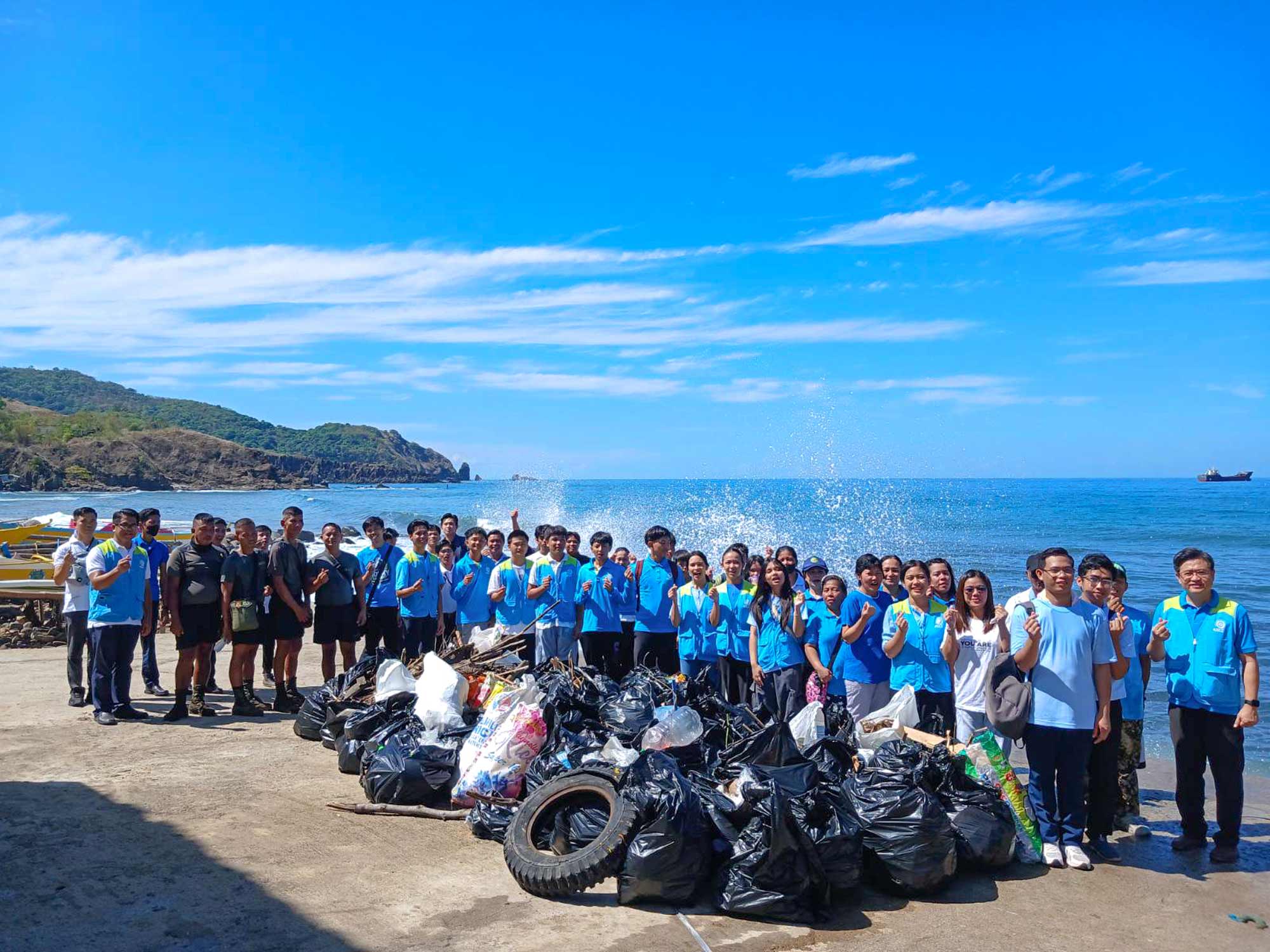
This initiative directly aligns with the United Nations Sustainable Development Goals (SDGs), particularly regarding responsible consumption and production, climate action, life below water, and partnerships for the goals. Transitioning from passive participants to active organizers and executors, university students spearheaded efforts to disseminate environmental awareness in collaboration with local communities. By concurrently executing on-site cleanups, educational campaigns, signature drives, surveys, and institutional partnerships worldwide, ASEZ demonstrated that youth-led action can substantially contribute to regional sustainability.
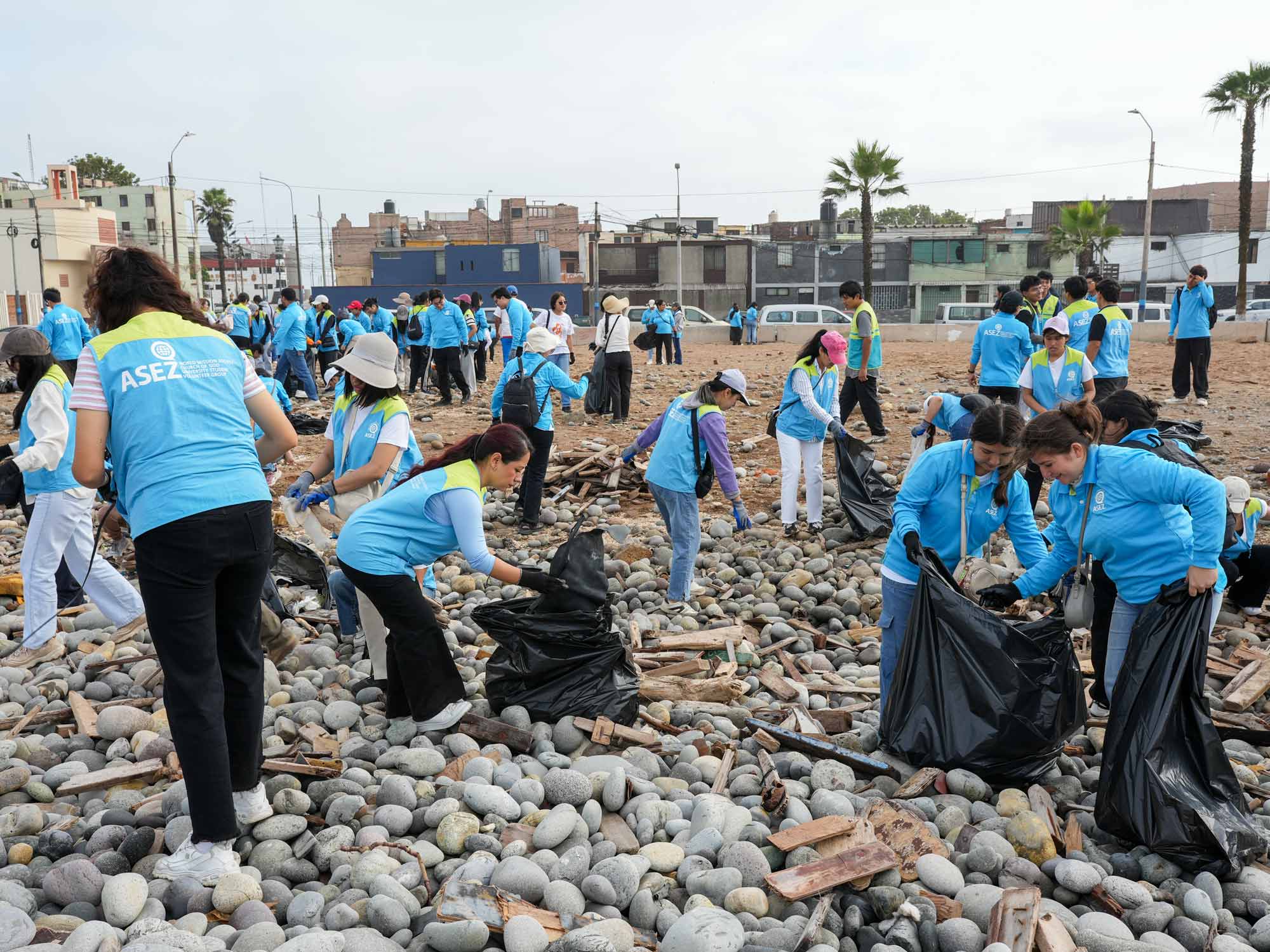
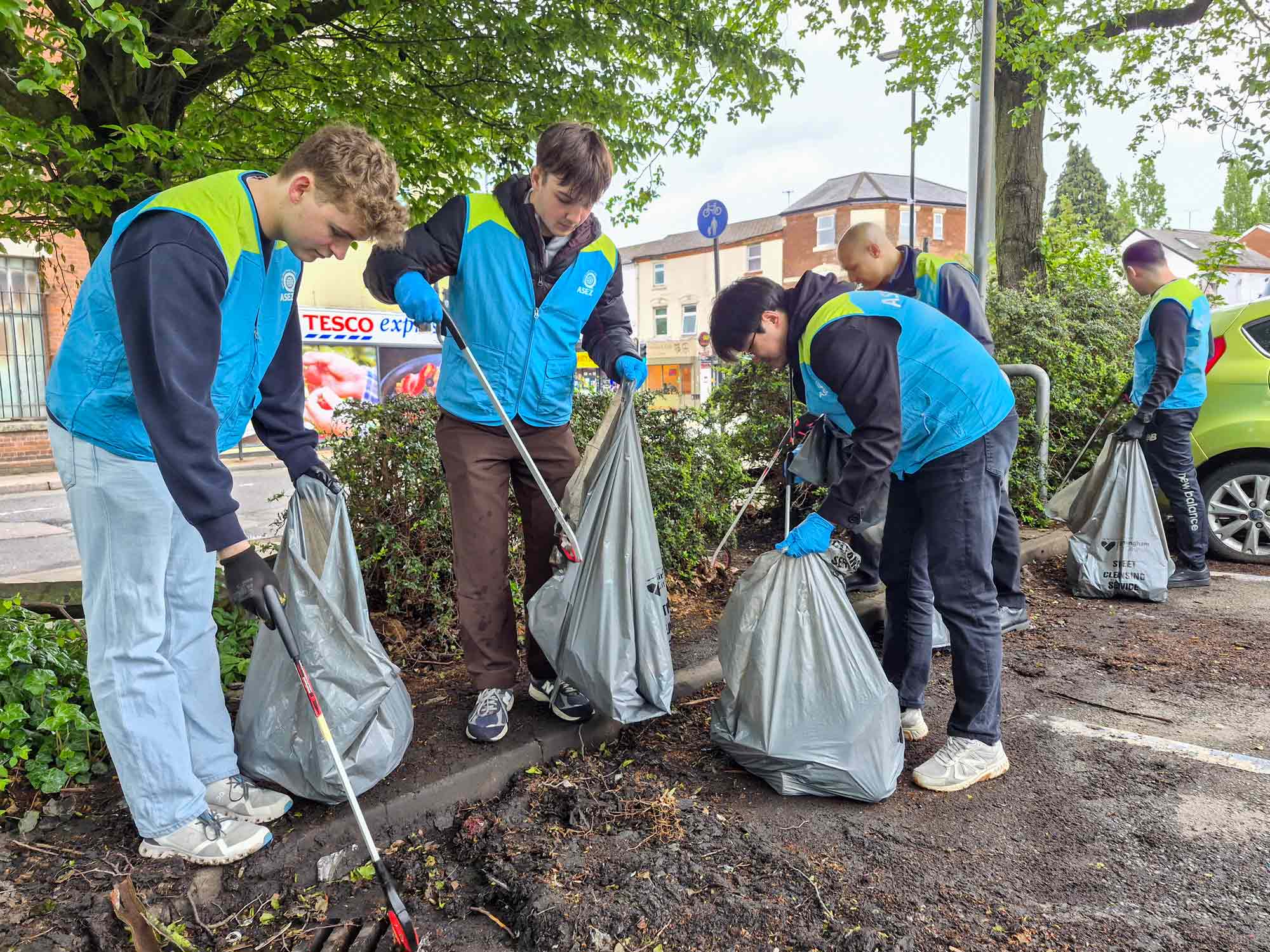
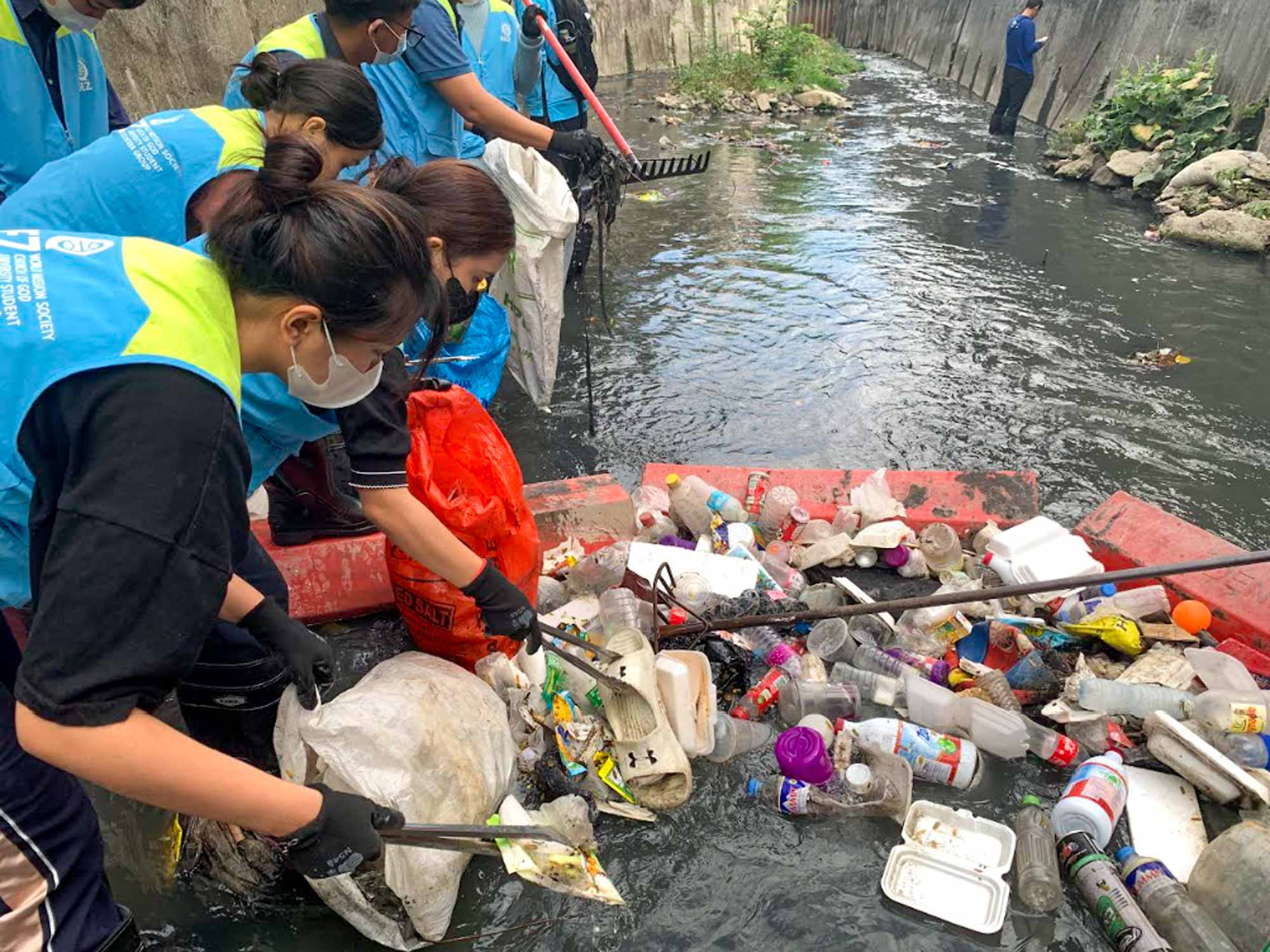
The initiative commenced with practical cleanup operations. ASEZ university students gathered plastic and municipal waste from rivers, reservoirs, and coastlines worldwide, thereby intercepting the flow of pollutants into marine environments. Cleanup sites were classified by hydrological and ecological characteristics—such as reservoirs, rivers, or coasts—and the gathered waste was systematically categorized and logged. Items recorded included PET bottles, bottle caps, disposable cups, straws, food packaging, plastic bags, styrofoam, cigarette butts, wet wipes, plastic wrapping, and fishing debris. This data will serve as a foundational baseline to quantify field activities and analyze the macro-flow of plastic pollution.
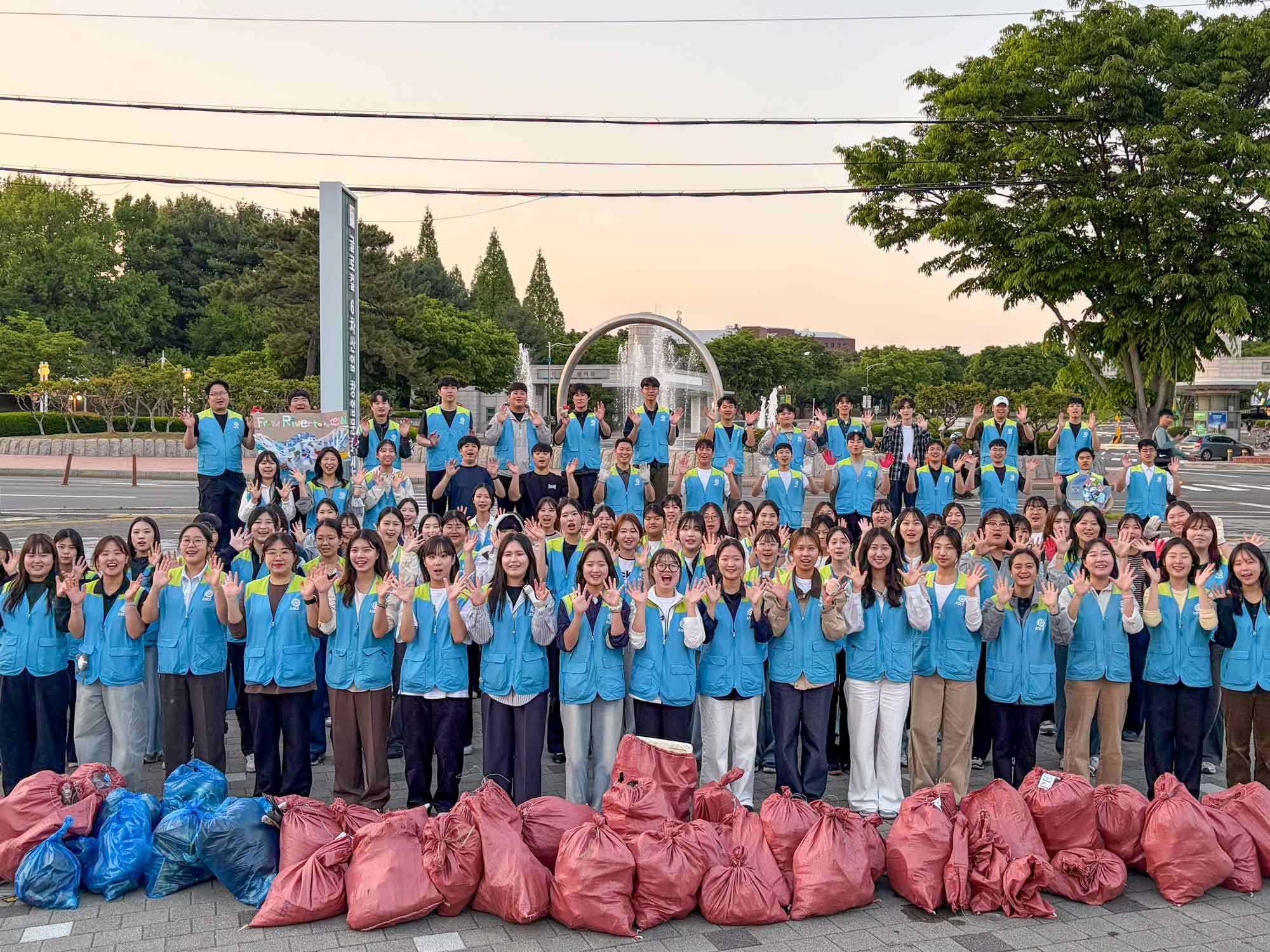
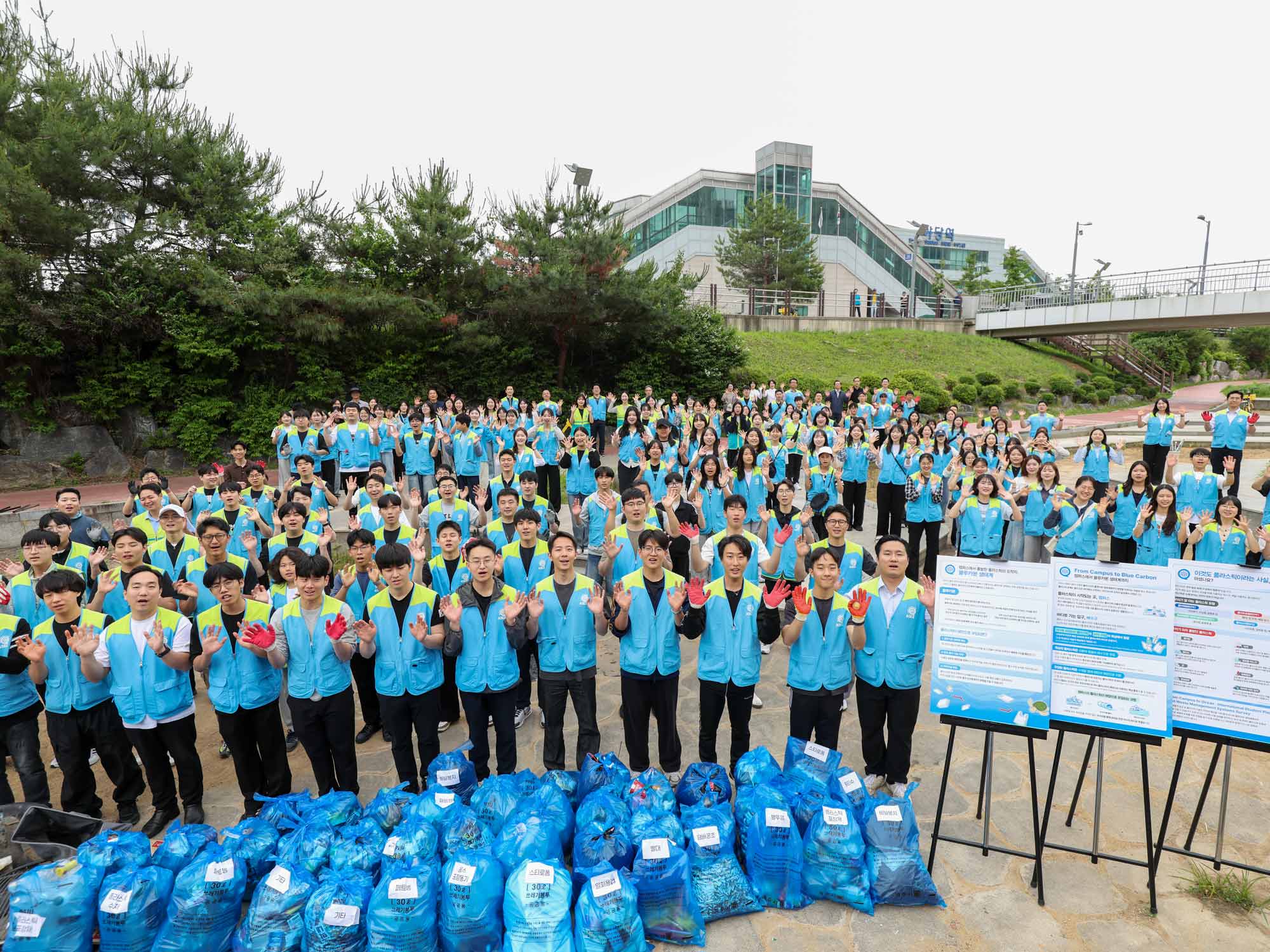
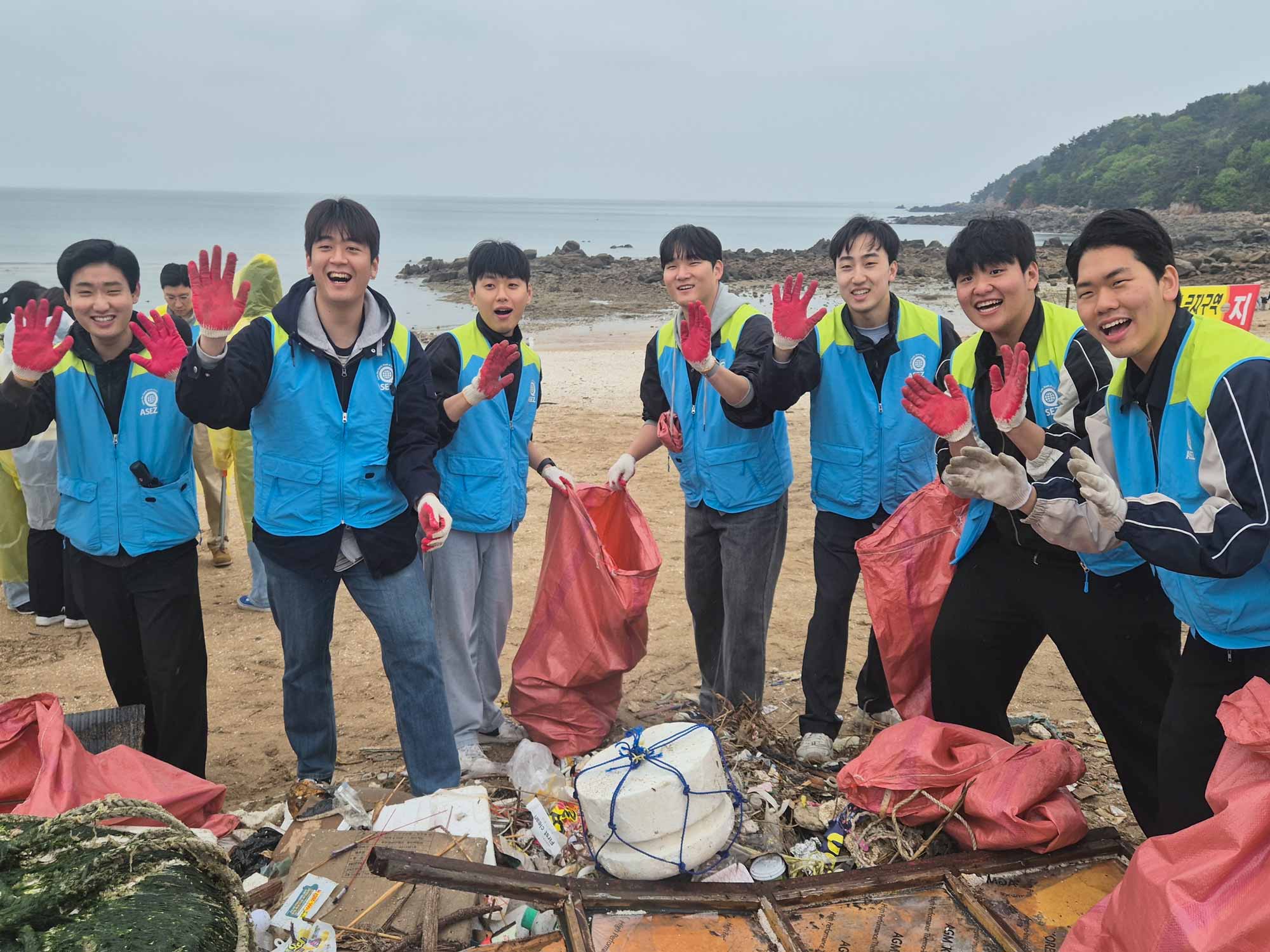
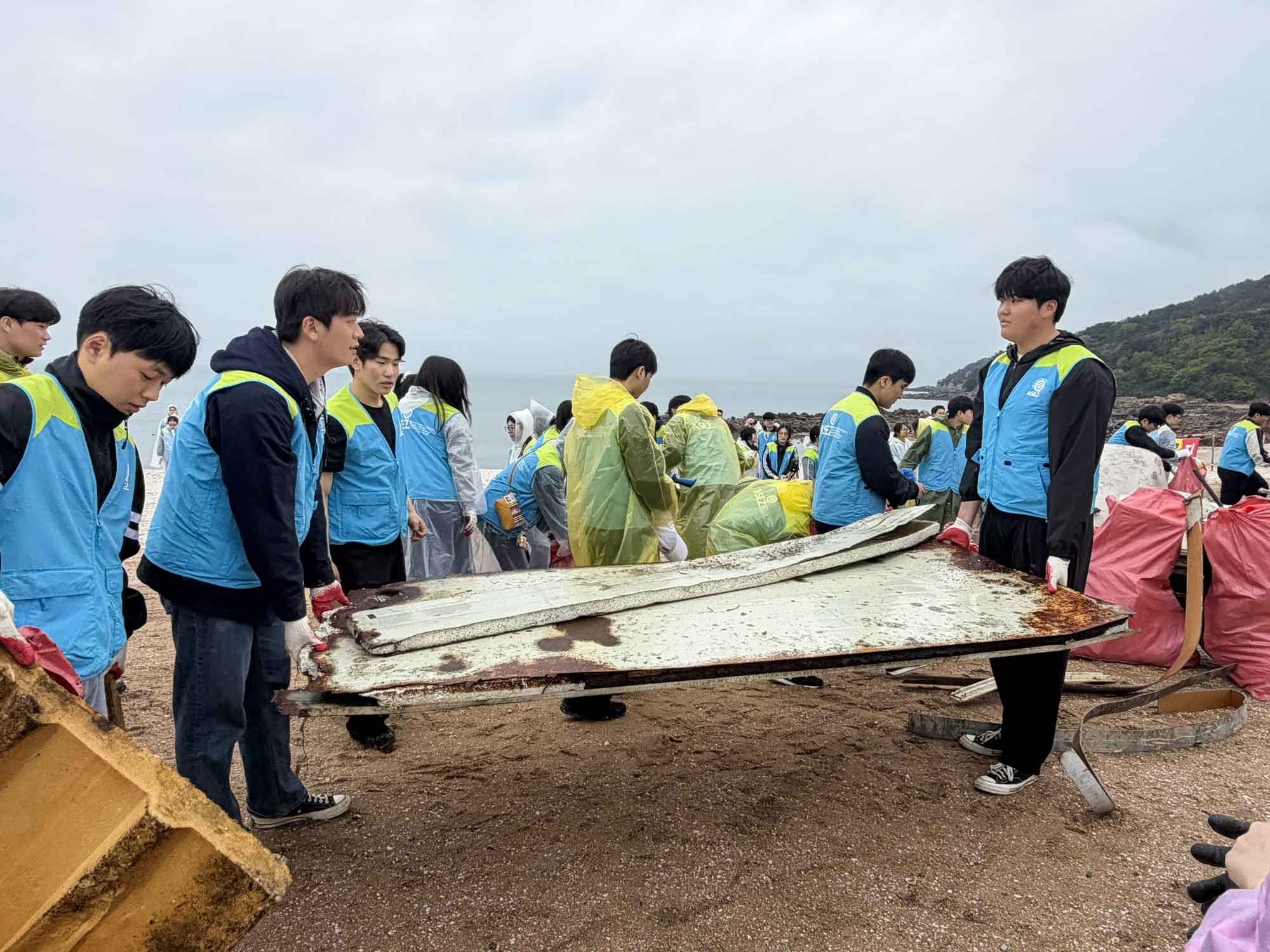
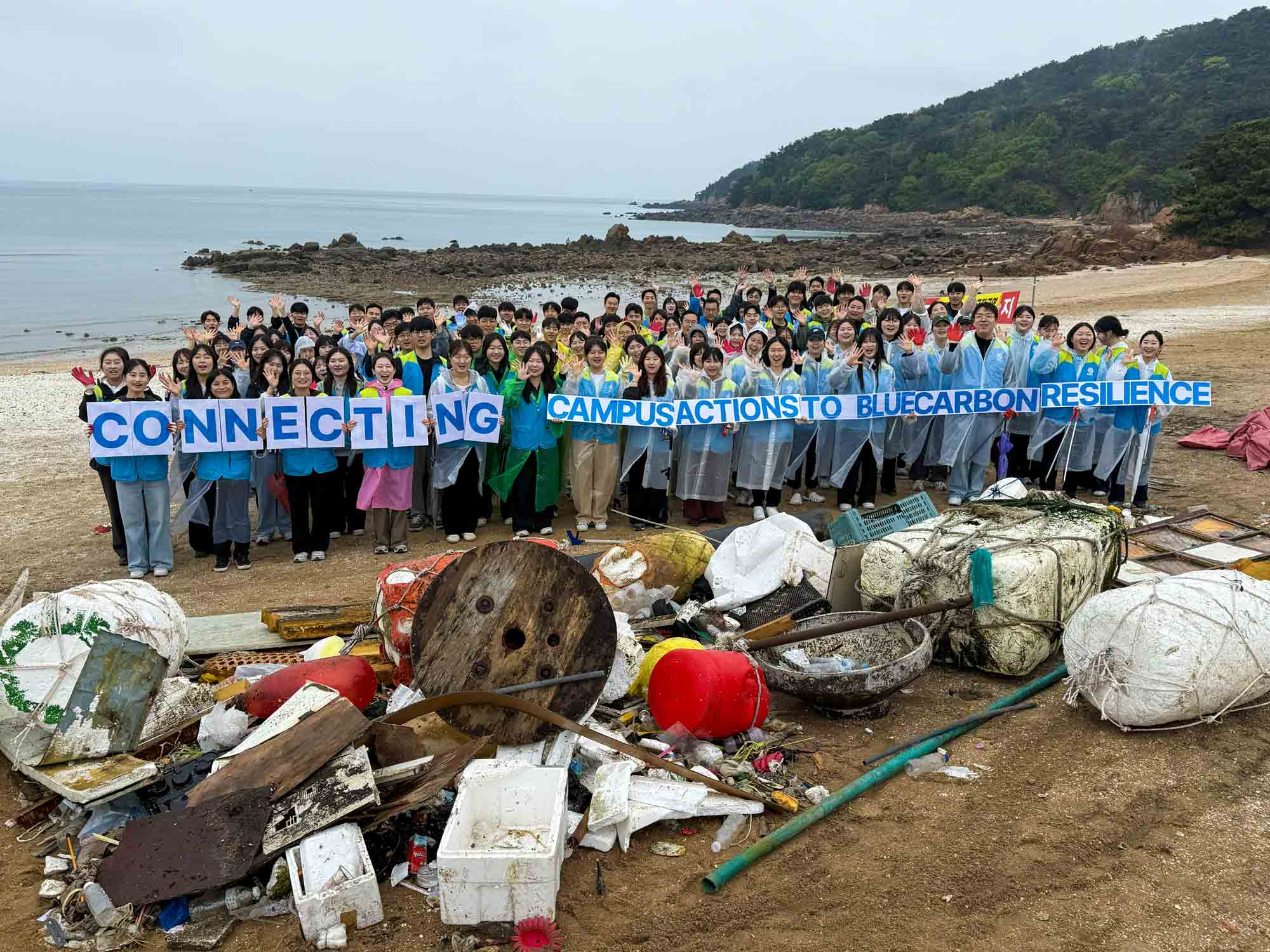
These localized efforts translated into impactful community-wide actions across various nations. In Incheon, South Korea, a total of 107 ASEZ university students from the Incheon and Bucheon chapters cleared a 1-kilometer section of Seonnyeo-bawi Beach, recovering approximately 130 kg of plastic waste and municipal litter. Despite heavy rainfall starting early in the morning, participants meticulously gathered waste across the shoreline, underscoring the severity of marine debris and the critical importance of coastal ecosystem protection.
The field operation was commended by local leaders, including Professor Lee Dae-hyung of Gyeongin National University of Education and Vice Chairman Jeong Dong-jun of the Incheon Jung-gu Council. Professor Lee remarked, “It is deeply impressive to see students gather so early in the morning for the environment, persisting through the rain. I am deeply grateful for the dedication of these university students, and I hope to see such exemplary activities continue.”
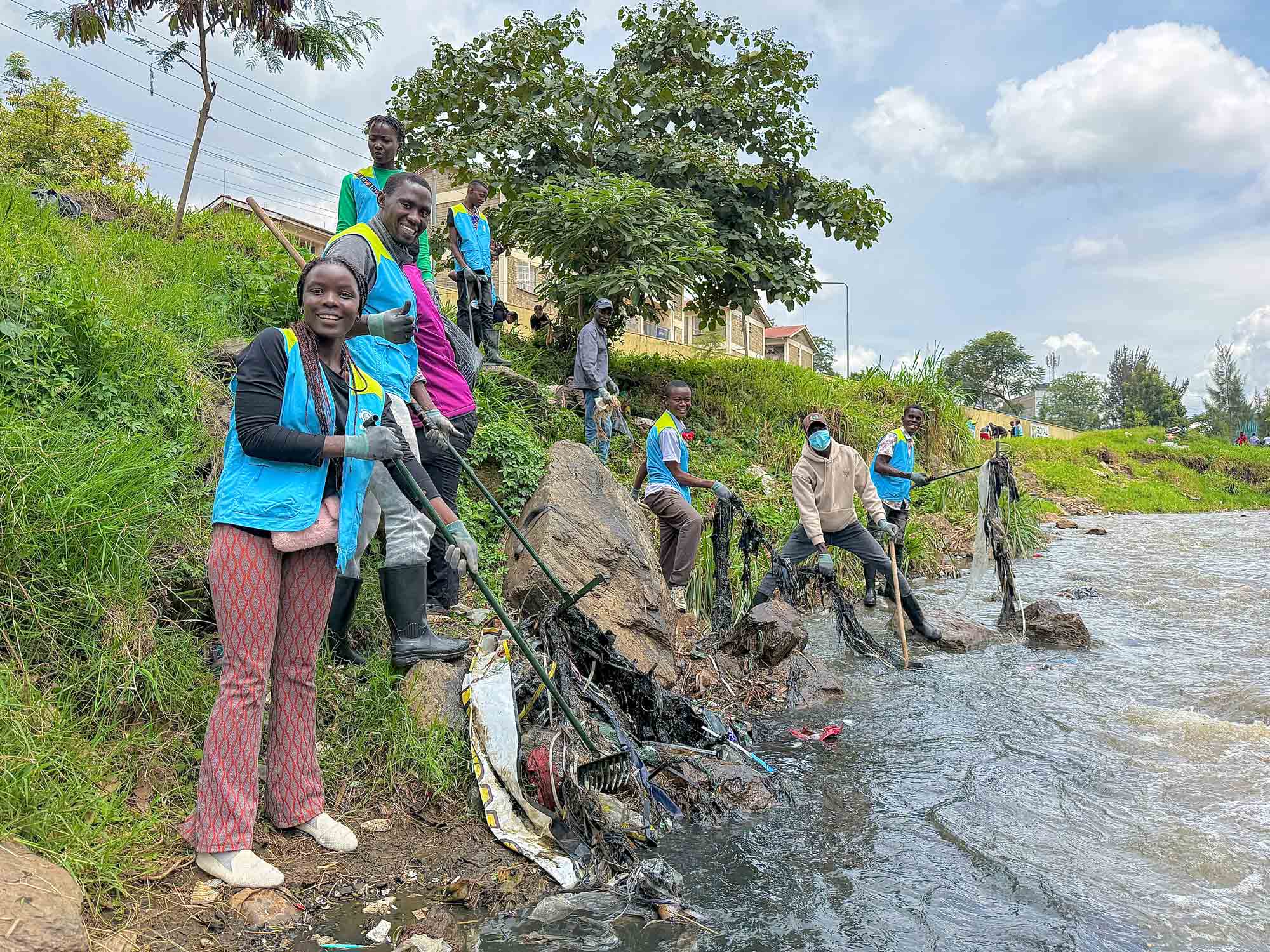
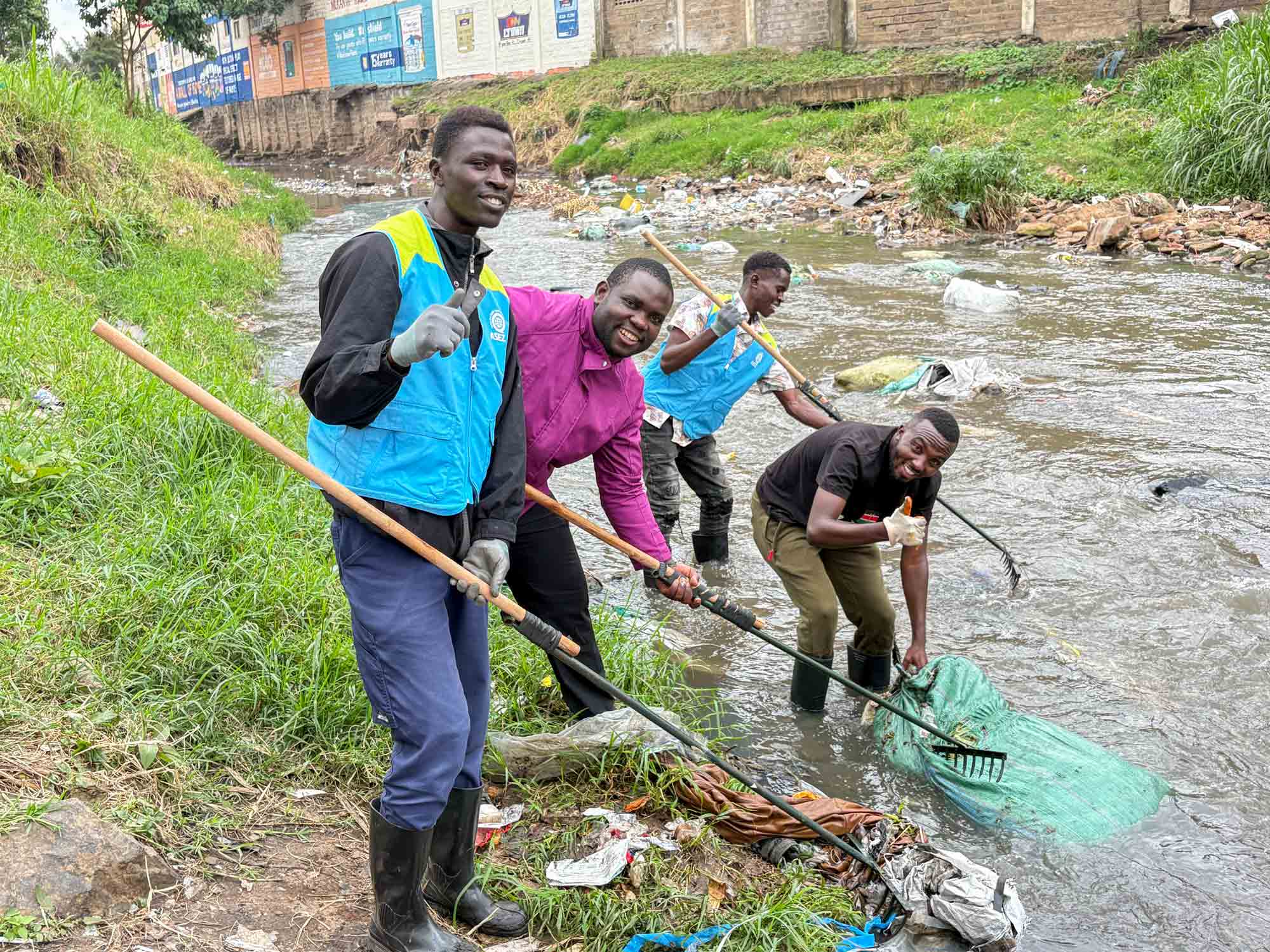
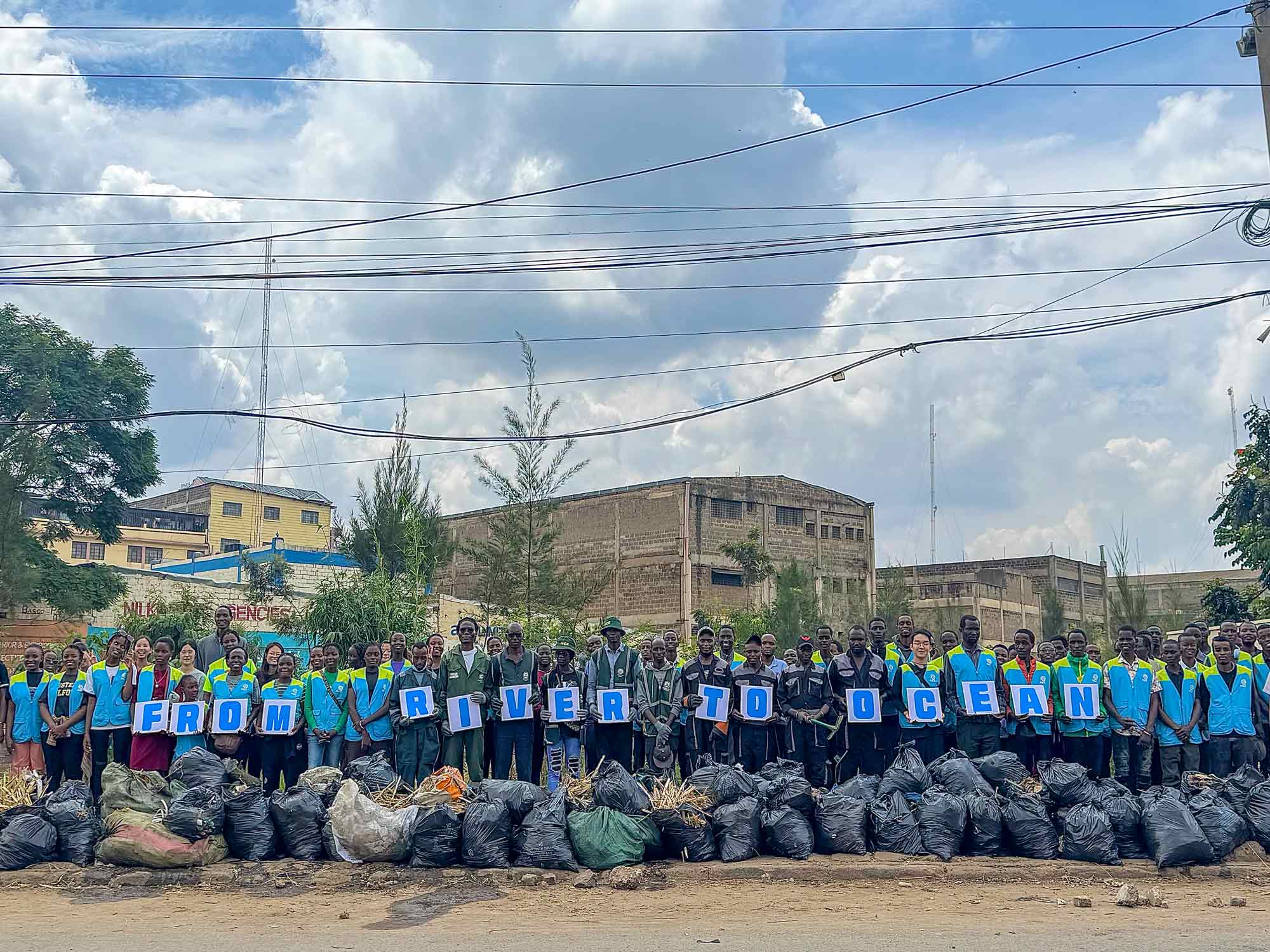
In Nairobi, Kenya, ASEZ university students executed a cleanup operation along the Nairobi River near Starehe Kamukunji. Participants collected discarded plastics and domestic refuse along the riverbanks, taking direct action to sever the terrestrial pathway of waste into marine environments. River cleanup is highly significant as it simultaneously improves local sanitation and mitigates the wider proliferation of plastic pollution.
Evance Ochieng, Environment Officer for Kariokor Ward, Nairobi City County, participated in the event and said, “Environmental conservation is a shared responsibility. The dedication shown by ASEZ volunteers today reflects the kind of community participation needed to restore and protect the Nairobi River. By preventing waste from entering our waterways, we not only improve public health and sanitation but also contribute to broader efforts to address climate change. We commend ASEZ for their commitment and look forward to continued collaboration in building a cleaner and greener Nairobi.”
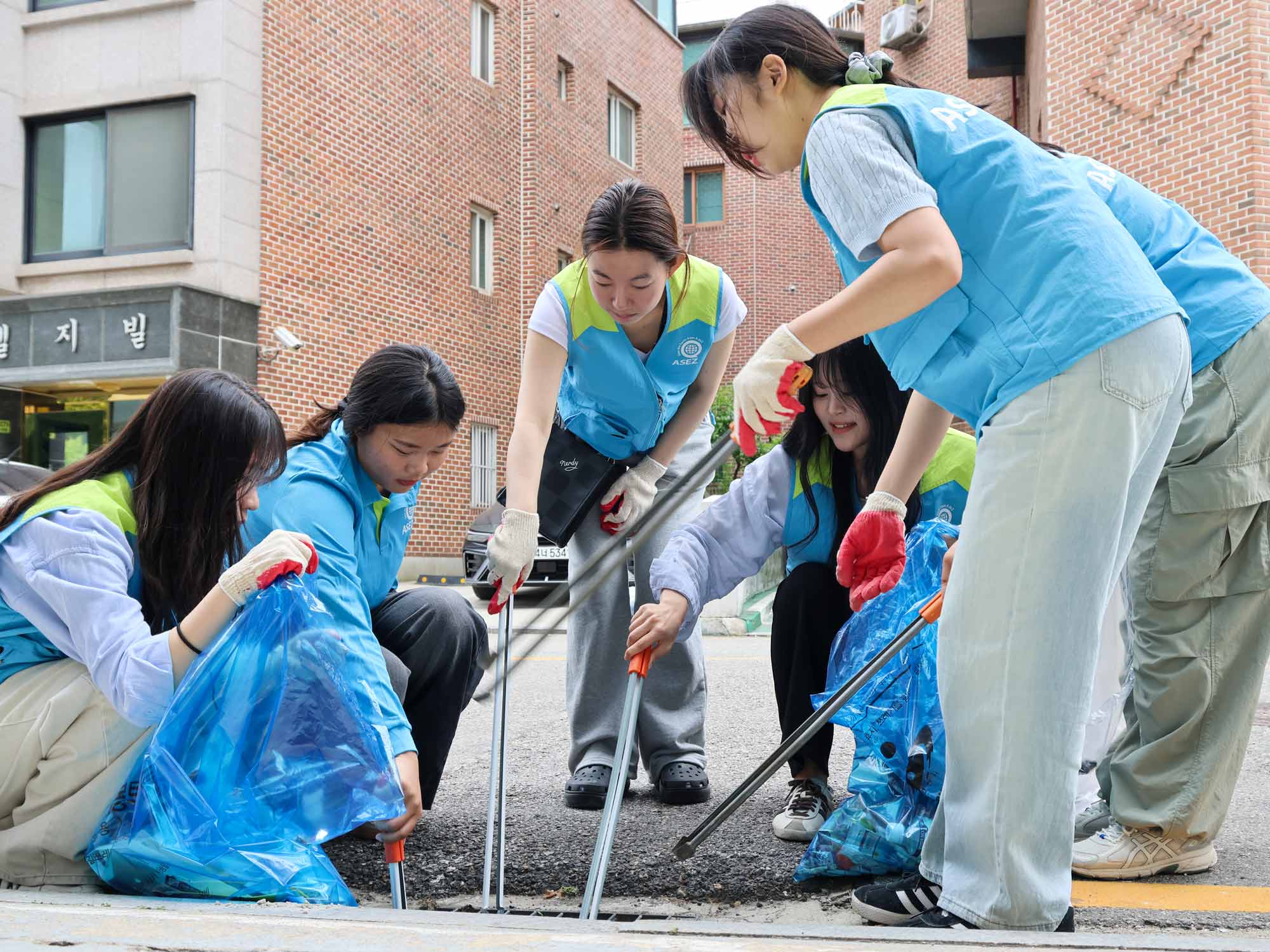
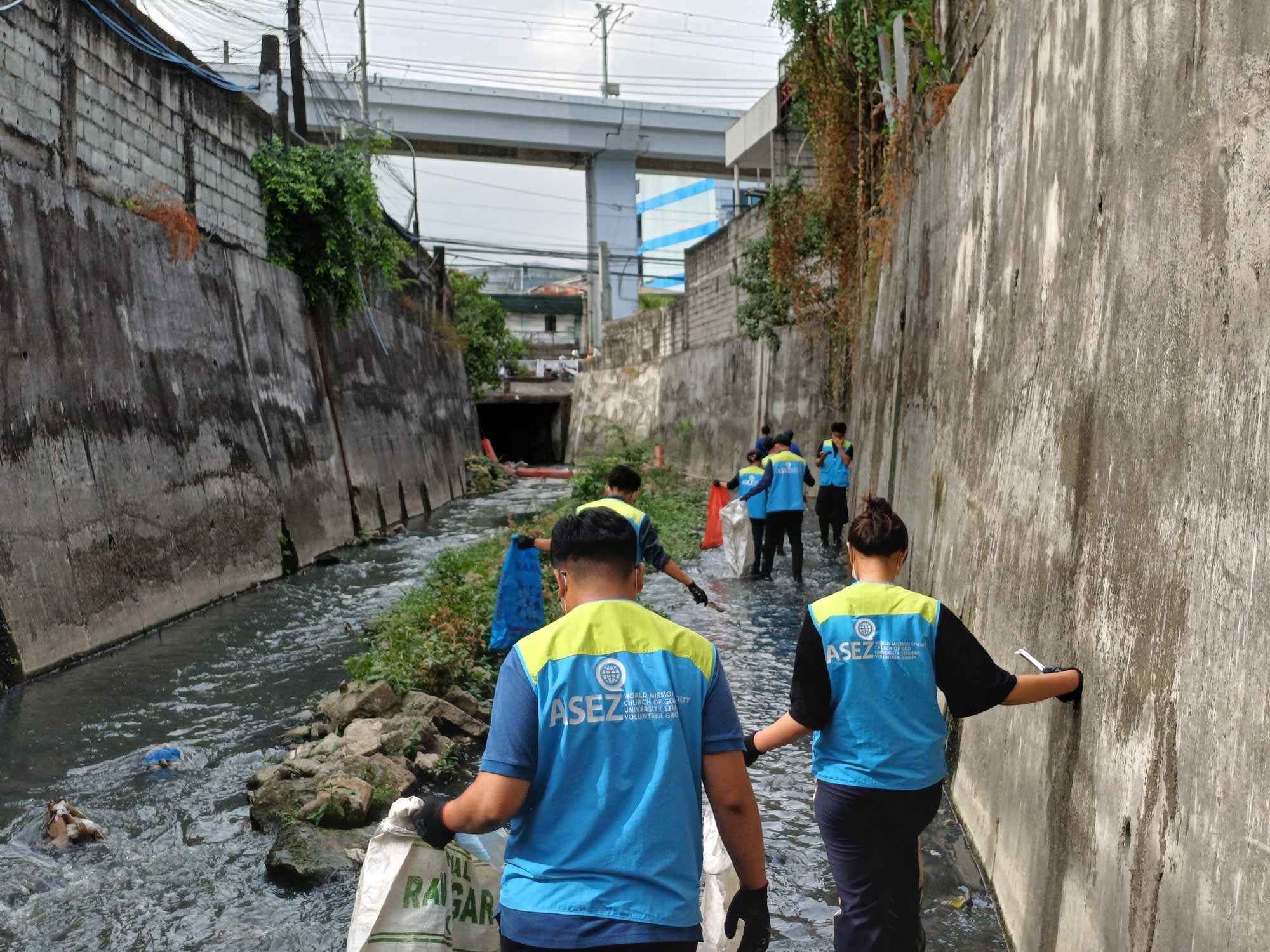
In Quezon City, Philippines, a cohort of 40 participants, including ASEZ university students and local Barangay officials, conducted a drainage and waterway cleanup near World Citi Colleges (WCC). The team extracted a total of 105 kg of waste—including 60 kg of plastic debris—thereby improving local drainage flow. Concurrently, a signature campaign targeting local residents was conducted alongside panel presentations for WCC students, thereby enabling both the university and the local community to mutually understand the necessity of blue carbon ecosystem protection and translate that awareness into tangible action.
Through these hands-on operations, participating students directly witnessed the environmental consequences of daily plastic consumption and improper disposal habits. One participant noted that even seemingly clean beaches harbored hidden debris, illustrating how small, everyday plastics persist in nature over long periods. Another participant reflected on the visible transformation of the riverbank post-cleanup, noting how localized action can serve as a catalyst for environmental remediation and societal mindset shifts.
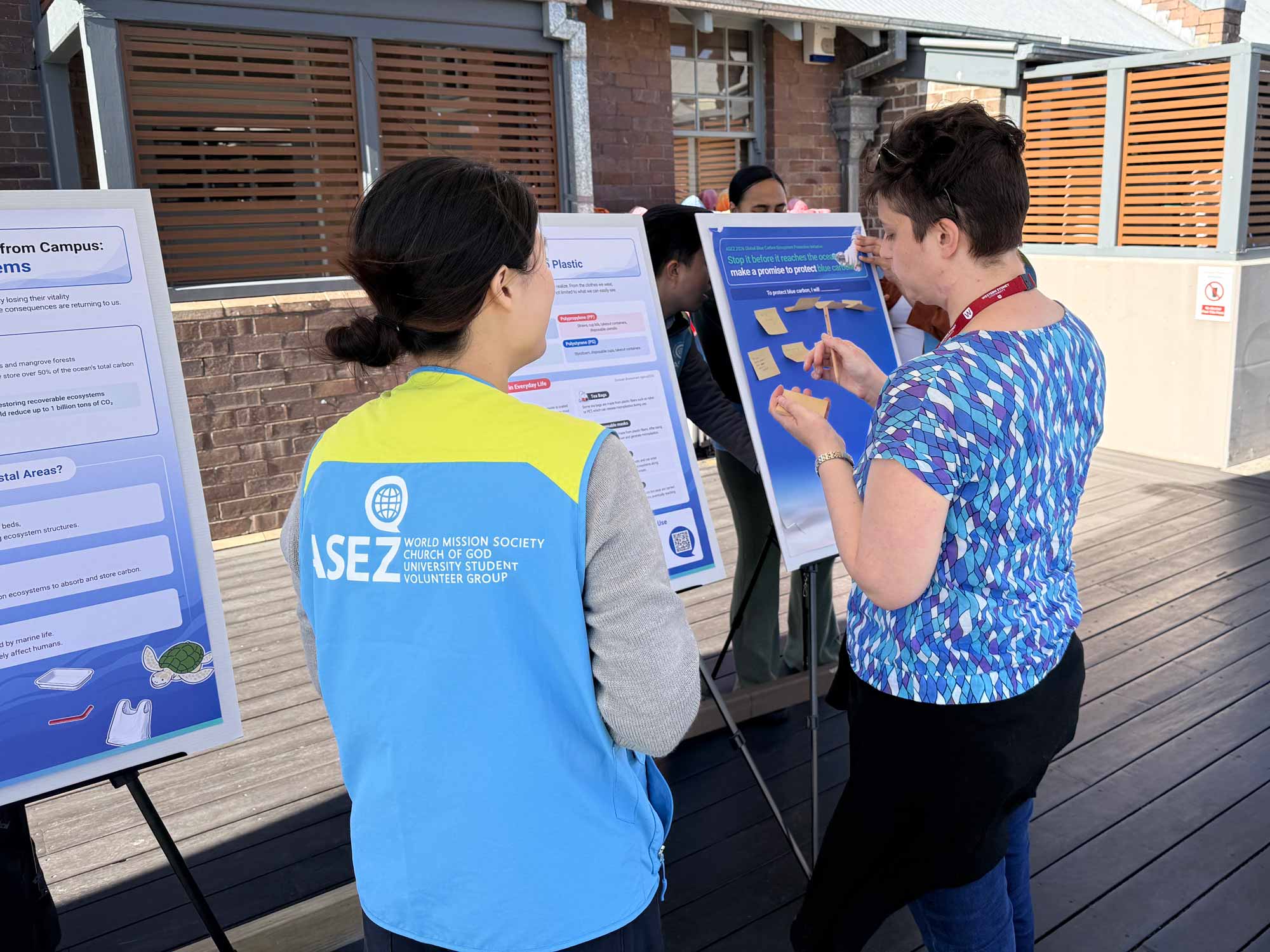
Following the cleanup operations, ASEZ conducted blue carbon ecosystem protection campaigns at each respective site. Utilizing instructional panels, the university students illustrated the pathways through which plastic waste generated on campuses and in urban centers migrates via drainage systems and rivers into the ocean, thereby highlighting the ecological ramifications of micro-level daily waste on marine ecosystems. Furthermore, they demonstrated how blue carbon sinks—such as mangrove forests, seagrass meadows, and tidal flats—mitigate climate change by sequestering and storing carbon, ultimately reinforcing the message that mitigating plastic pollution is intrinsically linked to the preservation of marine environments.
Concurrently, a survey titled “University Students’ Plastic Consumption and Waste Management Systems” was administered at the campaign sites utilizing QR codes. The survey was designed to assess the current state of plastic consumption and the perception of waste management among university students, with the ultimate goal of identifying more effective plastic reduction strategies and future directions for blue carbon ecosystem conservation. By participating in the survey, respondents were provided an opportunity to reflect on the ecological implications of their personal consumption and disposal habits on rivers, oceans, and broader marine ecosystems.
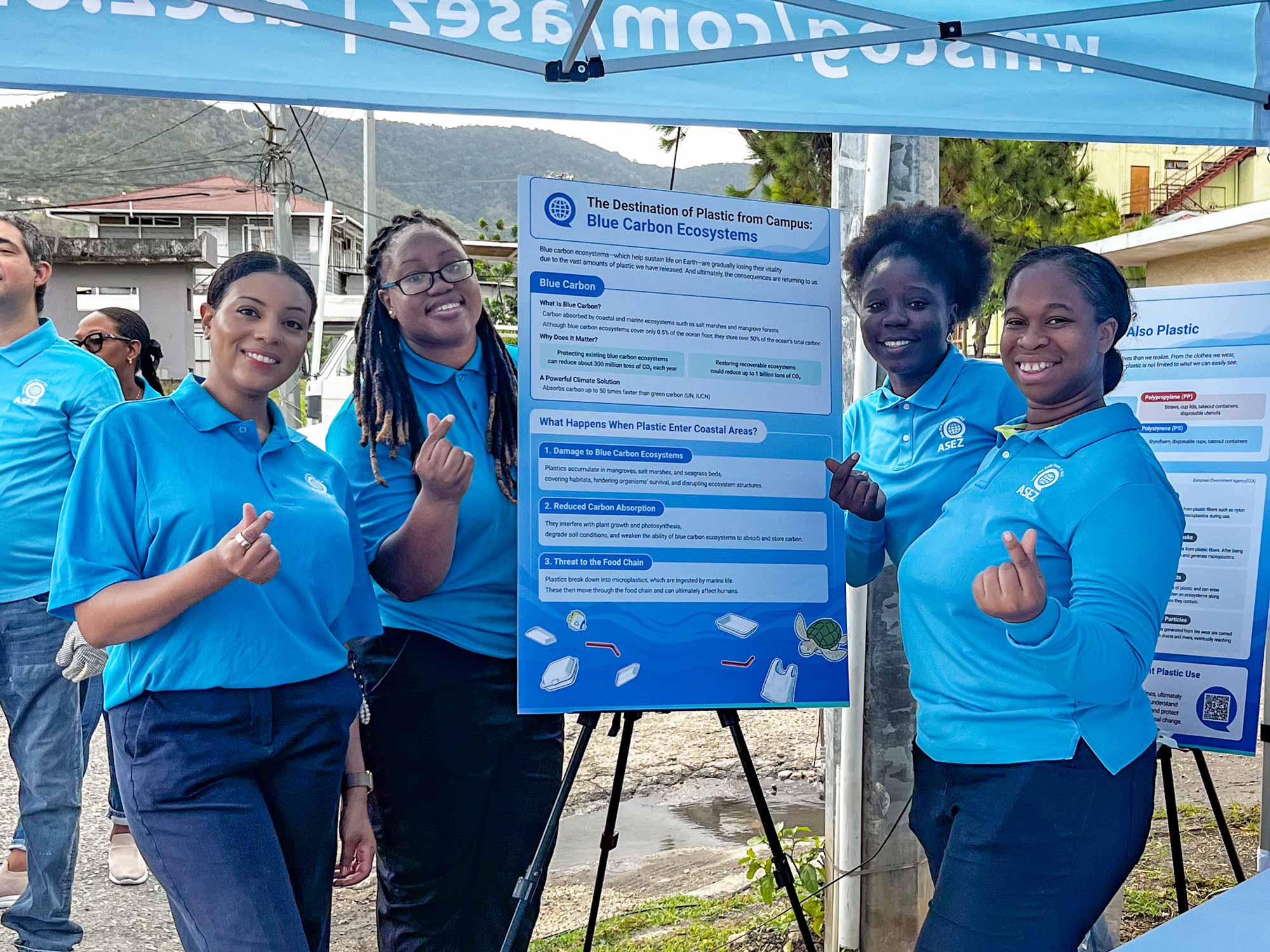
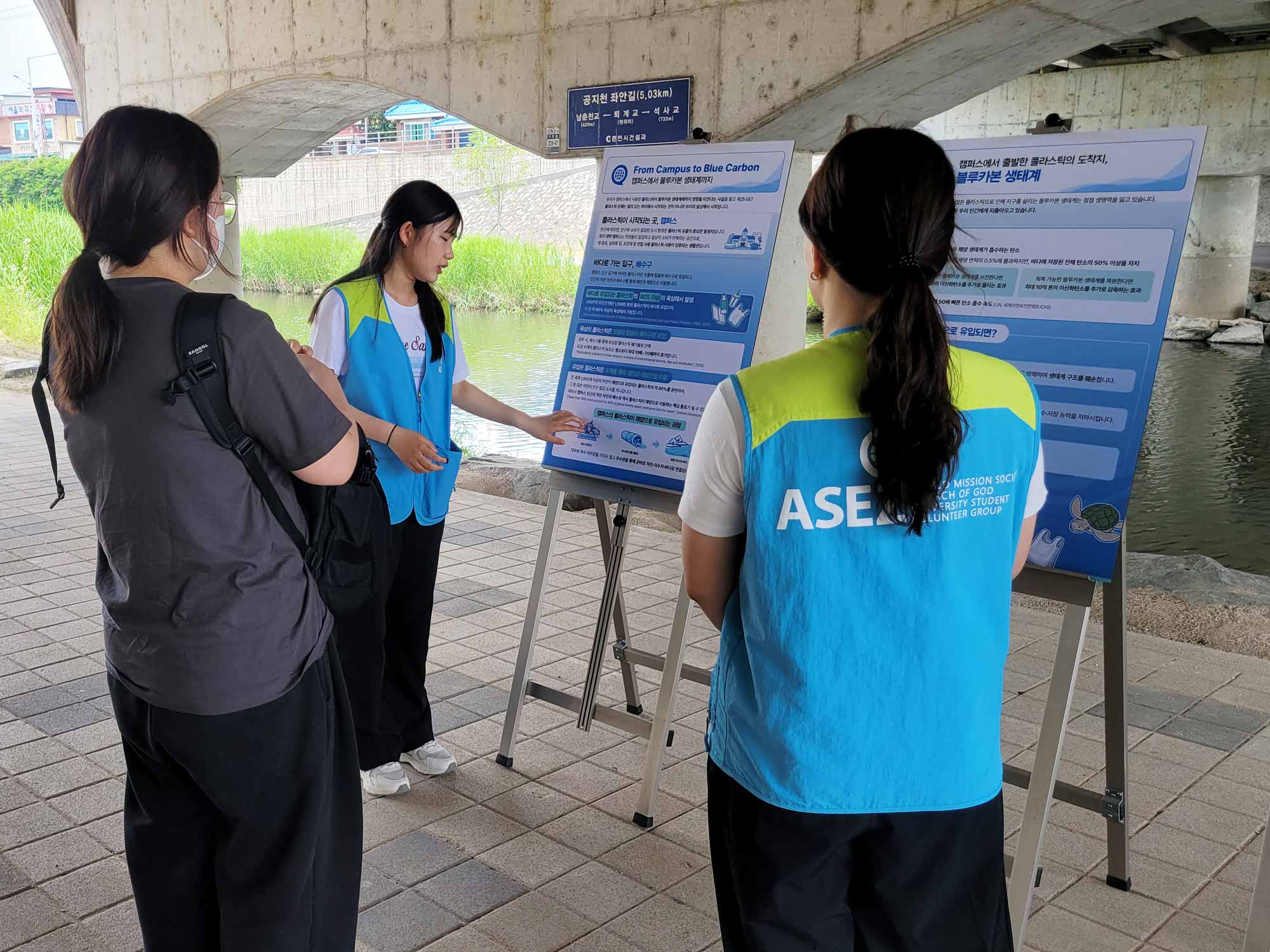
In tandem with field operations, this initiative implemented rigorous metrics management designed to quantify results and establish a foundational framework for future collaboration and expansion. ASEZ plans to aggregate country-specific data—including the number of participating students per activity, the count of collaborating and relevant institutions, total volume of waste collected, attendance at educational campaigns, signatures obtained, the scale of beneficiaries, and subsequent cooperation status such as Memorandums of Understanding (MOUs)—for future analytical application. These quantitative indicators will serve to objectively evaluate performance, diagnose regional environmental challenges, and formulate strategic directions for subsequent action.
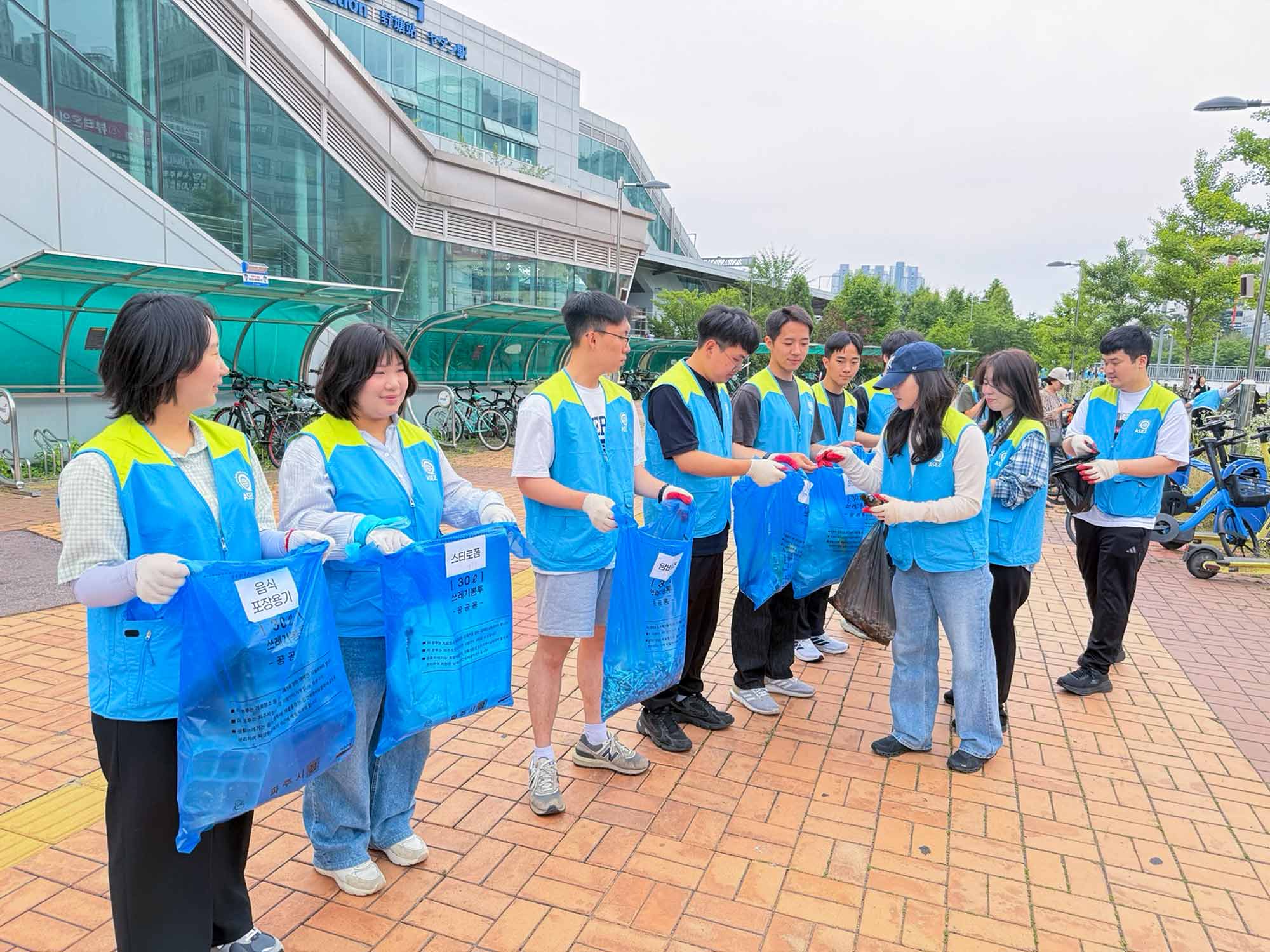
Based on the global cleanup activity data and survey results collected through this initiative, ASEZ plans to create the “ABC Map” (ASEZ Blue Carbon Map). The ABC Map will visualize activity locations, types of water systems and ecosystems, and the categories of plastic waste collected. It is intended to serve as a resource that allows viewers to see, at a glance, the flow of plastic pollution and the achievements of blue carbon ecosystem protection activities. Through this effort, ASEZ aims to go beyond simply recording the results of on-site activities and expand them into resources for education, campaigns, policy cooperation, and international solidarity.
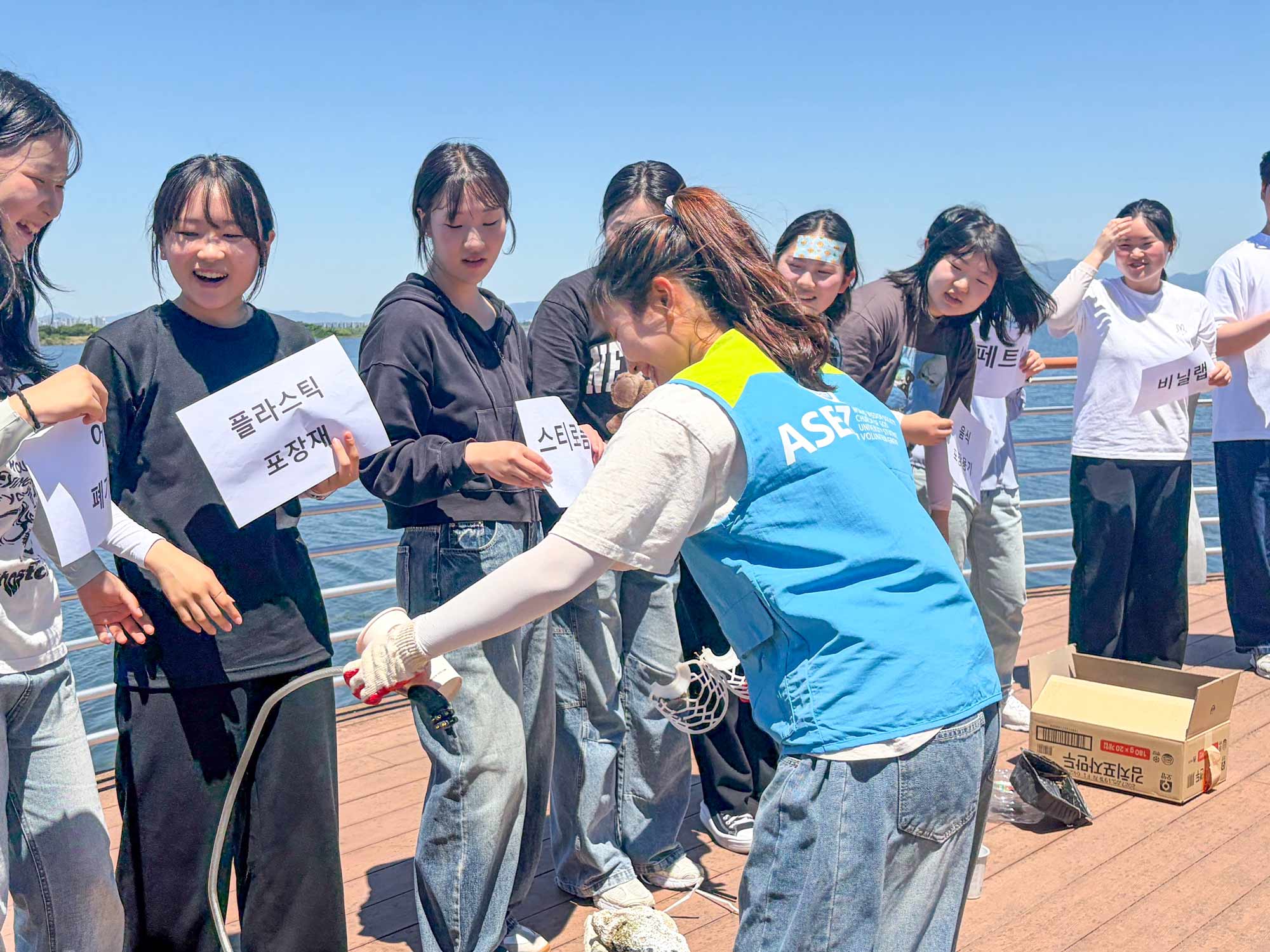
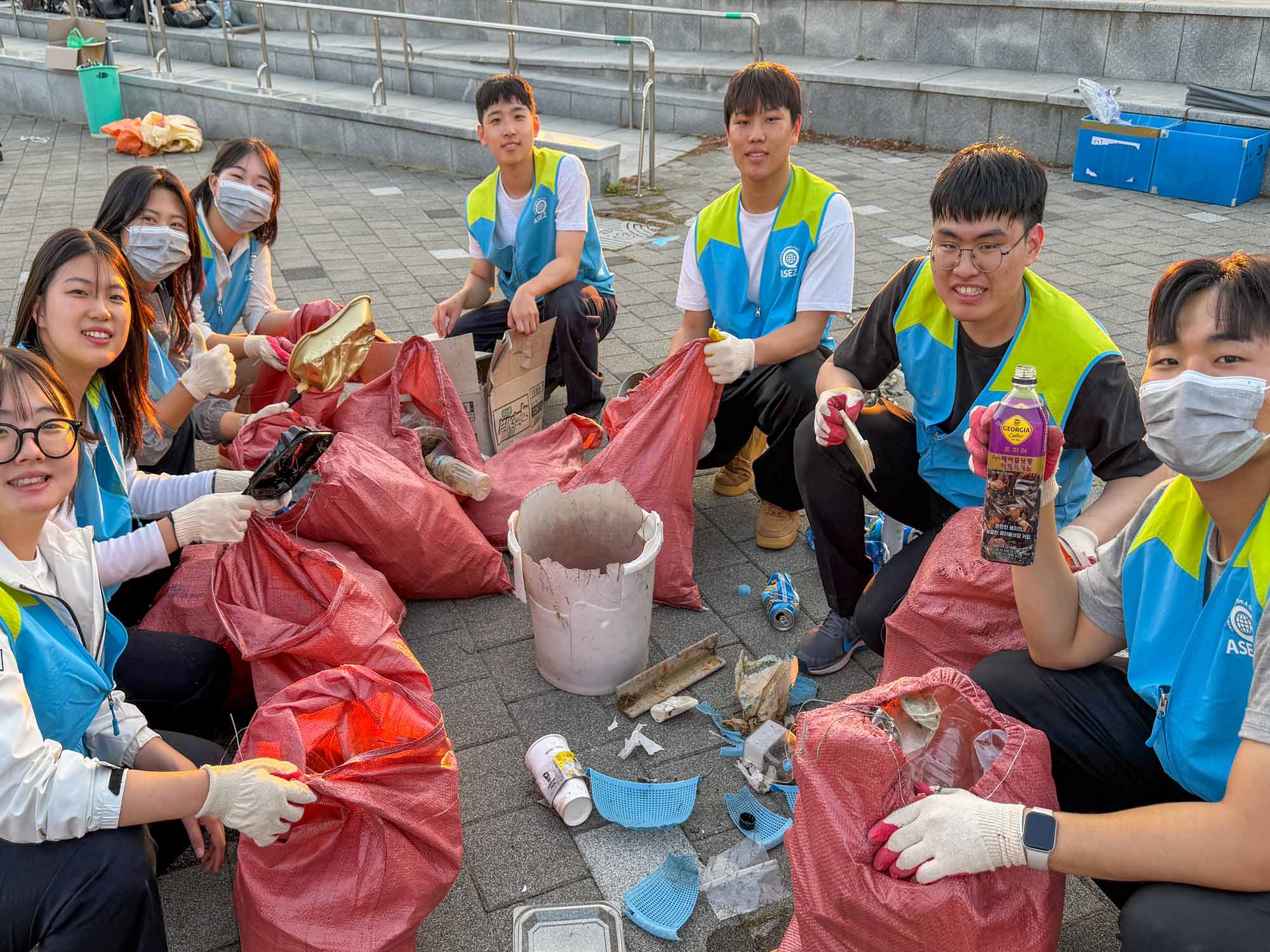
Plastic pollution is not limited to visible waste. Plastic components are also found in many everyday items, including paper cups, tea bags, wet wipes, disposable masks, chewing gum, cigarette butts, synthetic fibers, and tire wear particles. Small pieces of waste that are carelessly discarded can travel through drains and rivers, eventually affecting the ocean, marine ecosystems, and even human life.
This initiative demonstrated that university campuses can be a starting point of plastic pollution, but they can also become hubs for practical action where change begins. Inland drains and rivers, coasts, and oceans are not separate spaces; they are connected as part of one continuous flow. Therefore, even small actions that begin on campus can lead to the protection of marine ecosystems, responses to climate change, and the creation of sustainable local communities.
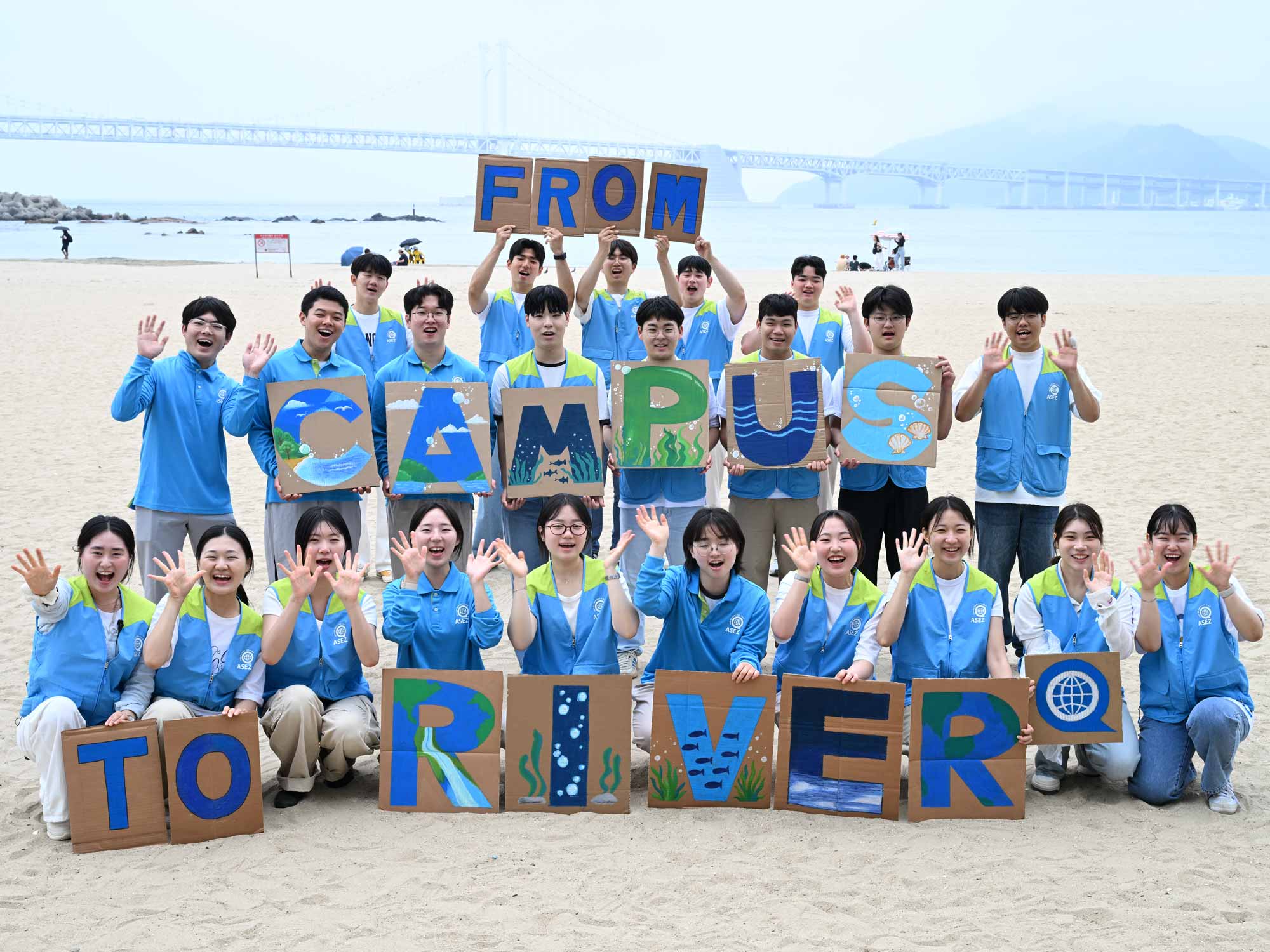
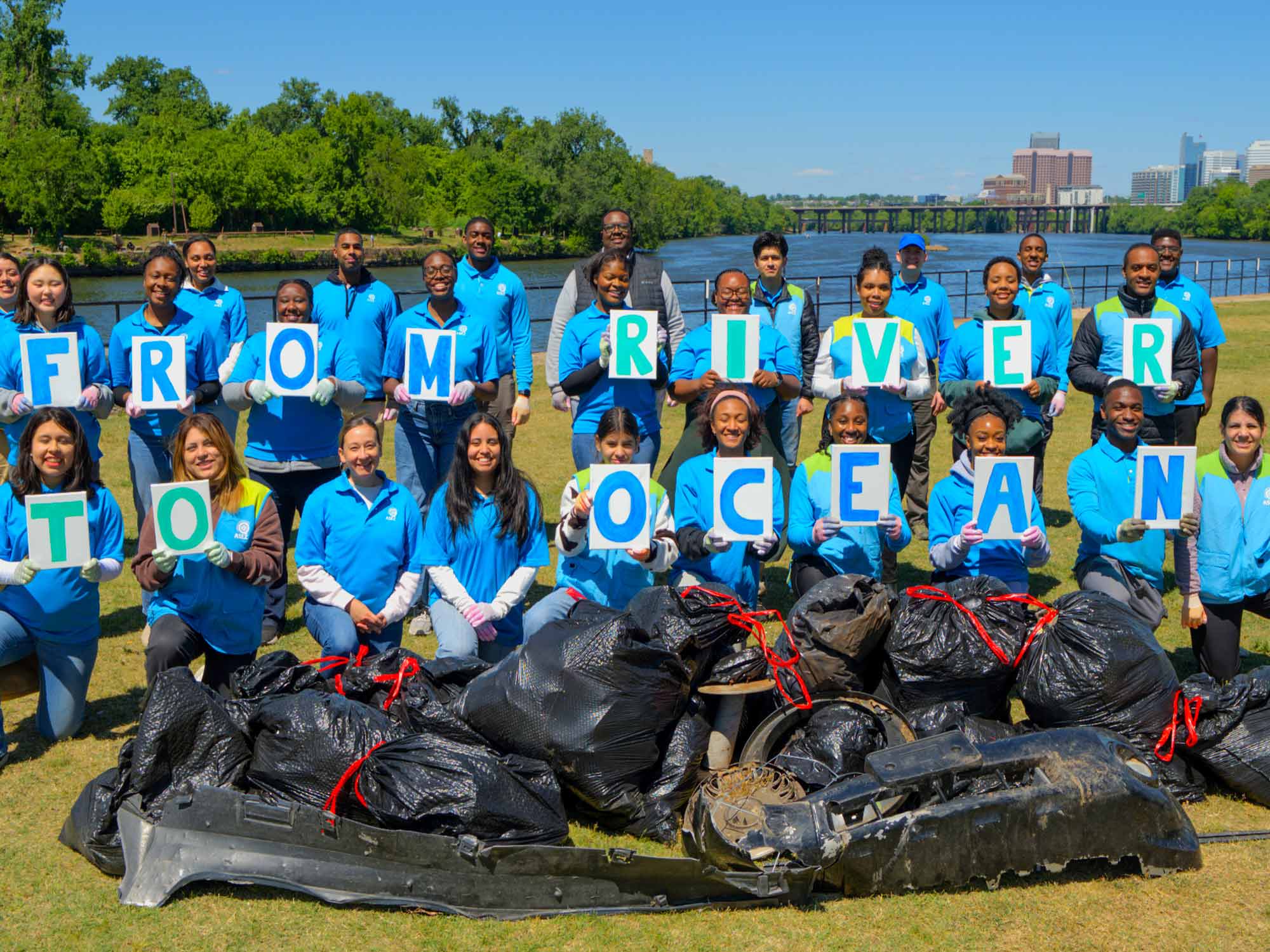
ASEZ plans to continue working with university students around the world to protect blue carbon ecosystems, reduce plastic pollution, and create a sustainable marine environment. In particular, ASEZ will expand cooperation with universities, local governments, communities, international organizations, and related institutions so that youth-led environmental action can grow beyond local practice into international solidarity and sustainable change. ASEZ will also continue to promote cooperation and global expansion so that actions begun on campus can lead to collective efforts to protect rivers, oceans, and ultimately the global environment.