Things That Do Not Disappear
Our daily lives, built on convenience, are surrounded by plastic. From disposable cups on the way to work, to takeout containers at lunch, to the packaging of deliveries that arrive in the evening—it is nearly impossible to describe a single day without it. [1] Yet we rarely pause to consider these items, used for only a few minutes or, at most, a single day. The moment we throw them into the trash, we tend to believe they are no longer our concern.

This is where the problem begins. When something disappears from our sight, we assume it has been neatly resolved. In reality, plastic thrown away does not vanish. It is simply moved elsewhere, beyond our view. [2] While our attention remains fixed on convenience, plastic continues its journey—quietly, but persistently—into the environment.
The Path to the Ocean
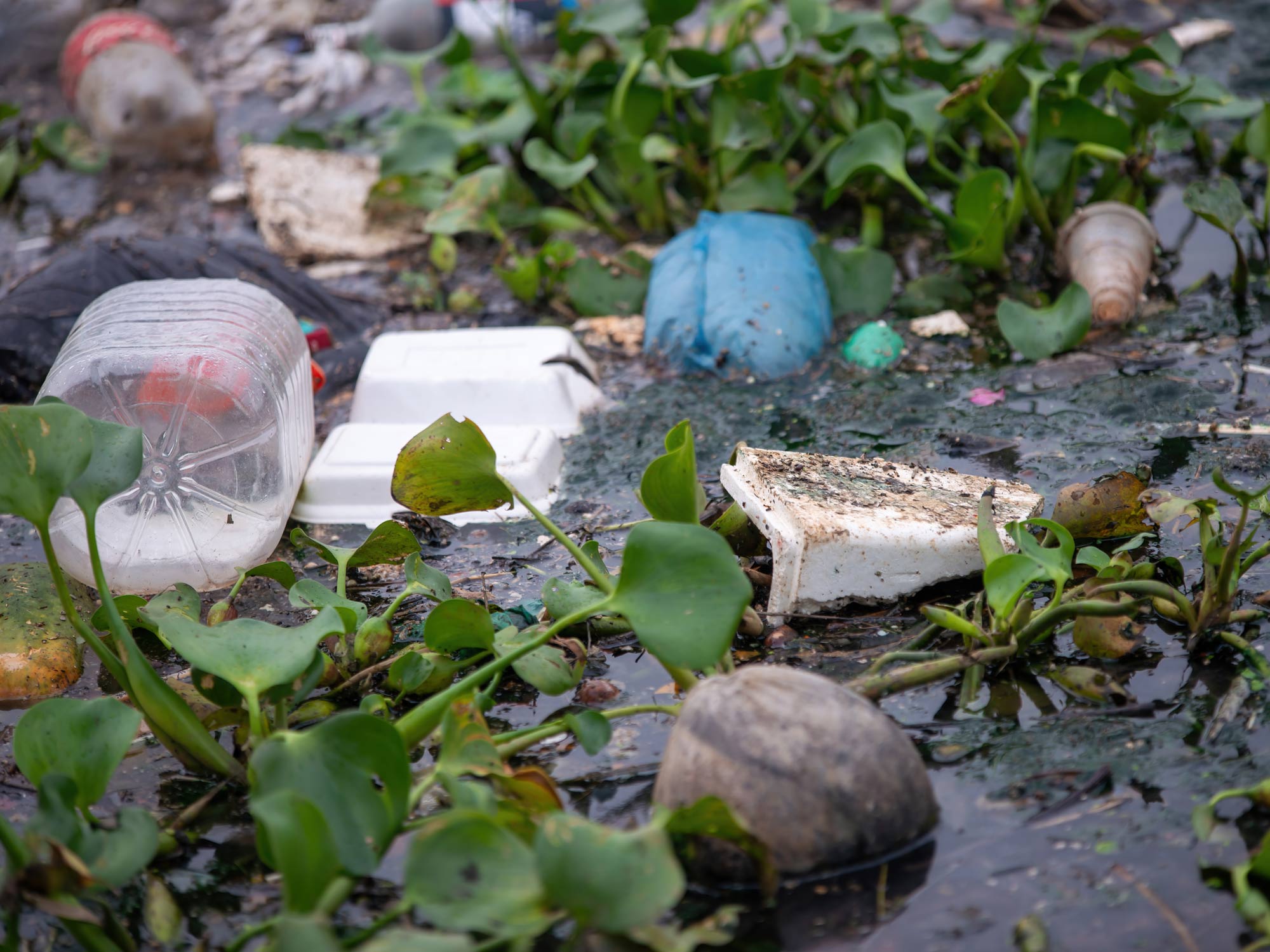
What happens to plastic after it is thrown away? Every year, an enormous amount of plastic is not properly managed and are carried by wind and rain into rivers and streams. Flowing along these waterways, plastic debris eventually converges in the vast ocean. [3]
Once plastic reaches the ocean, it does not easily disappear. Items used for only a few minutes—such as cups and packaging—can remain intact for 100 to 500 years, drifting through the sea. [4] Even more concerning is what happens over time. Exposure to sunlight and waves gradually breaks plastic down into invisible fragments known as microplastics. Marine life can easily mistake these particles for food. Once ingested, plastic accumulates in their bodies without being digested or expelled. As smaller organisms are eaten by larger ones, these particles move up the food chain, steadily accumulating at higher levels. [5]
Ultimately, Back to Us
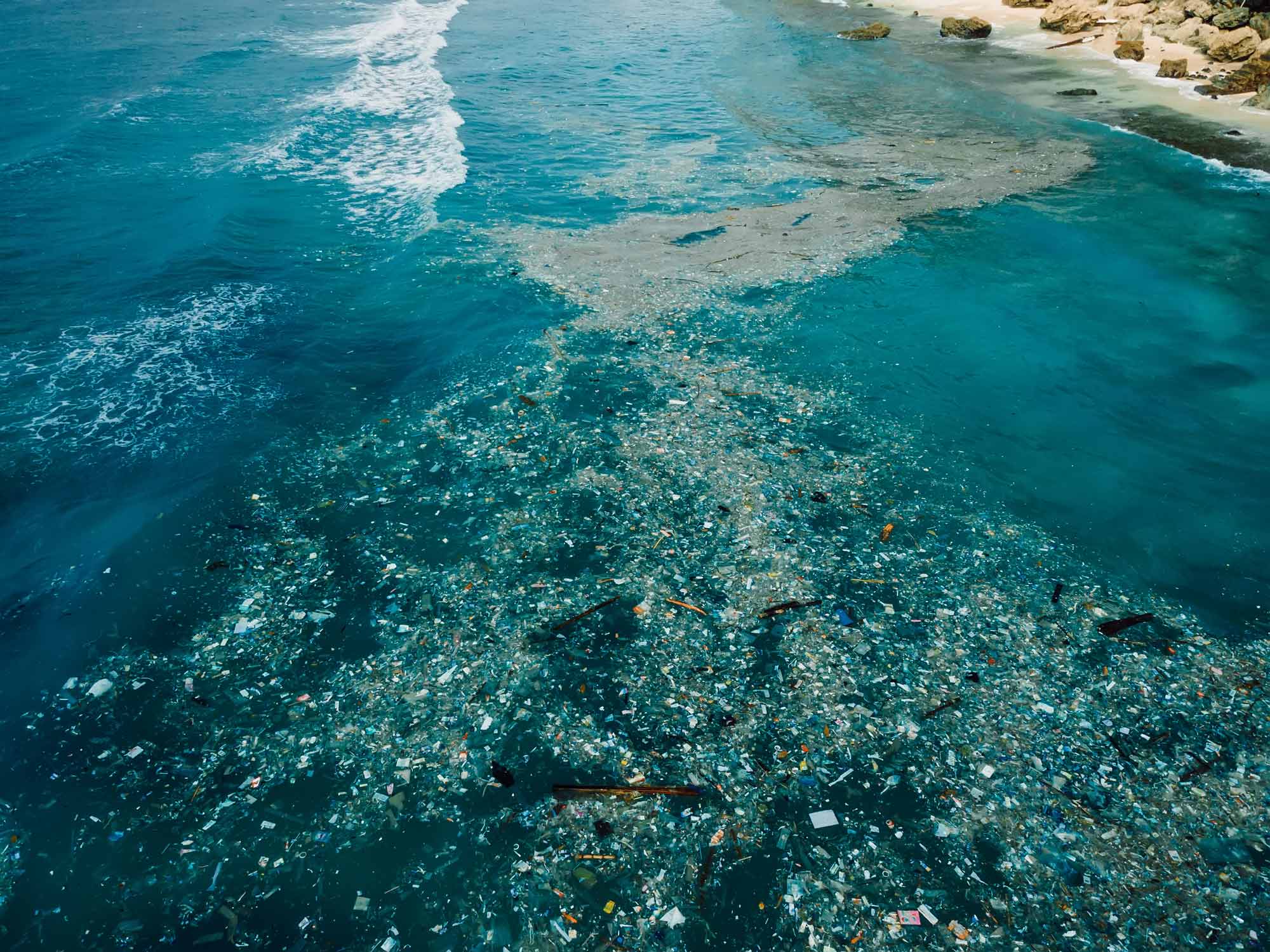
This tragedy does not end with harm to marine life alone. Unfortunately, at the very end of the food chain stand humans. When seafood harvested from the ocean reaches our tables, the microplastics within it also enter our bodies. Studies continue to show that microplastics are found not only in commonly consumed seafood such as oysters and mussels, but even in everyday items like salt and tap water.1
- Emenike, Ebuka Chizitere, et al. “From Oceans to Dinner Plates: The Impact of Microplastics on Human Health.” Heliyon, vol. 9, no. 10, 2023. ↩︎

The issue extends beyond health. The cost of plastic we discard so carelessly is never far away. Every year, vast amounts of labor and funding are required to remove waste accumulated in oceans and rivers, as well as debris washed ashore. Ultimately, this burden is shared by society as a whole. In other words, the convenience we have long taken for granted has never been free—we simply have not seen the bill, even though we are already paying for it.
And the cost does not end with taxes. Even plastic that never reaches the ocean leaves a lasting impact when it is incinerated. Greenhouse gases released during the process accelerate the climate crisis, and the consequences return to our daily lives. [6] Prolonged heatwaves, more intense rainfall, and increasingly unpredictable seasonal patterns are no longer distant disasters— they are part of our present reality. In the end, single-use products chosen for momentary convenience contribute to rising urban temperatures and threaten our health, safety, and stability.

The problem of plastic, therefore, is not simply about the accumulation of waste. Behind the convenience we so easily embrace lies a cost that someone must bear, a burden society must carry, and an even greater price that future generations will have to pay. Beneath the ease of convenience, there is always a weight that follows.
The Value of Inconvenience
So what can we do? In reality, it is difficult to give up single-use products and the convenience embedded in our daily lives overnight. What matters is not eliminating everything at once, but cultivating the habit of pausing in everyday moments of choice and considering the journey an item will take after it leaves our hands. Using a reusable tumbler when ordering coffee, choosing products with minimal packaging, and taking the extra care to sort recyclables—these small actions matter. While any single effort may not immediately resolve the global environmental crisis, recognizing the hidden cost behind convenience marks the beginning of meaningful change.

Each April, as Earth Day approaches, calls to protect the environment echo around the world. However, real change is not achieved through a single day of awareness. It depends on the choices we continue to make in our everyday lives. Pausing before casually discarding something, and having the willingness to accept small inconveniences—these are genuine expressions of care for our planet. The small inconveniences we embrace today can become the powerful starting point for creating a better Earth tomorrow.