Whose Future Is Being Decided?
The issues facing the international community today—such as the climate crisis, digital transformation, and inequality—require a long-term approach. Policies and systems agreed upon on the international stage can shape societies and individual lives for decades to come. Ultimately, it is young people who will live with their consequences the longest.
According to the United Nations, there are approximately 1.3 billion young people aged 15 to 24 worldwide, making this the largest generation of young people in history.[1] Yet young people are still not adequately represented in the processes that determine policies affecting their own future. An article published by the World Economic Forum likewise points out that although young people will be greatly affected by long-term climate policies, they remain underrepresented in the policymaking process.[2]

Those Who Decide and Those Who Bear the Consequences
Another challenge the international community must address together is narrowing the gap between commitments and implementation. The international community has continued its efforts to build a sustainable future. The Sustainable Development Goals are an important set of commitments made collectively by the global community to address shared challenges facing humanity, including poverty, inequality, climate change, education, and the environment. According to a 2026 UN report, 36 percent of the 139 SDG targets for which trend data are available are either on track or showing moderate progress.[3] While the international community has made meaningful progress in many areas, broader cooperation and stronger action will be needed in the remaining years to achieve the goals by 2030.

One important factor in turning these goals into tangible action is ensuring that experiences from the field and the voices of those directly affected are properly reflected in policy. The more international policies incorporate the diverse experiences of different generations and regions, the more likely they are to identify solutions that respond to real needs and can be sustained over time. The UN has also consistently emphasized the need to integrate youth participation more systematically into international decision-making processes.[4]
Youth participation, therefore, goes beyond simply showing consideration for young people. It is about enabling them to take part in decisions that directly affect their lives. The length of time policymakers remain in office is not the same as the length of time their policies affect society. Even after those who made a decision have left their positions, the social costs and risks created by that decision may continue into the next generation.
For this reason, an intergenerational perspective becomes increasingly important when addressing long-term issues. When young people who will directly experience the consequences of a policy participate in the decision-making process, its future impact and the responsibilities it entails can be considered more fully, beyond immediate interests.

Voices From the Field on the International Stage
In recent years, the international community has increasingly begun to view young people not simply as beneficiaries of policy, but as partners in the decision-making process.
One notable development is the establishment of the United Nations Youth Office. In 2022, the UN General Assembly adopted a resolution establishing the United Nations Youth Office within the UN Secretariat as a dedicated body for youth affairs.[5] Incorporating the former Office of the Secretary-General’s Envoy on Youth, the Youth Office works to advance youth issues across key areas of the UN’s work, including peace and security, sustainable development, and human rights, while supporting the meaningful participation of young people and youth organizations in the work of the United Nations.
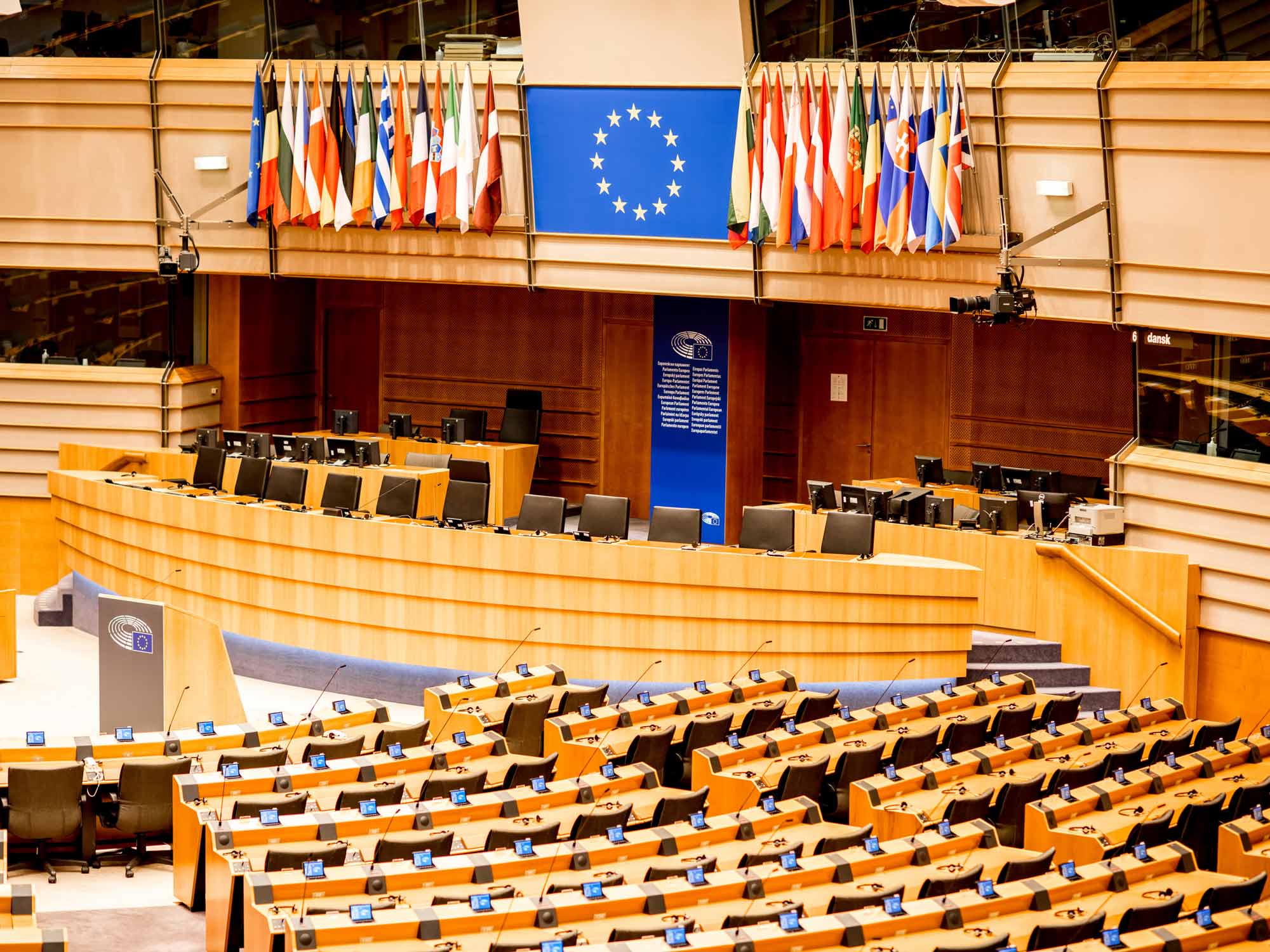
This trend has taken more concrete form in recent years. In 2026, the UN presented its Core Principles for Meaningful Youth Participation in Intergovernmental Processes and the Work of the United Nations, calling for youth participation to be structurally incorporated throughout the entire decision-making process—from agenda-setting and policymaking to negotiations, implementation, and review—rather than limiting engagement to simply listening to young people’s views.[6]
The ECOSOC Youth Forum, held at UN Headquarters in New York from April 14 to 16, also reflected this shift. More than 1,000 youth leaders and activists, along with representatives from civil society and the UN, participated in person to discuss solutions for accelerating implementation of the Sustainable Development Goals. Young people exchanged views directly with national governments, UN officials, civil society representatives, and other stakeholders.[7]

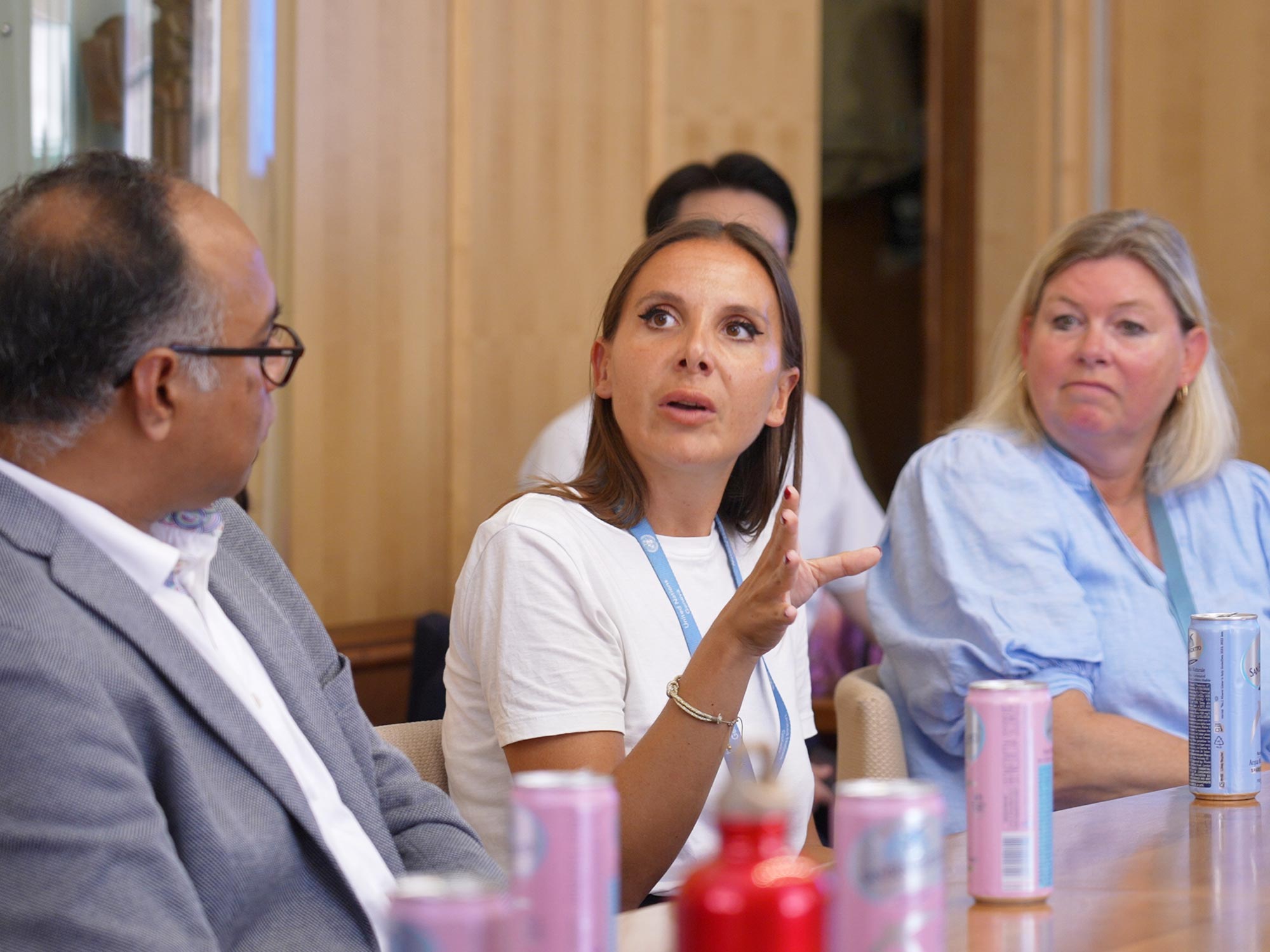
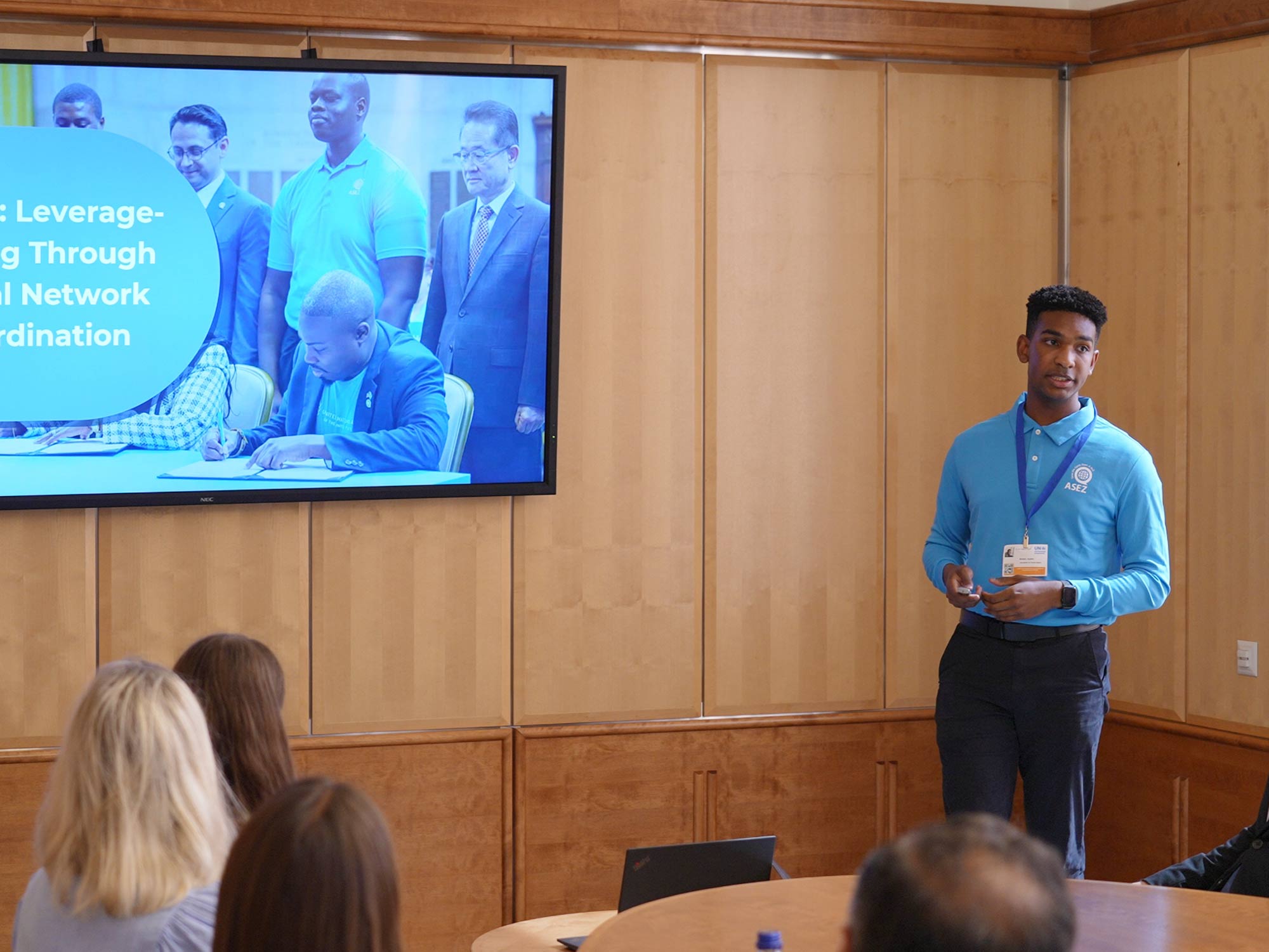
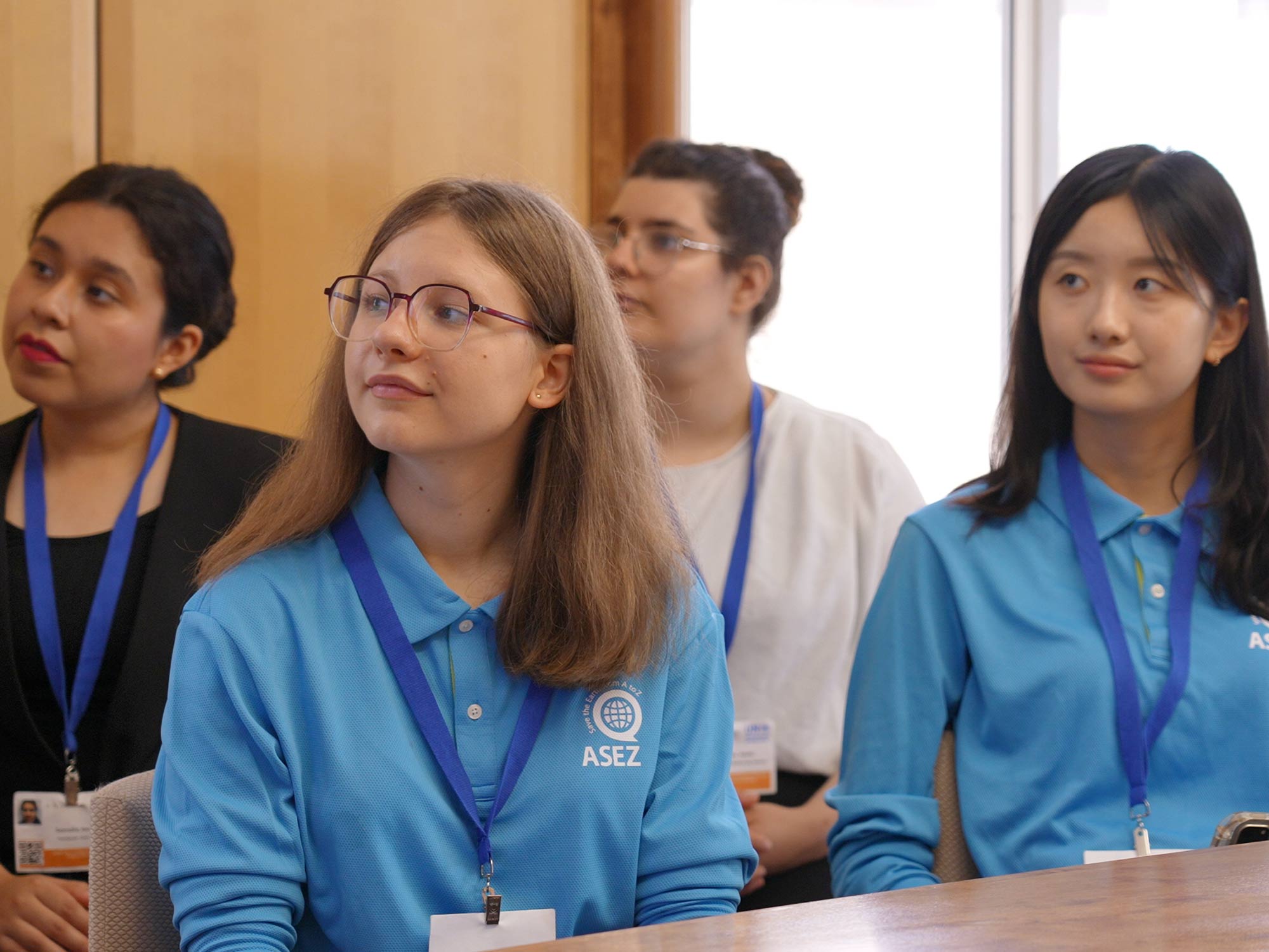
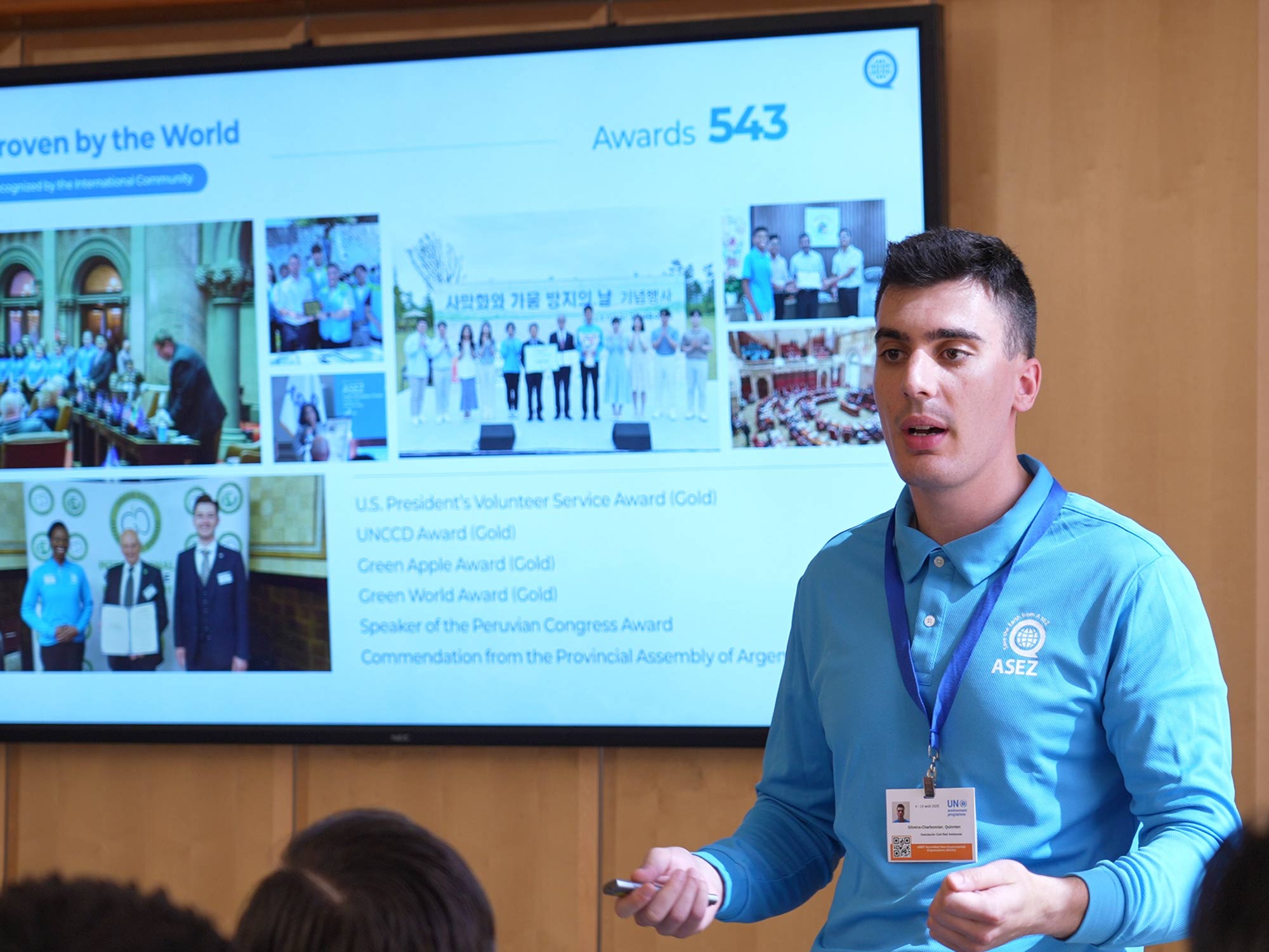
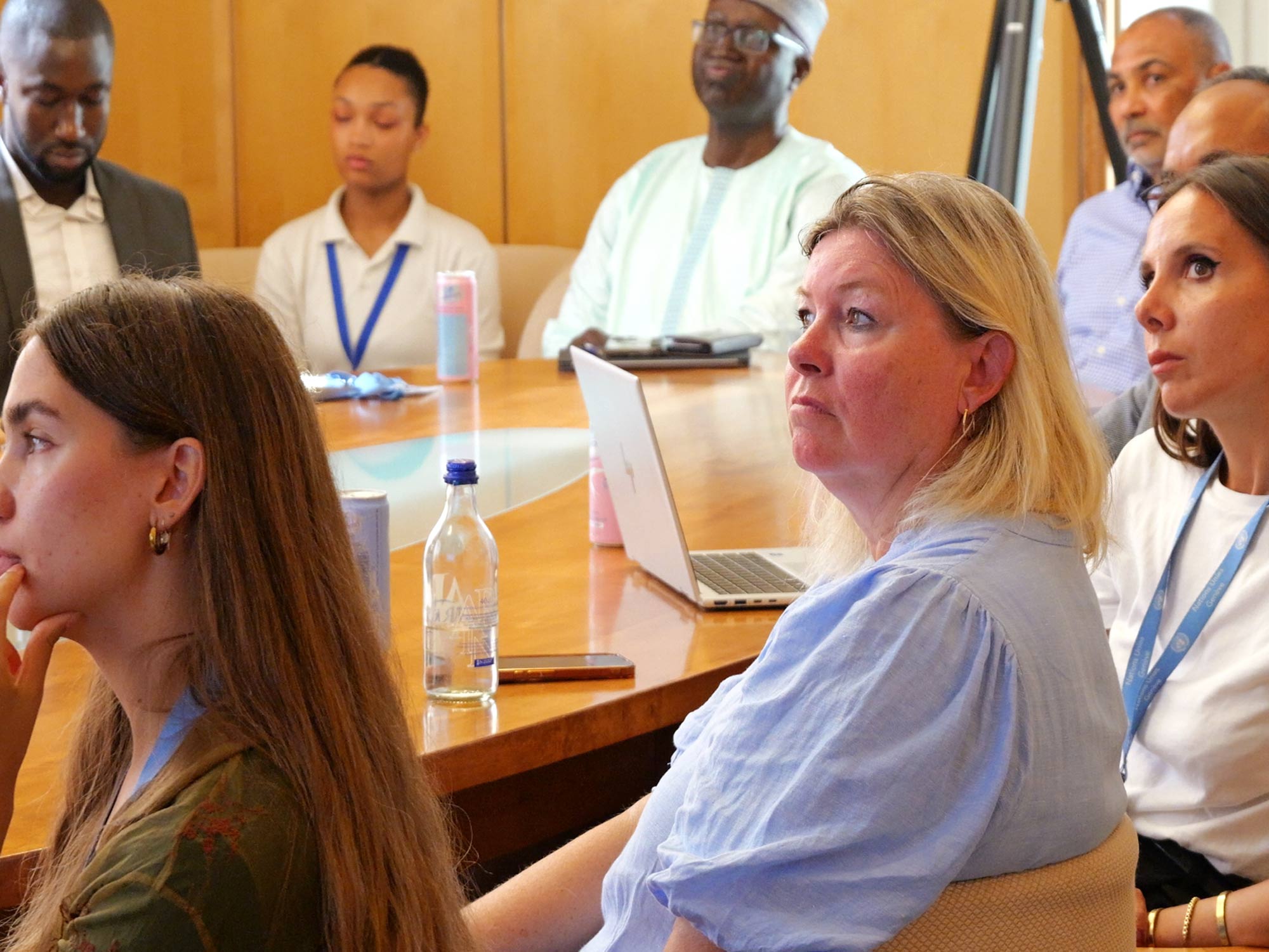
This change is not taking place only within the institutional structures of international organizations. The ASEZ Forum held in Geneva, Switzerland, this past July was another example of voices from university campuses reaching the international community. Drawing on the experience they had gained through activities on their campuses and in local communities, university students shared their perspectives on the issues and proposed solutions with representatives of international organizations and national delegations, while also discussing ways to cooperate.
What matters here is not simply that young people “attended” an international forum. More importantly, young people who had experienced problems firsthand and taken action on the ground turned those experiences into proposals that could be brought into international discussions. Youth participation becomes truly meaningful when international policies lead to action on the ground, and experiences gained in the field are, in turn, brought back into policy discussions.
Commitment and Responsibility for the Future
Ensuring that young people have a place in international decision-making is an important condition for building a sustainable future. When international policies are connected with action on the ground, the goals and commitments set out in documents are more likely to lead to tangible change.

Young people are not merely waiting for a future decided by others. They are directly affected by policy, but they are also partners capable of proposing and implementing solutions. For this reason, it is not enough simply to invite young people into the conference room. Structures must be put in place that allow them to ask questions, make proposals, participate in decision-making, and take part in implementing the outcomes.
The extent to which young people are given a meaningful seat at the UN table today may serve as one measure of how seriously the international community takes its responsibility toward future generations.