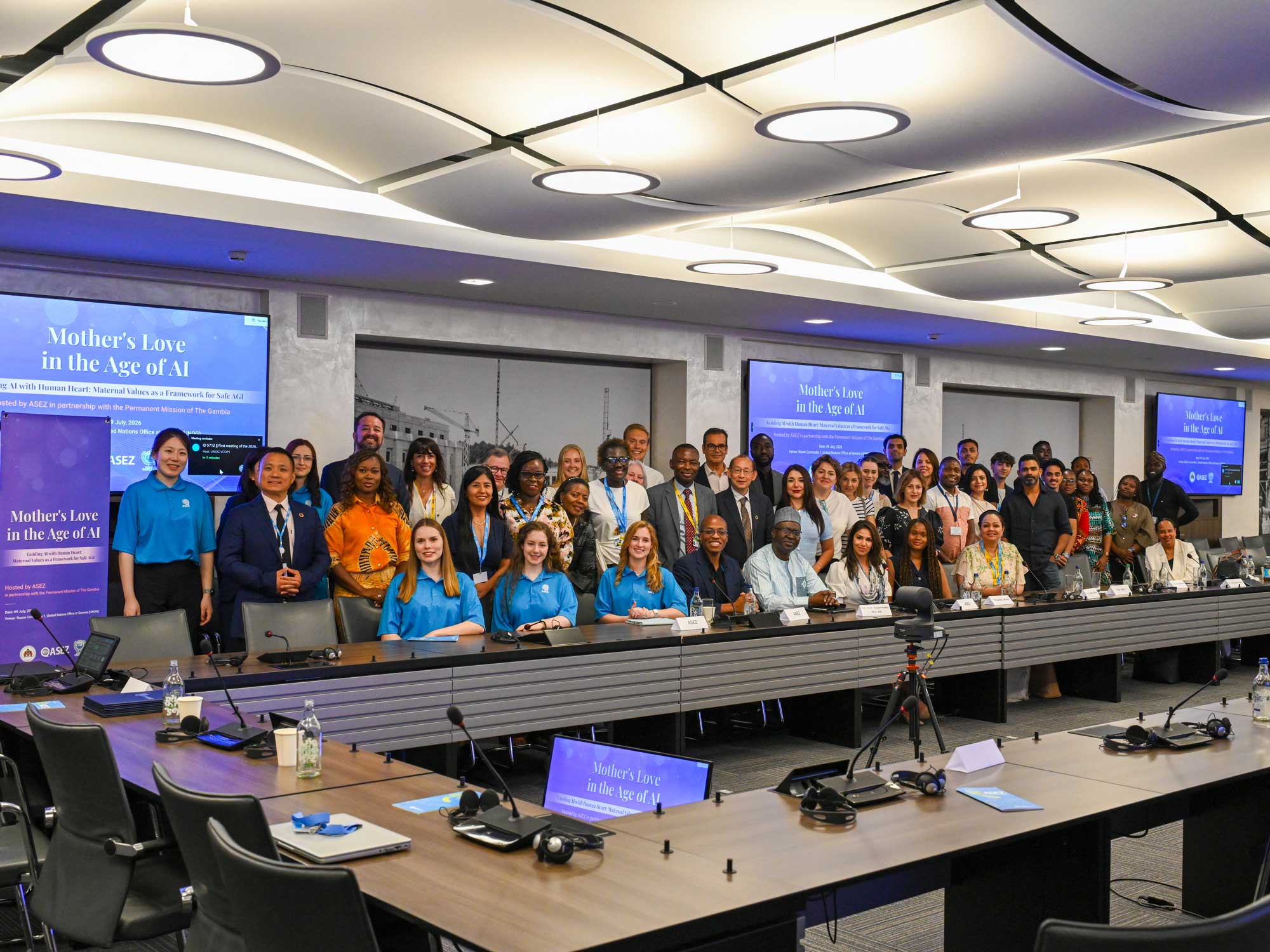
On July 9, ASEZ co-hosted an official UN side event in Geneva, Switzerland, with the Permanent Mission of The Gambia to the United Nations Office at Geneva under the theme “Mother’s Love in the Age of AI.”
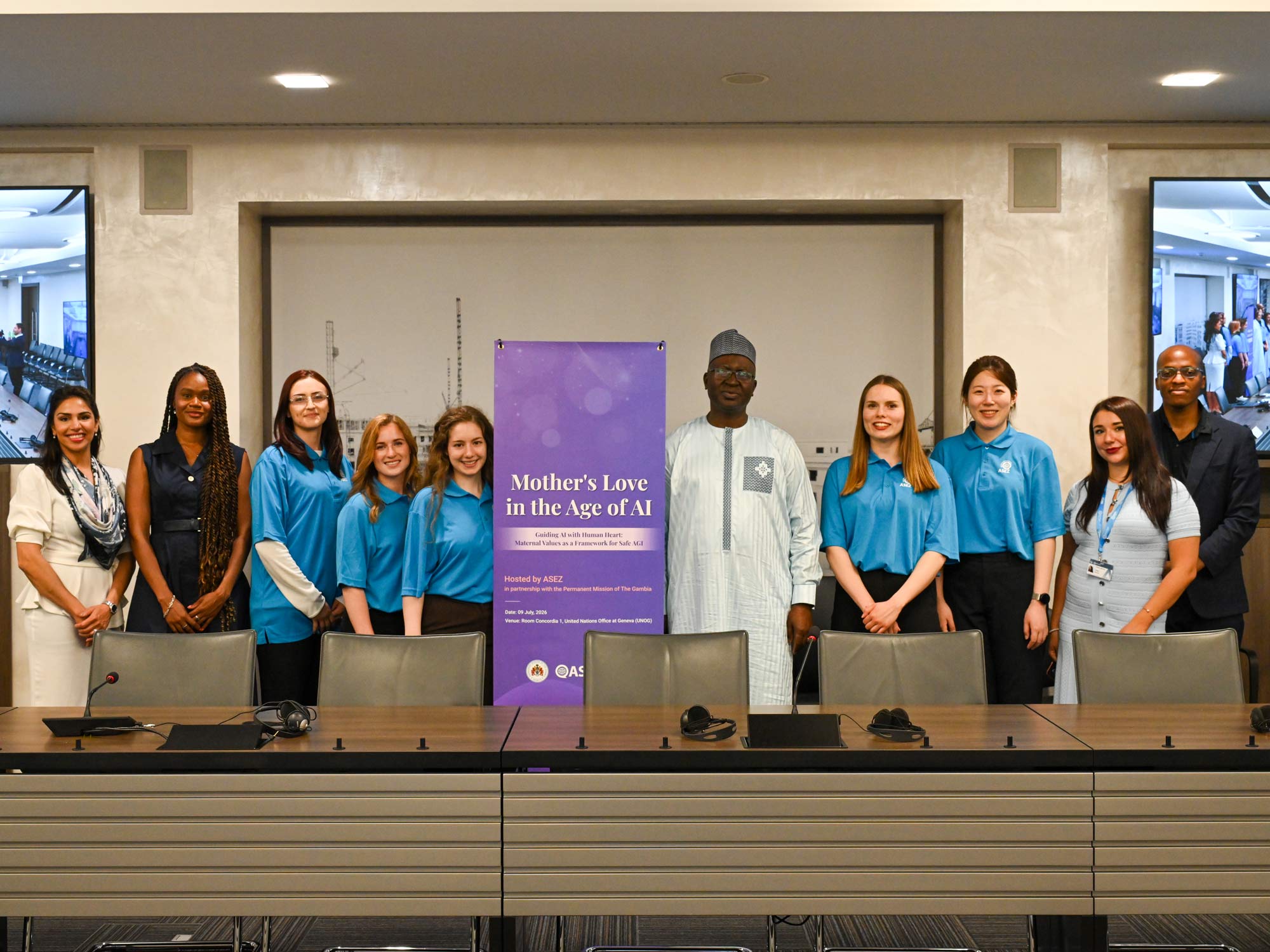
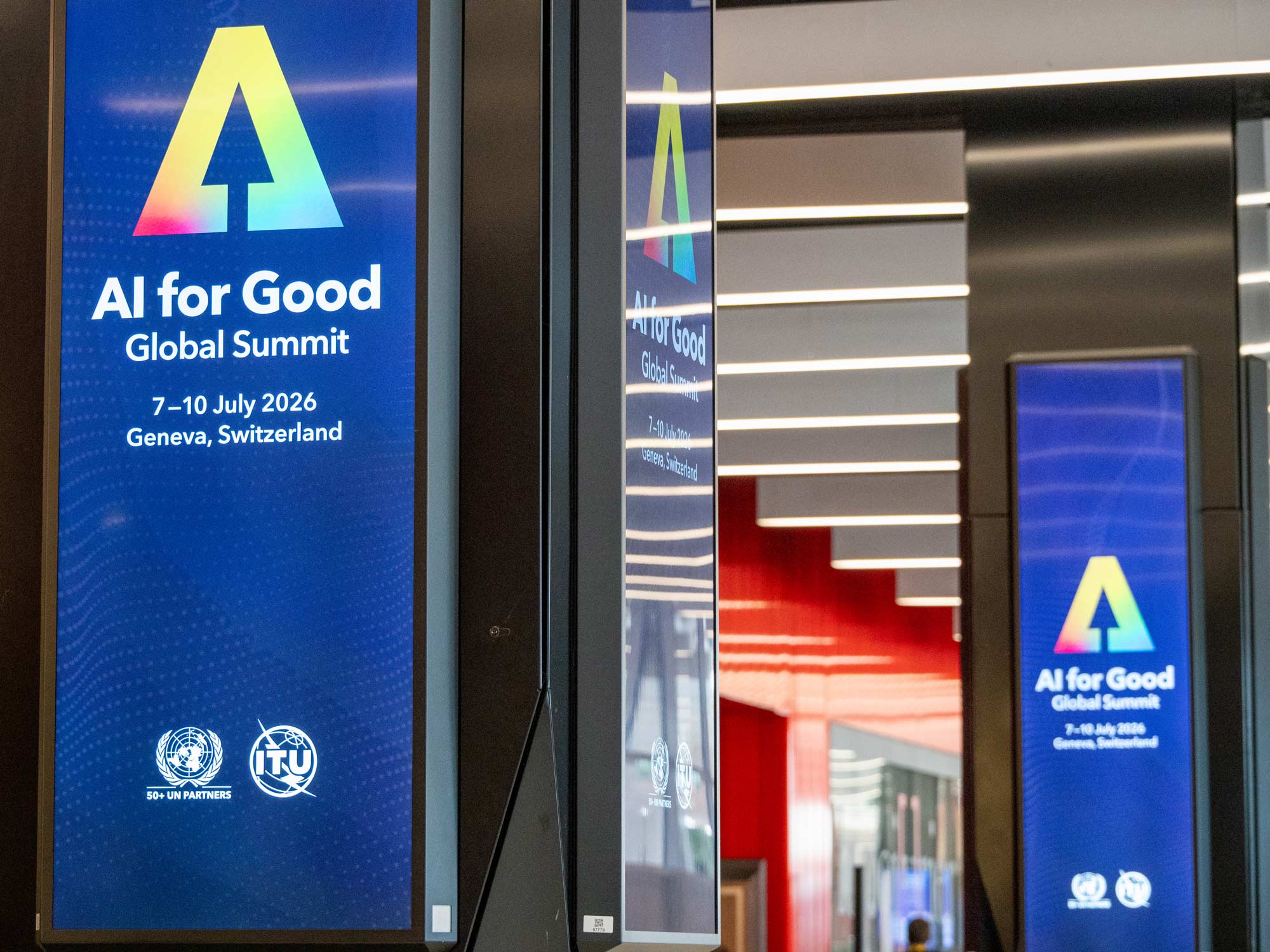
Held during the AI for Good Global Summit 2026, co-organized by the International Telecommunication Union (ITU) and the Swiss government, the event was particularly meaningful in that ASEZ went beyond simply participating or making a presentation and directly organized and led an official event to discuss the future of AI with the international community. A total of 57 participants from international organizations, academia, industry, and youth groups attended.
As AI continues to advance rapidly, ASEZ introduced “Mother’s Love” as a central theme in order to consider AI not only in terms of technological capabilities, but also in relation to human dignity, responsibility, and care. In his thematic presentation, Timothy White, a student at Harvard University in the United States, emphasized that what the age of AI needs is not merely more intelligent machines, but a more compassionate and more empathetic humanity. He presented “Mother’s Love”—symbolized by unwavering care, patience, sacrifice, and unconditional concern—as a value that should guide the future of technology.
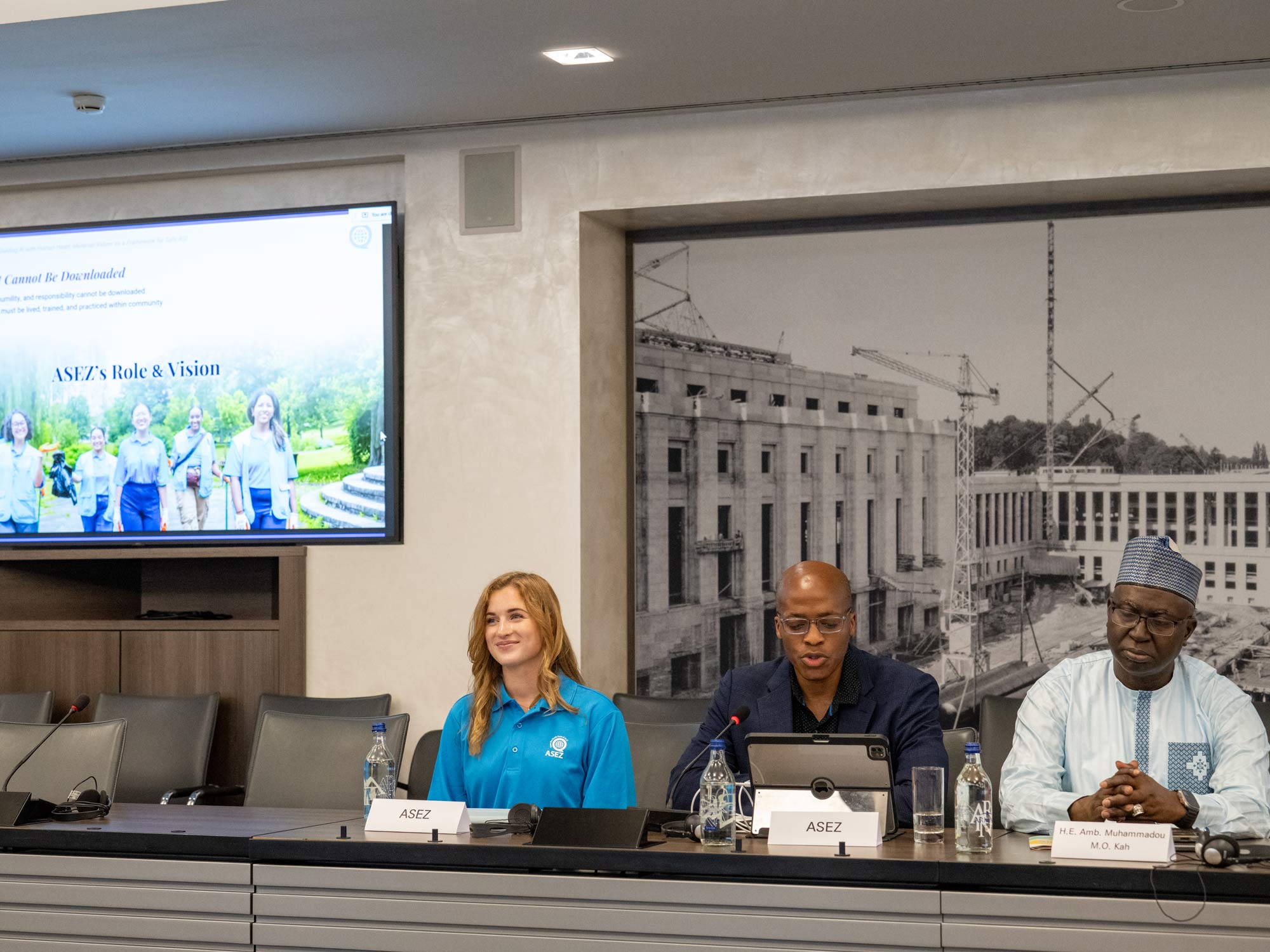
Delivering the keynote address on behalf of the co-hosting organization, Muhammadou M.O. Kah, Ambassador and Permanent Representative of The Gambia to the United Nations Office at Geneva and Chair of the UN Commission on Science and Technology for Development (CSTD), noted that today’s challenge is no longer a lack of principles, but rather the absence of mechanisms to put those principles into practice.
He emphasized, “If love merely declares itself, it is only sentiment. Love that reveals itself exercises restraint, makes sacrifices, and protects day after day. AI governance, too, must be built not on grand declarations, but on the daily work of implementation.” He further proposed translating human dignity and child protection into measurable requirements and ensuring that the Global South, developing countries, women, and young people are not merely occasional observers of AI norm-setting, but active participants in designing those norms. He also described the event as serving as the conscience of the ongoing UN dialogue in Geneva and paid tribute to ASEZ and its youth leadership for bringing the issue alive.
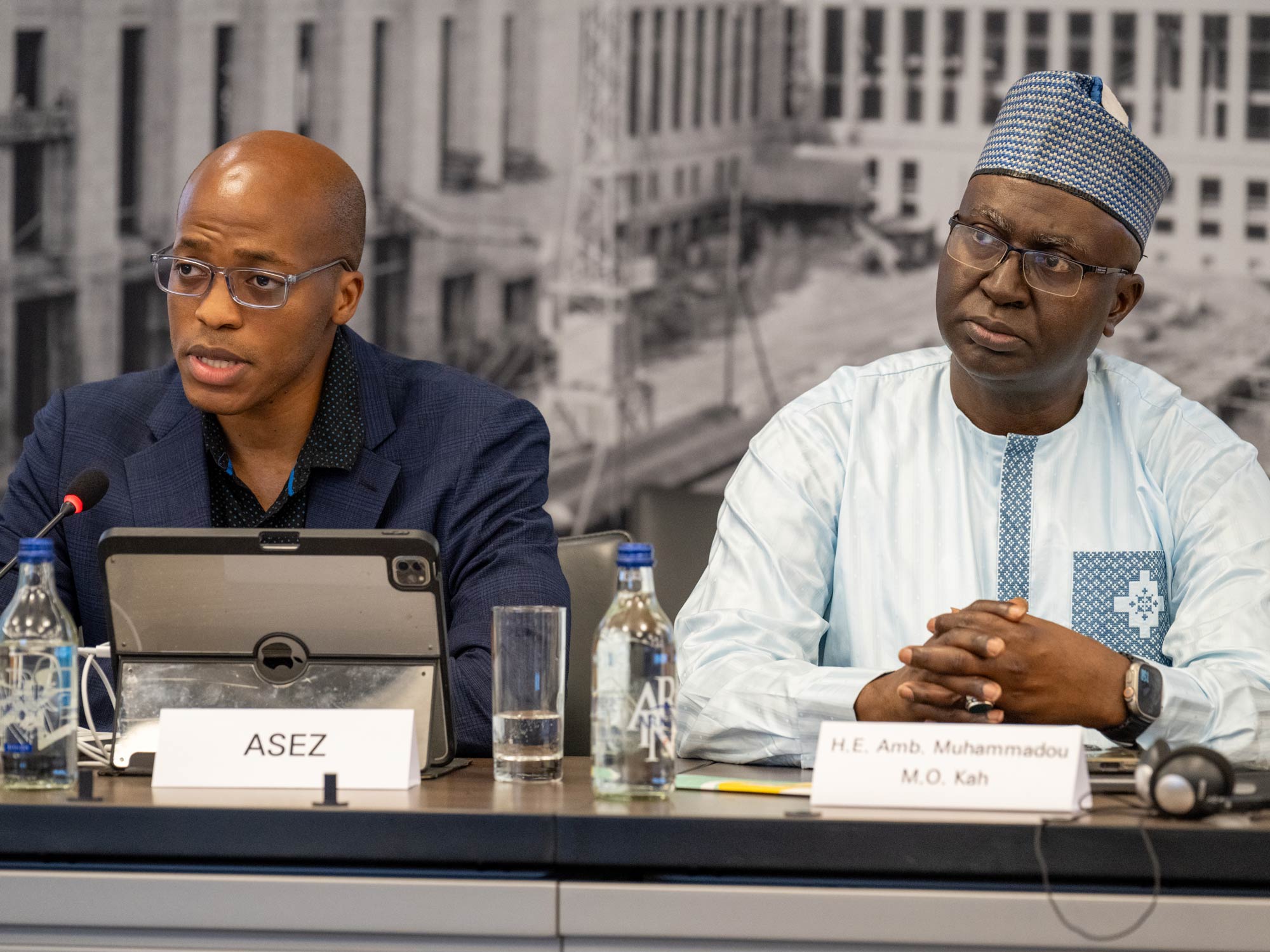
The panel discussion that followed addressed the human values that must be safeguarded in the age of AI, including human dignity, child protection, critical judgment, and the future of work.
During a youth dialogue later in the event, Dr. Ventzeslav Sabev, Co-Director of the Security Studies Institute at the University of Geneva, said that “an interdisciplinary and cross-sectoral approach involving students, families, and local communities is needed,” adding that “ASEZ students, because they take responsibility through their daily activities, have the right tools to raise very concrete questions among their peers.” He went on to say that “what AI should create is a space for freedom, creativity, and protection,” stressing the need for civil society participation through young people and student organizations.
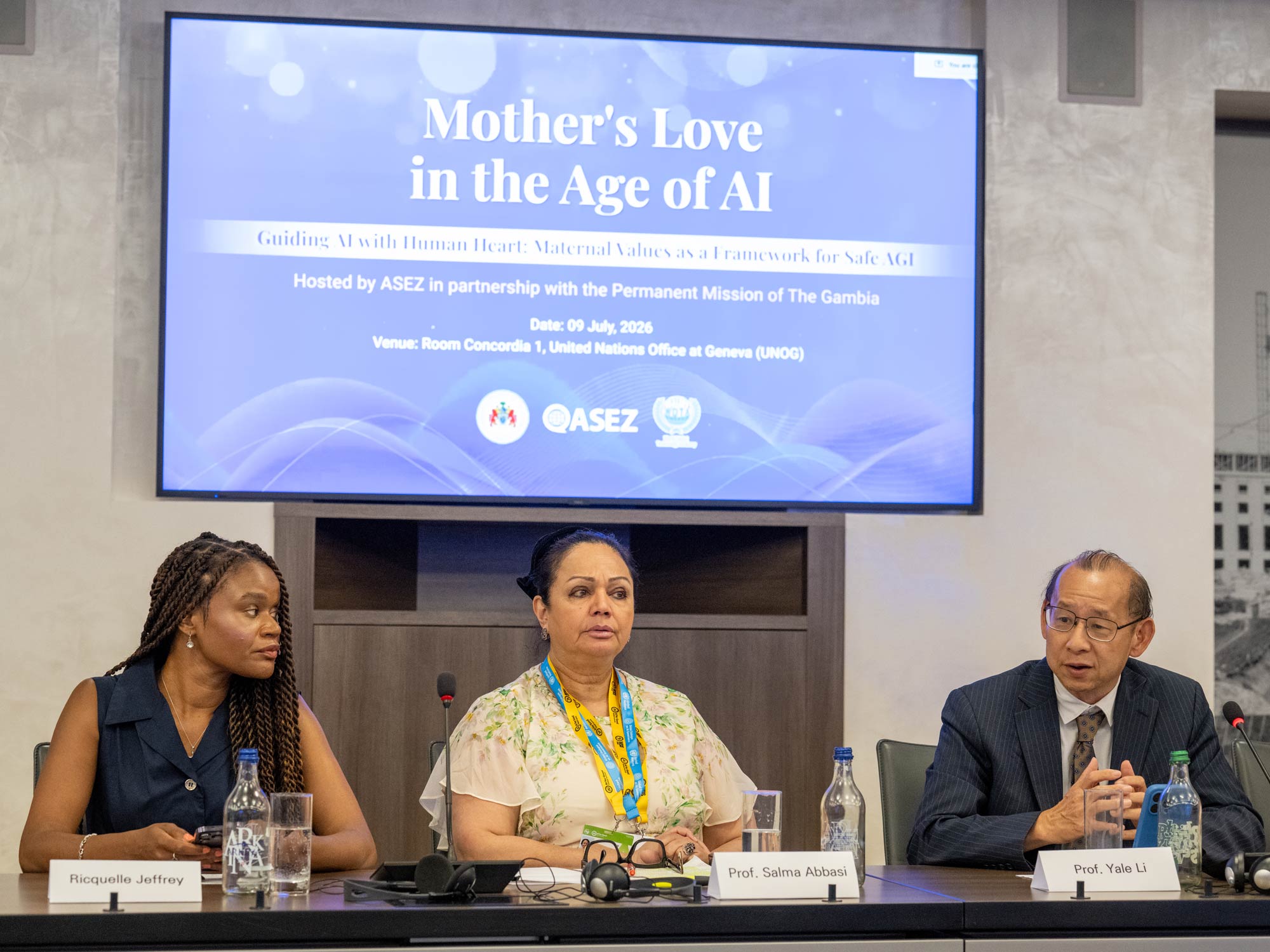
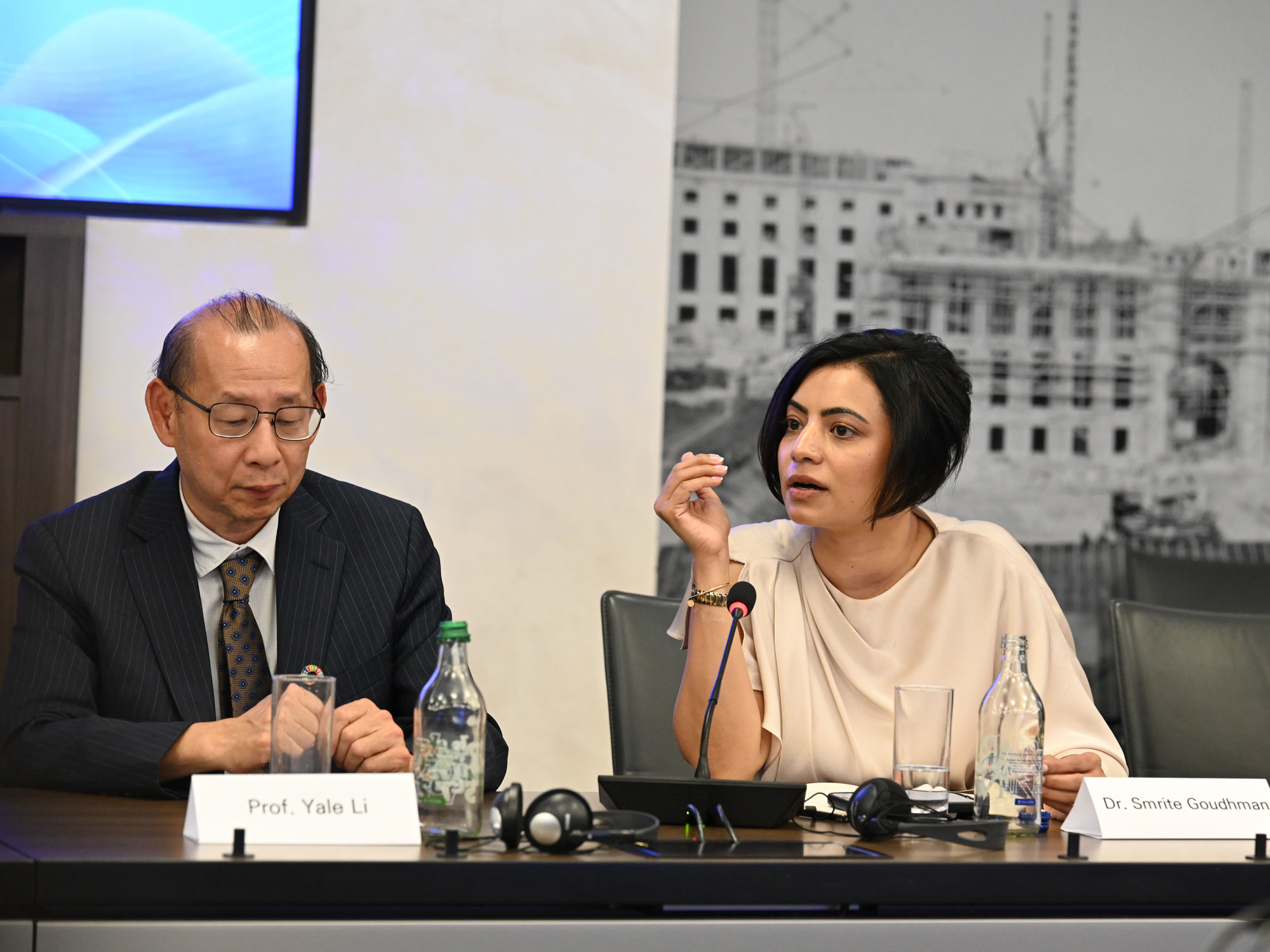
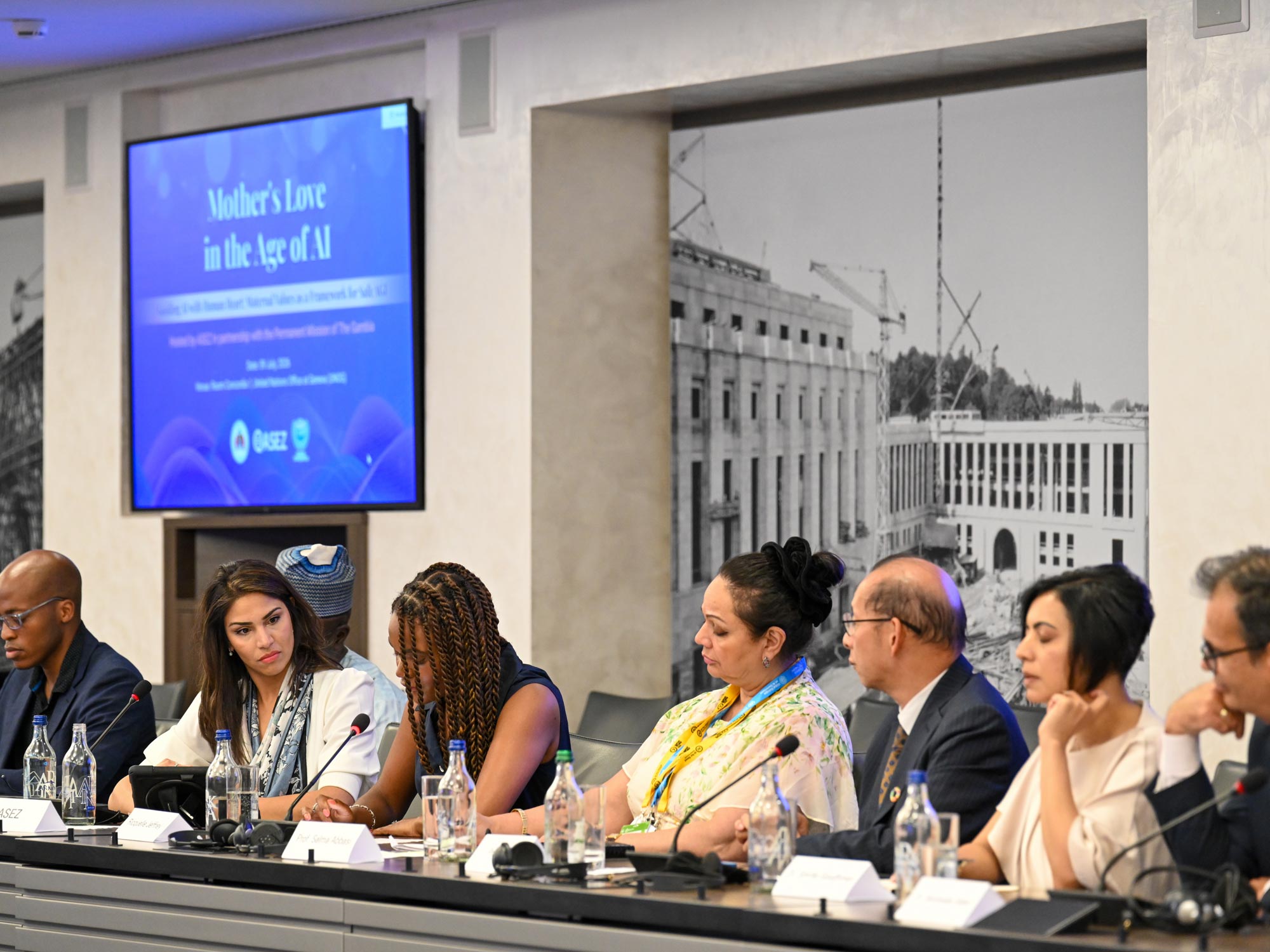
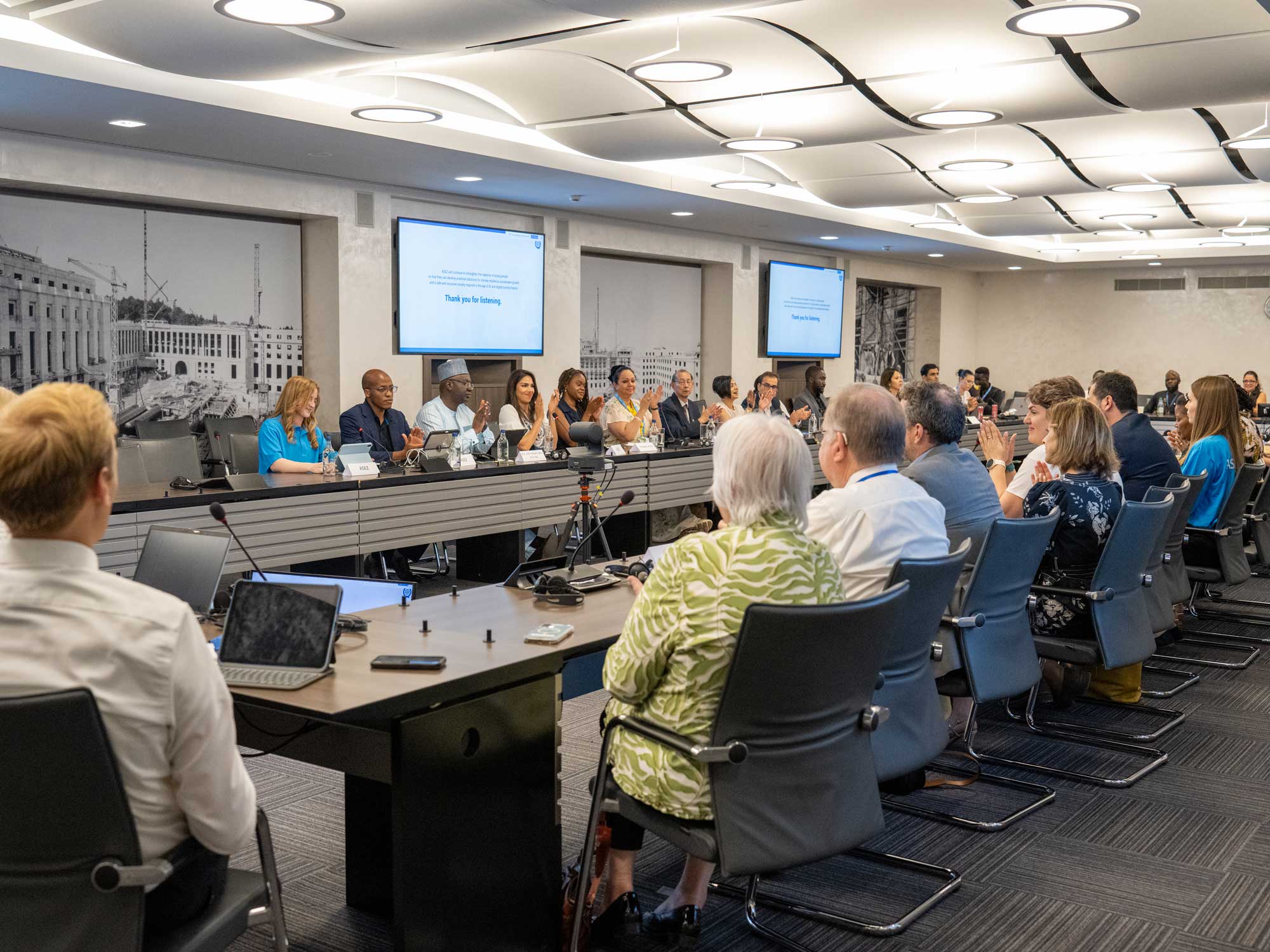
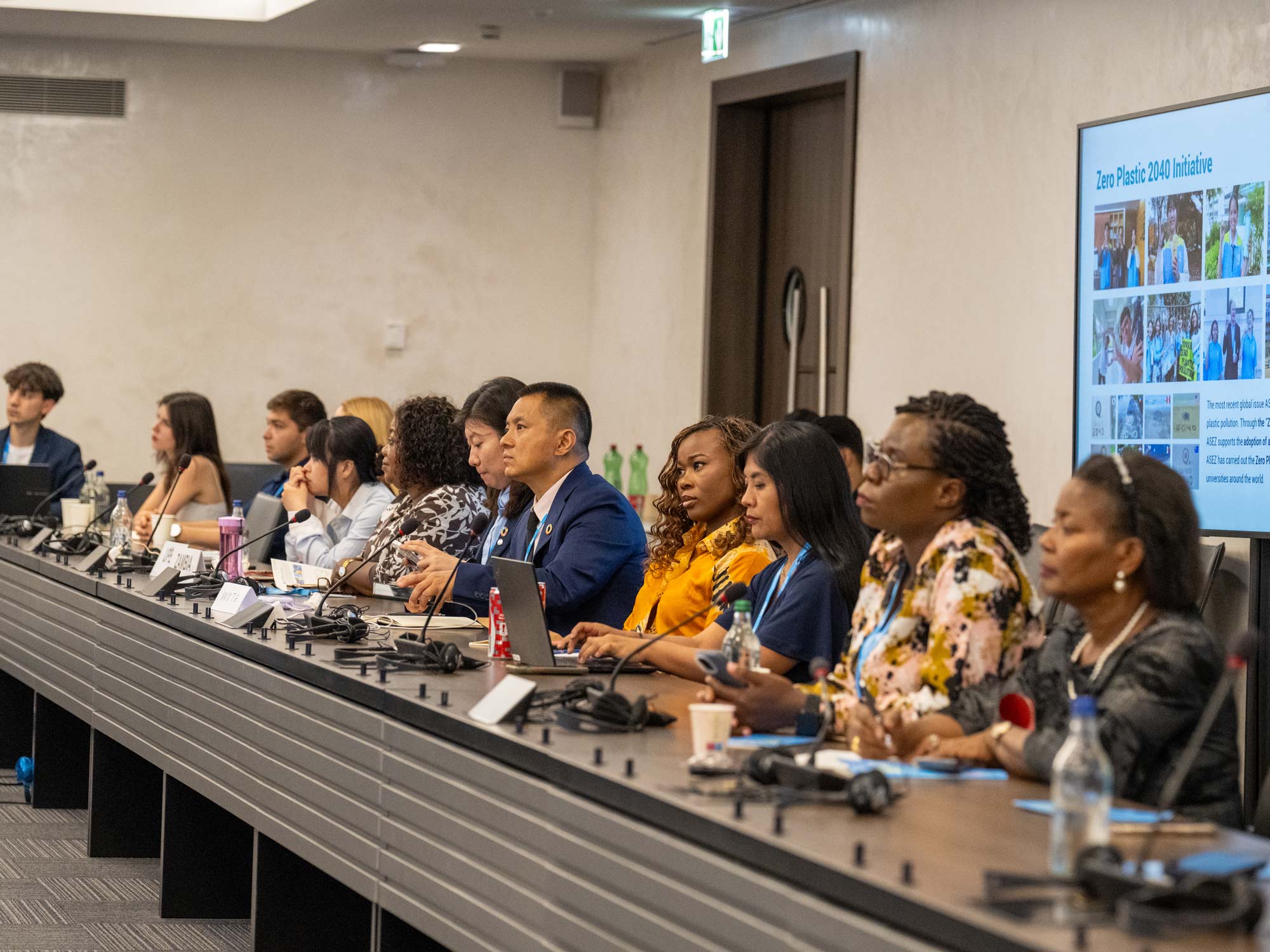
This side event provided a platform for university students to take the initiative in international discussions on AI safety and accountability and to call for human dignity and care to remain at the heart of technological development. ASEZ plans to continue discussions on digital safety and responsible AI together with university students around the world, while expanding youth participation and international cooperation for human-centered technological development.