Around September 1, Peru’s Tree Day, ASEZ university students carried out tree-planting activities and held an environmental seminar in Faucett and Arequipa. Working with local governments and community members, the students raised awareness of the importance of trees and forests while putting environmental protection into practice.
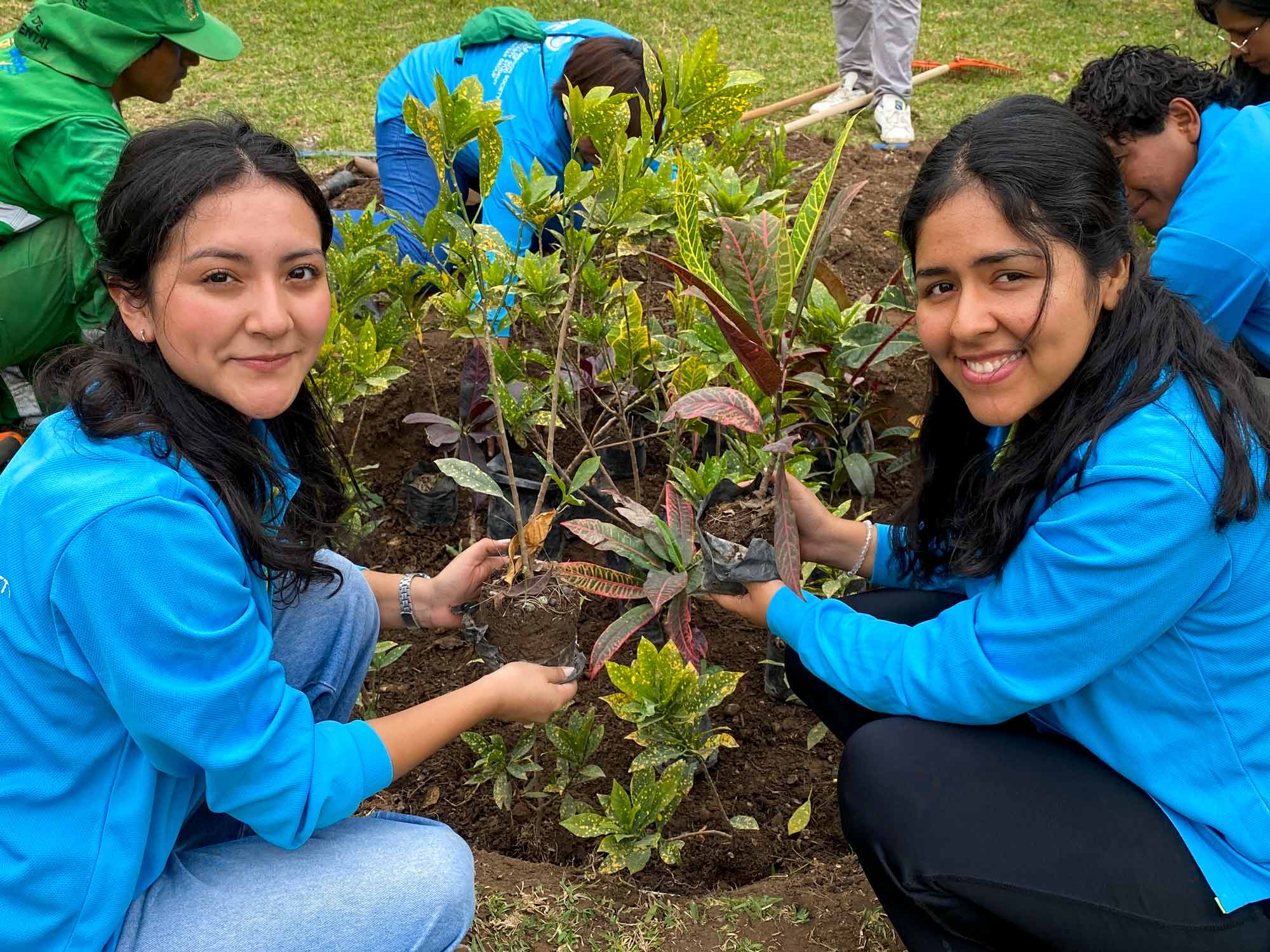
On August 31, ASEZ members from Faucett, Peru, partnered with the Breña District Municipality to plant trees in Pedro D’Onofrio Park and Oxapampa Park.
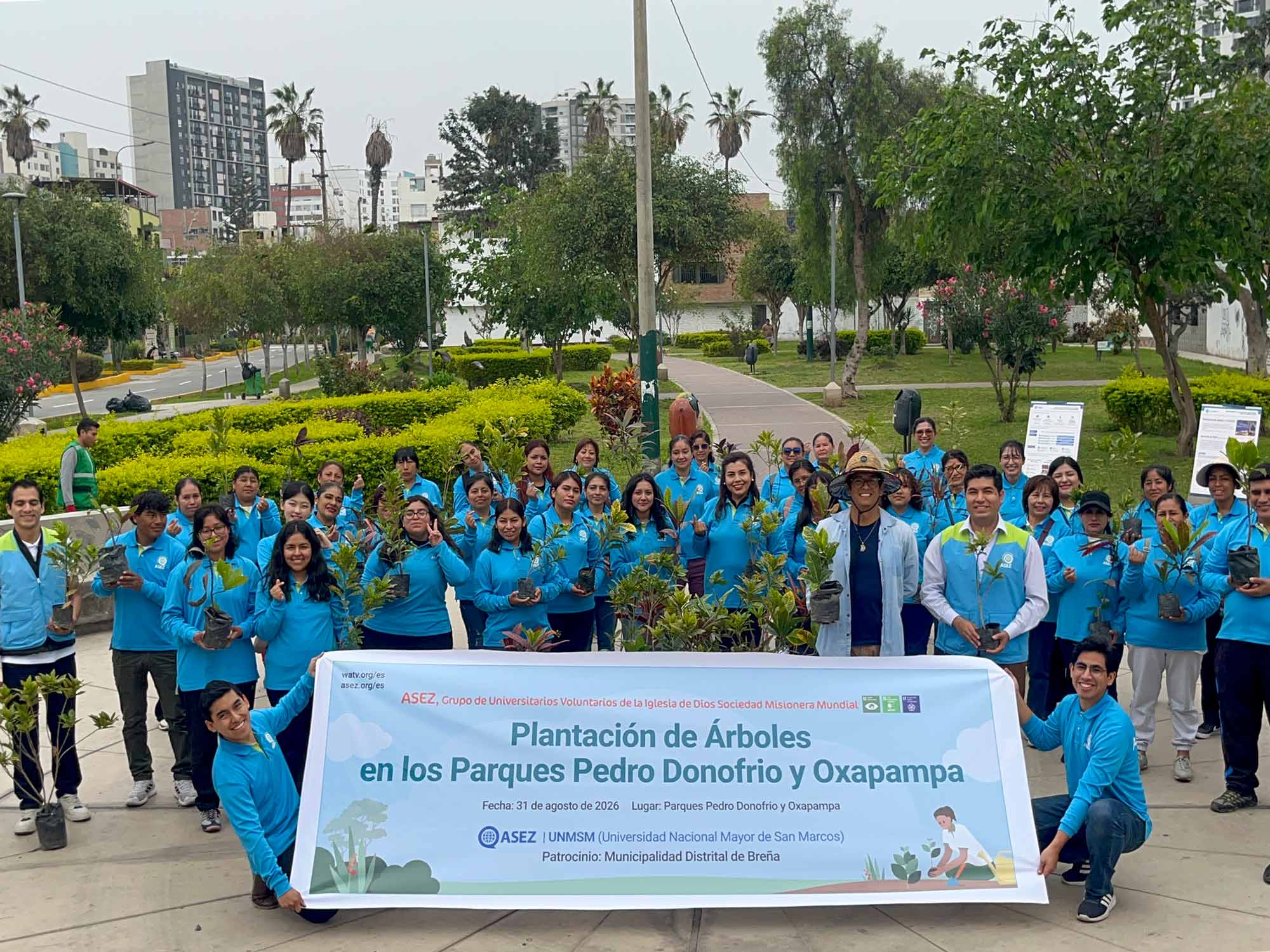
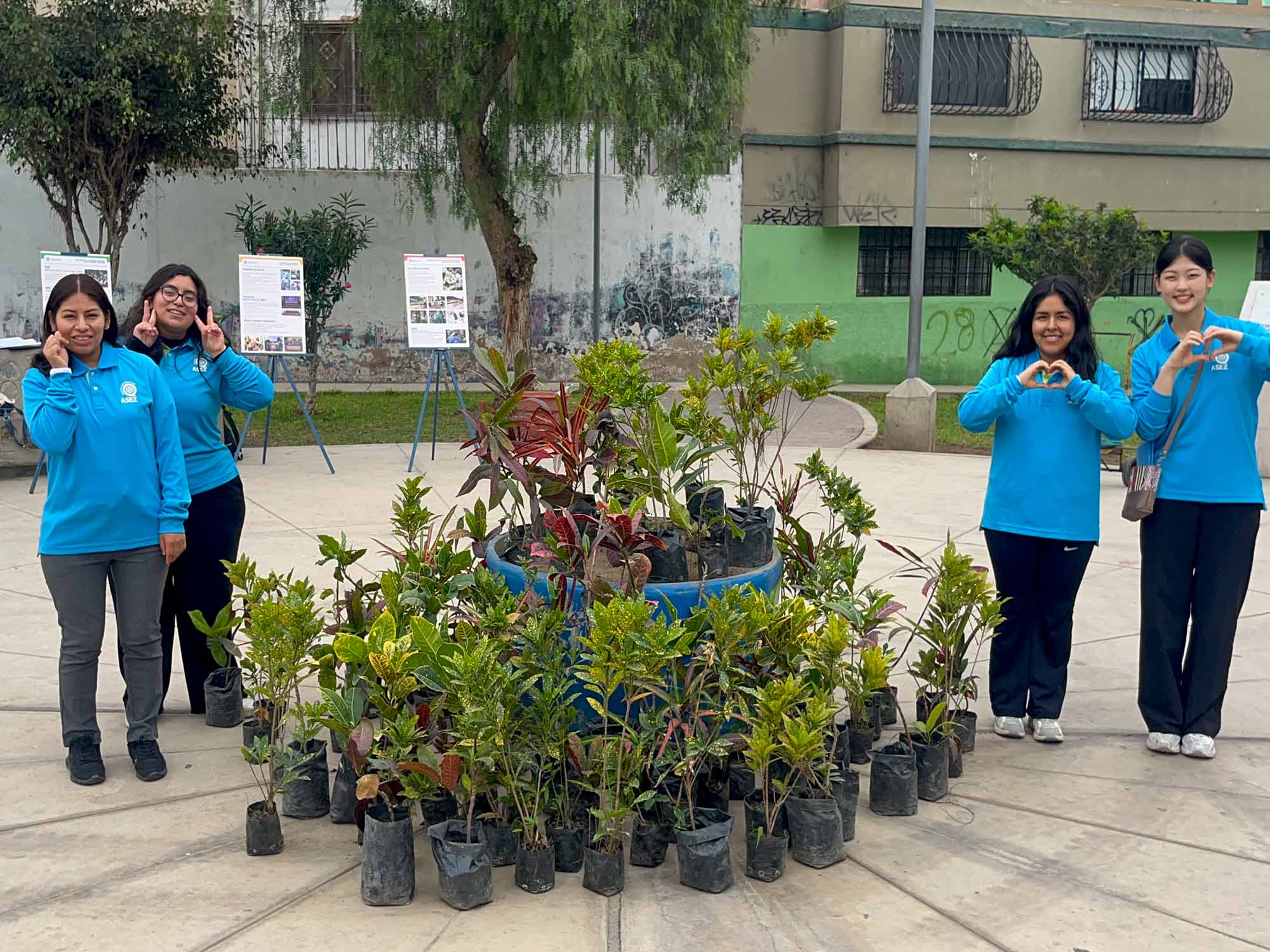
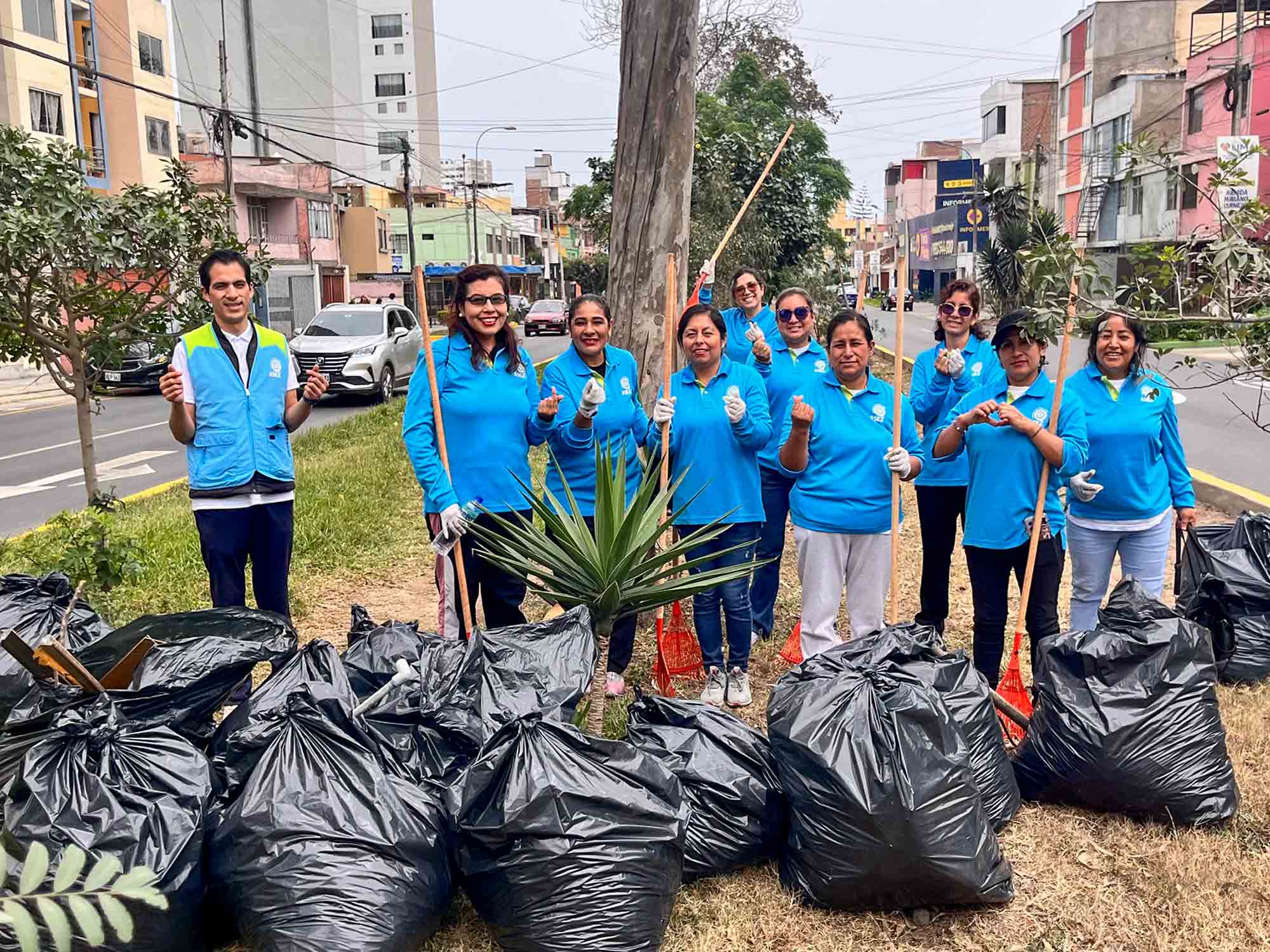
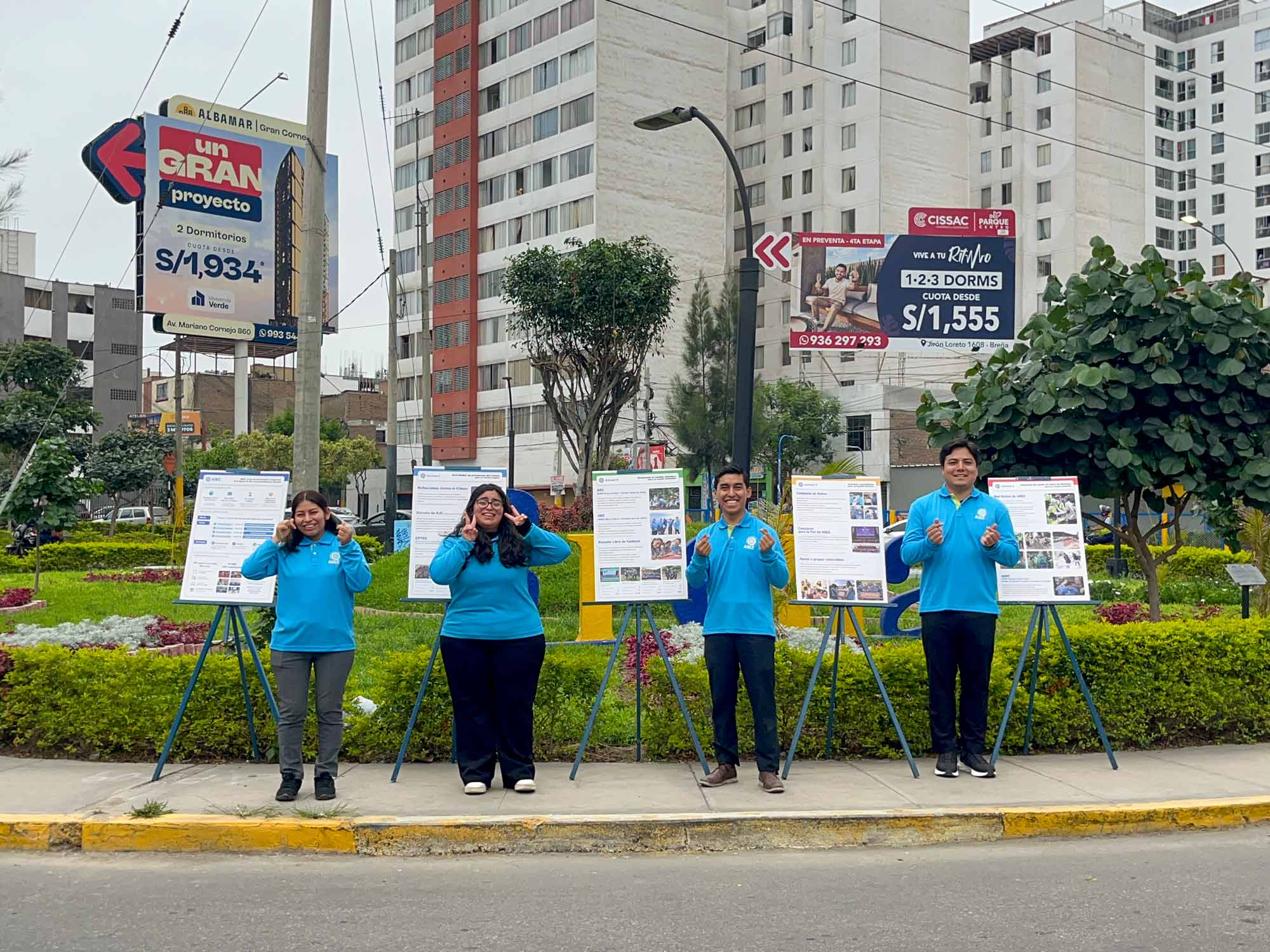
Approximately 55 people participated in the activity, including the National University of San Marcos (Universidad Nacional Mayor de San Marcos), the Pontifical Catholic University of Peru (Pontificia Universidad Católica del Perú), and the Peruvian University of Applied Sciences (Universidad Peruana de Ciencias Aplicadas), along with their family members and acquaintances. Together, they planted approximately 230 trees across the two parks. In addition to planting trees, participants collected fallen leaves and litter from roads near the parks. They also introduced ASEZ’s environmental protection activities to local residents and raised awareness of the importance of taking action for the environment in everyday life.
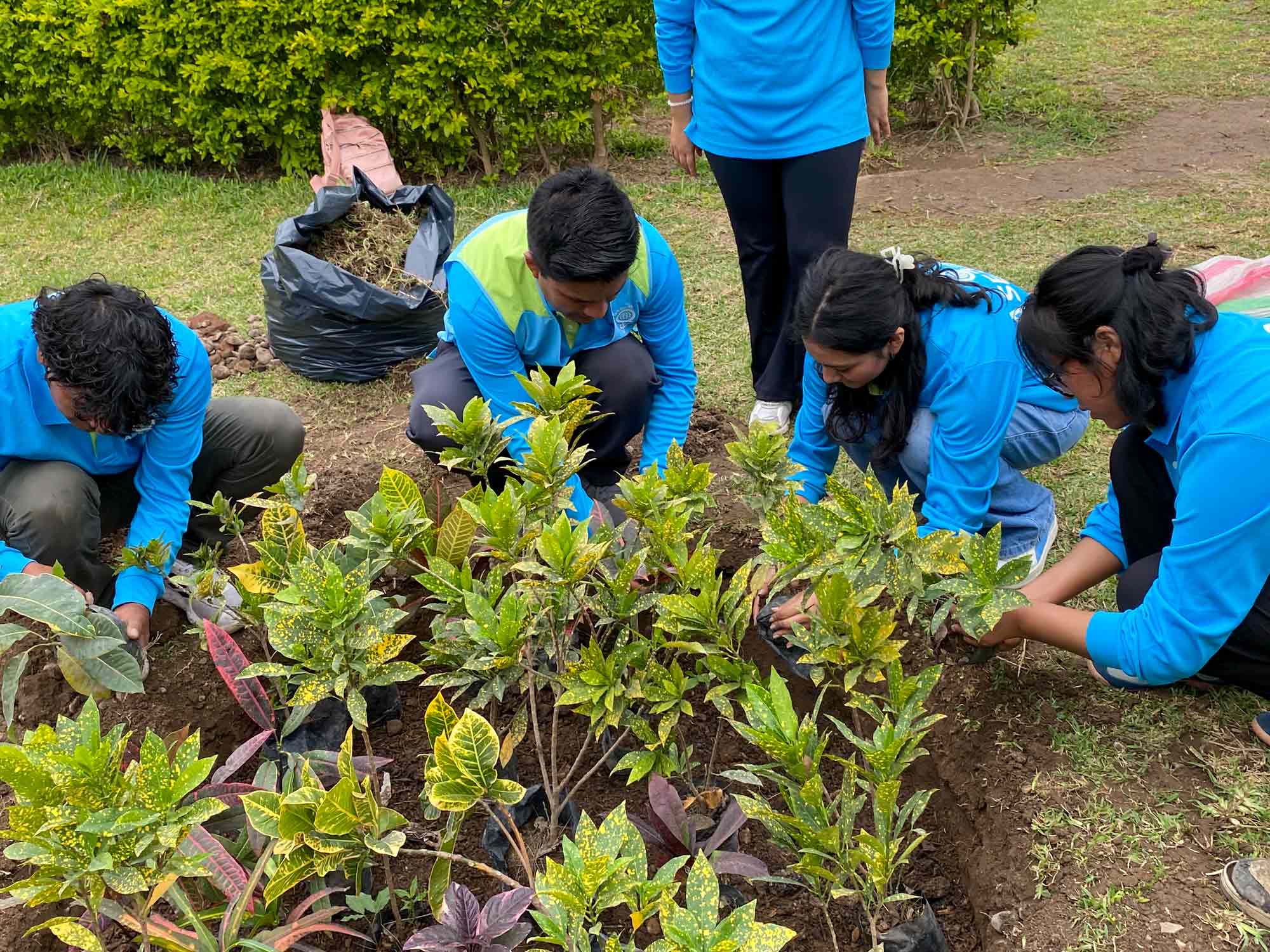
Douglas Rafael Obando Bazán, an official in charge of environmental affairs at the Breña District Municipality, expressed his appreciation, saying, “At a time when environmental awareness and a culture of caring for the environment are declining, I am glad to see young people like you taking the lead in organizing these activities.”
Renato Ochoa, an ASEZ member from the National University of San Marcos, shared, “With my busy academic schedule, I rarely had time to think about environmental issues. But through this activity, I realized that even a small action like planting a single tree can make a difference if we act with a clear purpose.”
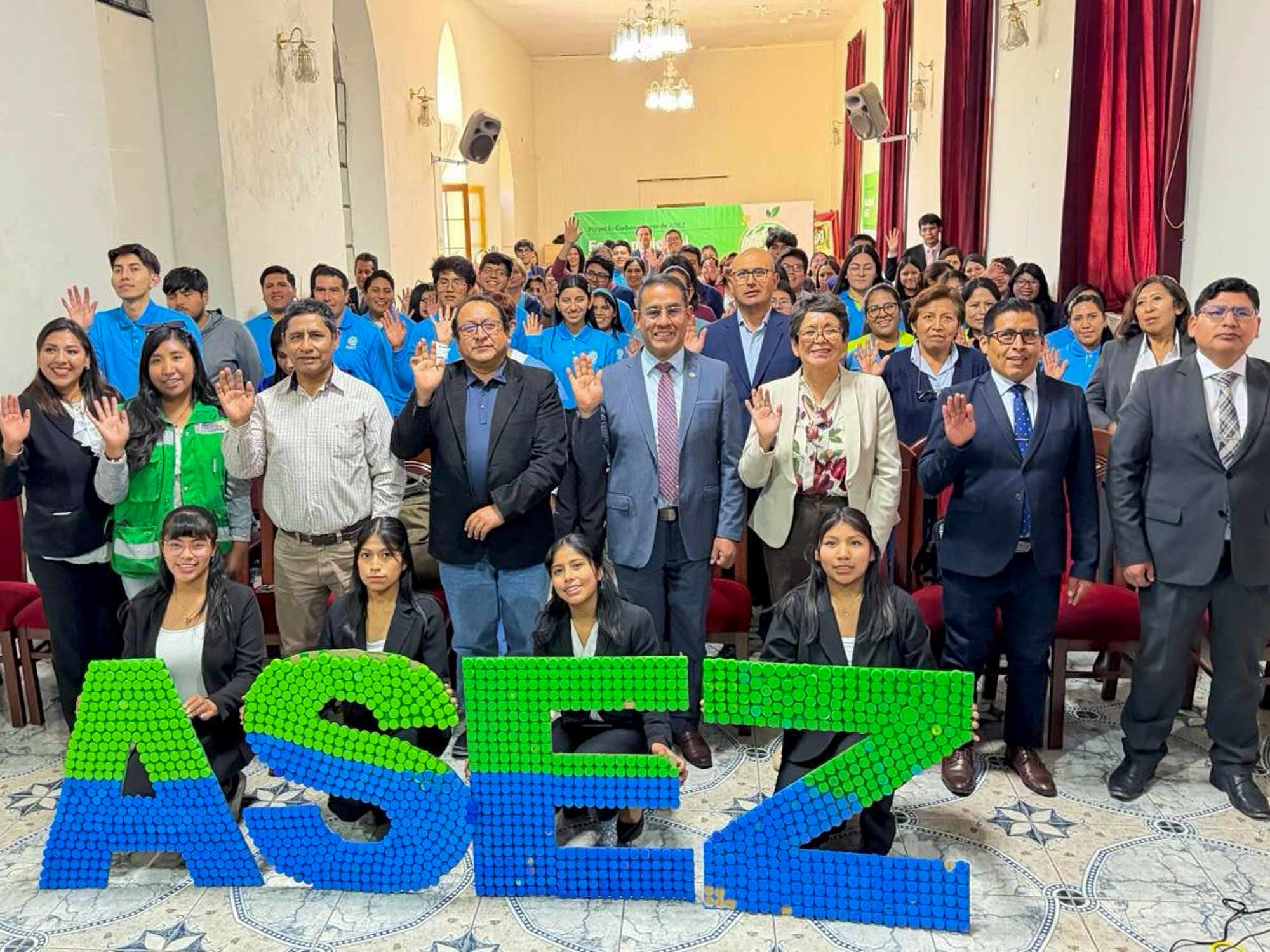
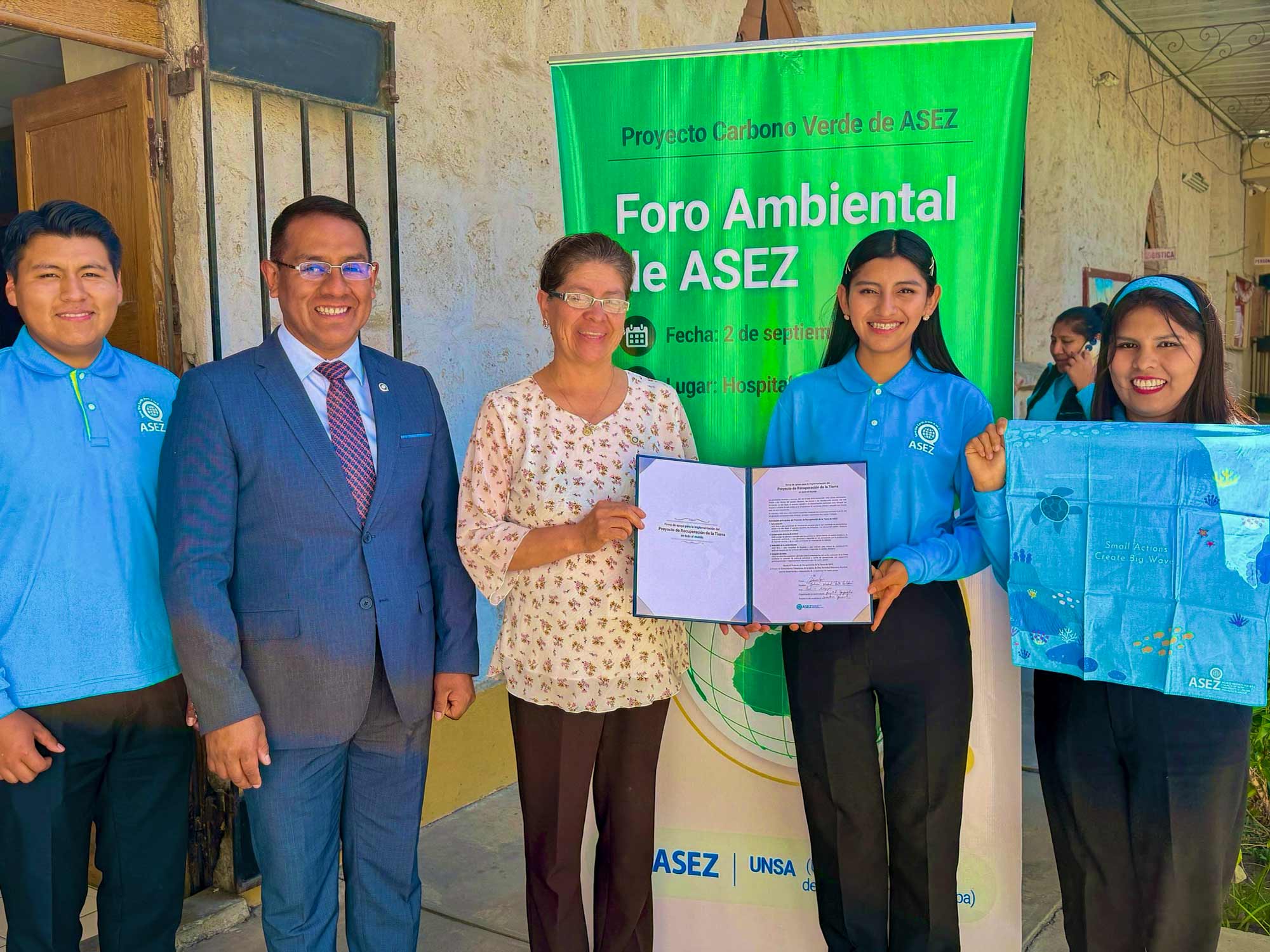
On September 2, a green carbon environmental seminar was held in celebration of Tree Day at the auditorium of Hospital III Goyeneche in Arequipa. The event brought together 114 participants, including university students, local community representatives, and distinguished guests such as Ana María Gutiérrez Valdivia, Vice Governor of the Arequipa Region.
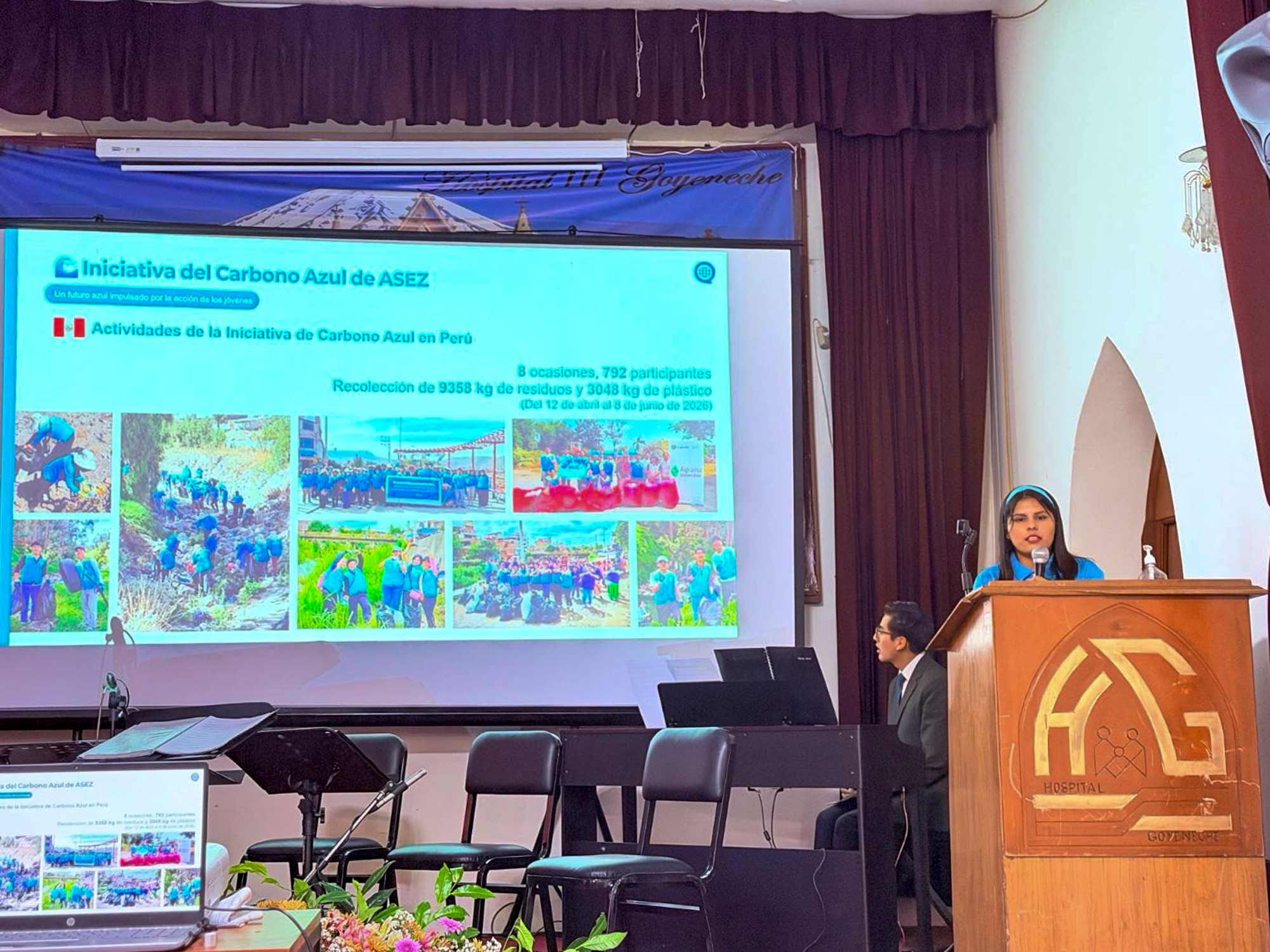
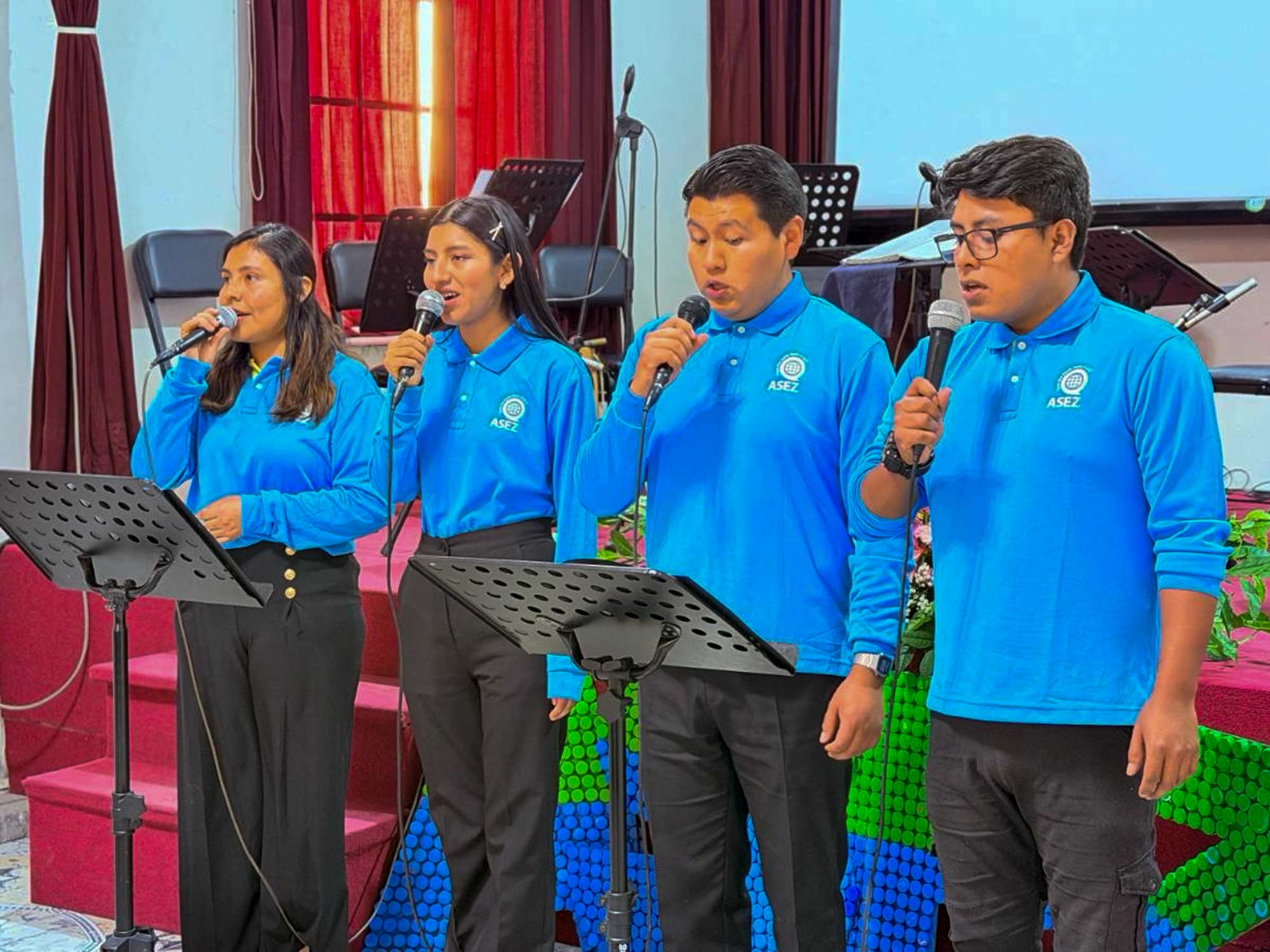
After watching a video introducing ASEZ’s activities, participants attended presentations on the importance of trees and forests and the roles of young people and local communities in environmental protection. Performances by an ASEZ vocal ensemble and an ASEZ string quartet also helped convey the message of environmental protection through music.
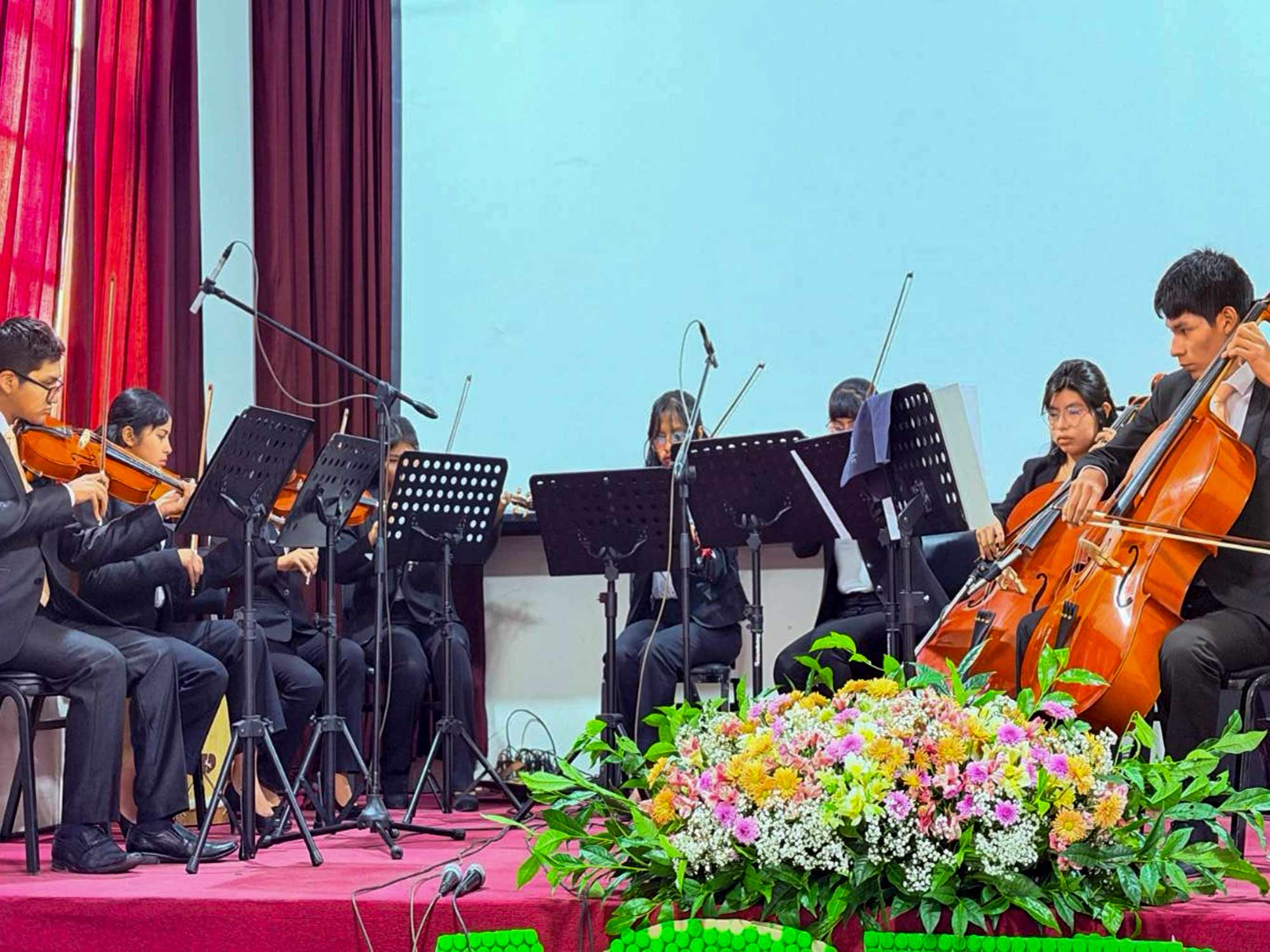
Vice Governor Ana María Gutiérrez Valdivia expressed her appreciation, saying, “Thank you to all the university students who have carried out various activities for the environment. Your example inspires all of us to protect biodiversity and the environment.”
During the event, participants also signed statements of support for ASEZ’s Earth Recovery Project. Local news outlet HBA Noticias reported on the seminar and the students’ environmental activities.
The following day, September 3, ASEZ continued its hands-on activities in Sachaca. In cooperation with the Sachaca District Municipality, volunteers planted approximately 100 additional trees.
In total, approximately 330 trees were planted in Faucett and Arequipa around Peru’s Tree Day. Since 2018, ASEZ members in Peru have continued working with local communities to plant trees, bringing the total number planted to 3,693. Through this year’s activities, ASEZ combined tree planting with environmental education, promoting both awareness and practical action for environmental protection.
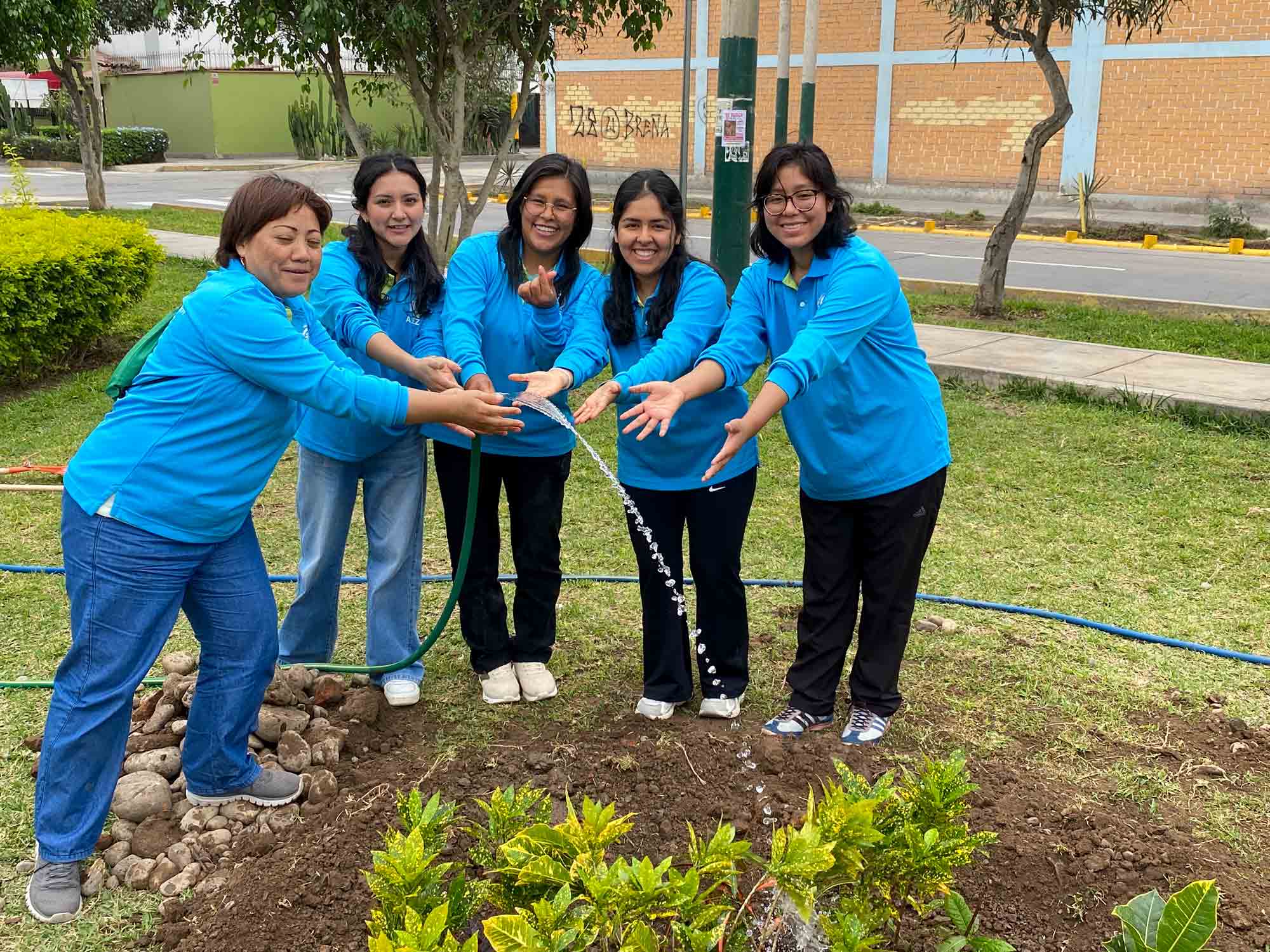
By combining efforts to protect trees and terrestrial ecosystems with environmental education, these activities align with Sustainable Development Goal (SDG) 15, “Life on Land.” The cooperation among university students, local governments, and communities also reflects SDG 17, “Partnerships for the Goals.”
ASEZ will continue creating opportunities for university students to identify environmental issues in their communities and take part in practical environmental protection activities in cooperation with local residents.