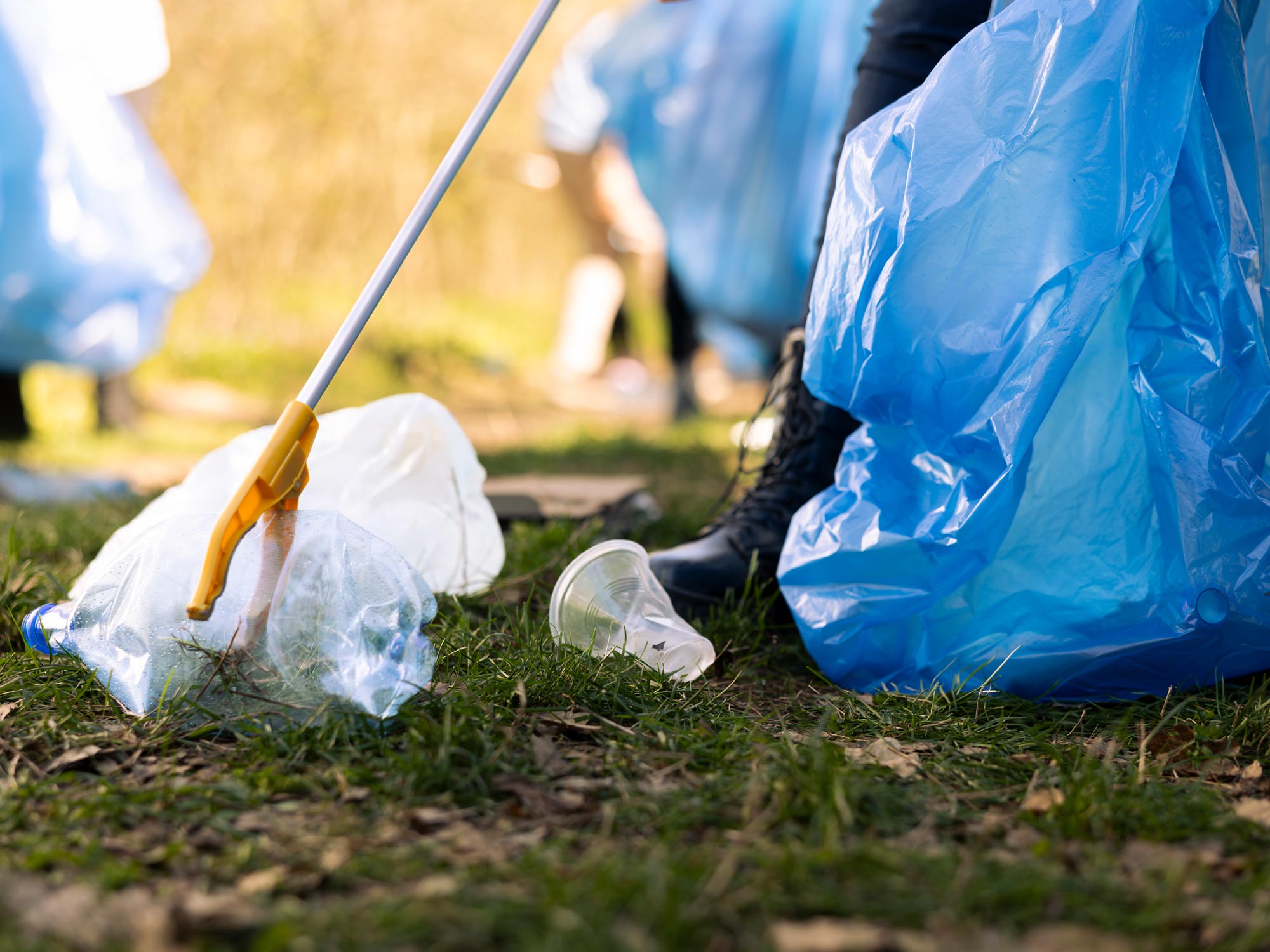
World Cleanup Day is the world’s largest environmental movement, bringing together citizens across borders and cultures to voluntarily take action to address the global waste problem.[1] Since the United Nations officially designated September 20 as World Cleanup Day, the observance has become a platform for global solidarity in responding to environmental issues. In 2026, World Cleanup Day marks its ninth year, with people around the world joining together to protect the environment.

An Environmental Crisis Born from Abandoned Waste
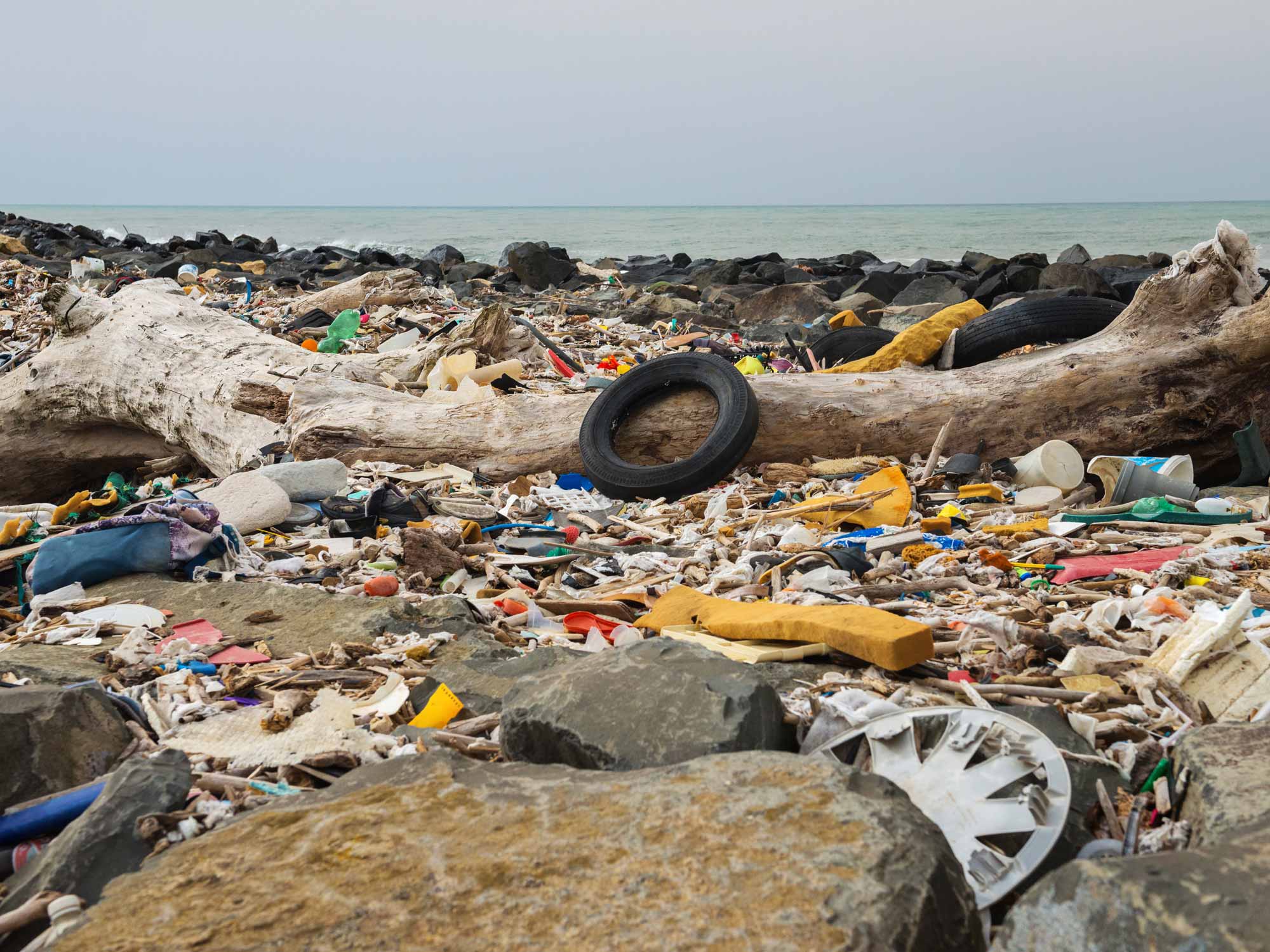
In the latter half of the 20th century, rapid industrialization and mass consumption caused human-generated waste to quietly grow into a serious threat, often out of sight. In 1978, it was discovered that approximately 20,000 tons of industrial waste, buried decades earlier by a chemical company at what later became a residential area near Niagara Falls, New York, was leaking to the surface and contaminating the soil and groundwater. As residents reported cases of cancer, miscarriages, and birth defects, the incident became known as the Love Canal disaster. It went down in history as one of the worst chemical waste disasters in the United States and ultimately led to the establishment of the Superfund law for cleaning up hazardous waste sites.[2] The threat, however, was not confined underground. Beginning in the 1990s, the rapid rise in single-use plastic consumption left oceans around the world increasingly burdened with discarded waste. In 1997, a vast accumulation of marine debris known as the Great Pacific Garbage Patch (GPGP) was discovered in the middle of the Pacific Ocean. Captain Charles Moore’s expedition reports and subsequent research brought global attention to the reality that tiny fragments of plastic were threatening marine ecosystems and food chains.[3] These incidents made it clear to the world that waste is not merely something to be discarded, but a serious environmental hazard that can directly threaten both ecosystems and human health.
The Rise of a Citizen-Led Movement
This growing sense of urgency led to the recognition that government measures focused solely on enforcement and penalties had their limits, giving rise to calls for citizens themselves to take action. In 2008, such a movement began in earnest in Estonia. The civic group Teeme Ära (“Let’s Do It!”) mobilized 720 volunteers to locate and map around 10,000 illegal dumping sites across the country using mobile-phone GPS technology. On the day of the campaign, approximately 50,000 people—about 5% of Estonia’s population—took part and collected 10,000 tons of waste in just five hours. Had the government handled the task through conventional procedures, it would have taken three years and cost EUR 22.5 million.[4]
What began as a voluntary civic initiative soon spread around the world under the leadership of the international nongovernmental organization Let’s Do It World. On September 15, 2018, the first official World Cleanup Day campaign was held, bringing together 18 million people in 157 countries.[5] In 2023, the United Nations General Assembly officially designated World Cleanup Day as an international observance, further establishing it as a symbol of global solidarity.
According to the organizers, since 2018, approximately 139 million people across 212 countries and territories have participated in the movement, representing about 1.7% of the world’s population.[5] Most recently, in 2025 alone, 25 million volunteers in 190 countries took part in World Cleanup Day. What began with the actions of 50,000 citizens in a small country has, in just 17 years, grown into an annual global event that brings together countries home to half of the world’s population.

Toward Sustainable Change
Let’s Do It World is promoting its “Strive for Five” campaign, which aims to engage 5% of each country’s population in cleanup activities. The initiative draws on social science research suggesting that when active participation reaches a critical threshold, it can lead to broader behavioral change across society.[6] Let’s Do It World has also joined forces with EARTHDAY.ORG, the international environmental organization behind Earth Day, to call for a 60% reduction in global plastic production by 2040 and the adoption of a legally binding international treaty on plastic pollution.[7] What began as a one-day initiative has grown into one of the world’s largest environmental campaigns, demonstrating that change does not have to begin with a grand commitment—it can start with a small action. One piece of litter I pick up on campus today, or one less disposable item I use, can join countless other small actions to create a powerful wave of change around the world.