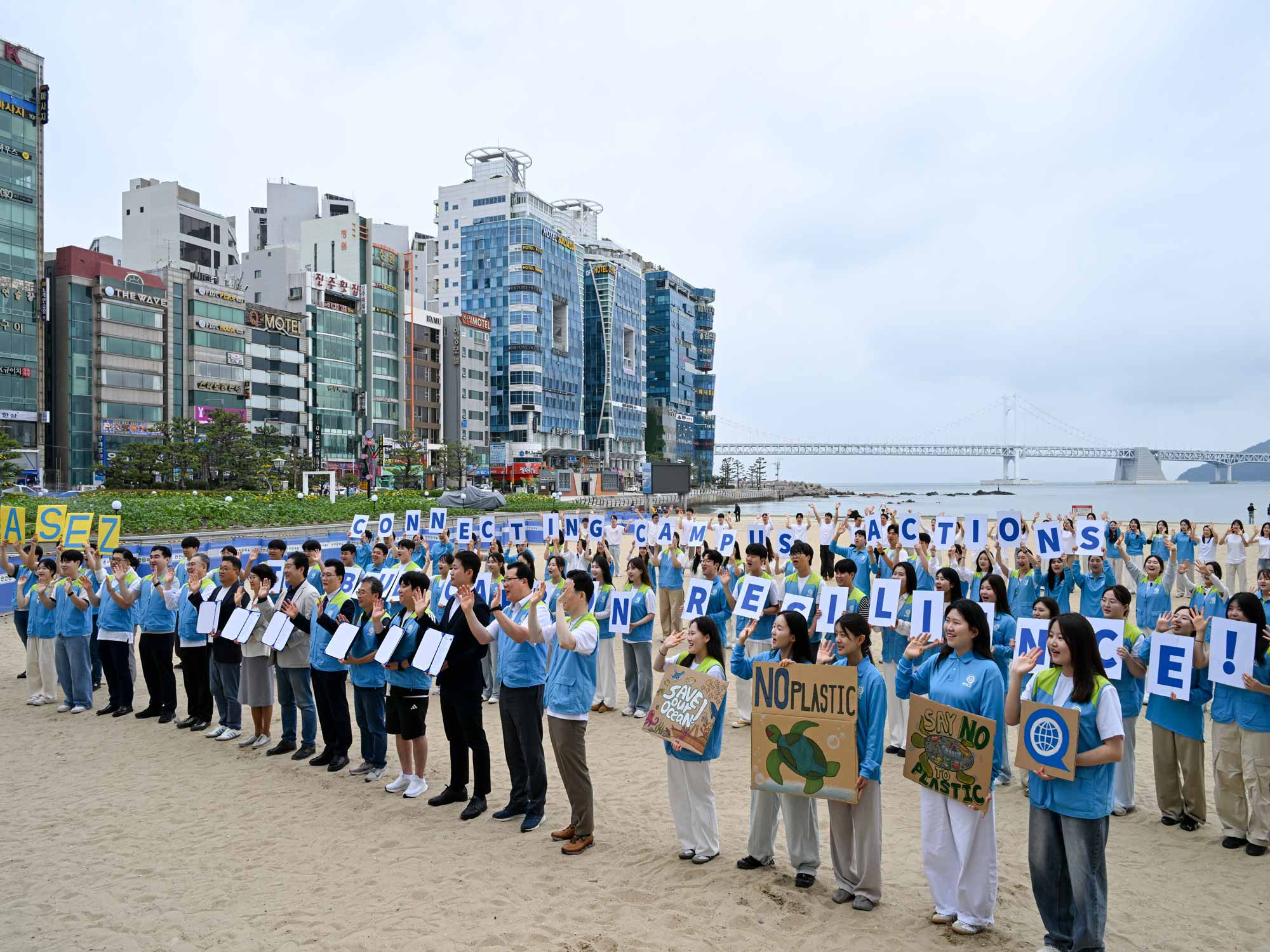
On the morning of June 7, university students gathered at Gwangalli Beach in Busan. About 120 ASEZ members from Dong-eui University, Kyungsung University, Tongmyong University, Pukyong National University, and other universities walked along approximately 6 kilometers (4 miles) of coastline, collecting plastic and household waste left along the shore. Their efforts to protect blue carbon ecosystems began right where the land meets the sea.
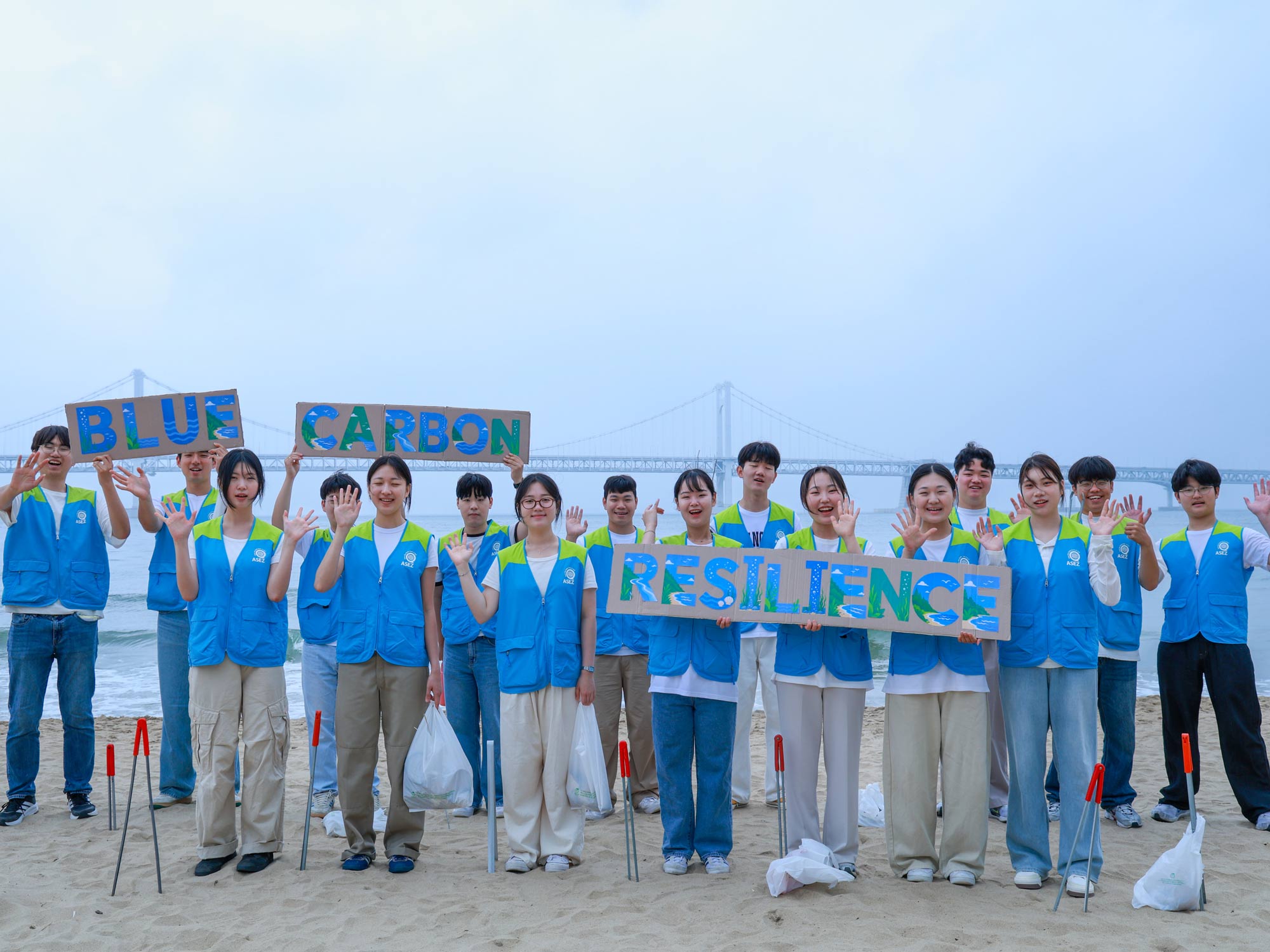
That day, ASEZ held the ASEZ Blue Carbon Ecosystem Cleanup and Campaign 2026 at Gwangalli Beach. The event began with an opening ceremony introducing the value of blue carbon ecosystems and the need to protect them, followed by a cleanup and public awareness campaign.
Local officials and community leaders, including representatives from Suyeong-gu in Busan, district council members, and university professors, attended the opening ceremony to support and encourage the approximately 120 ASEZ university students from Dong-eui University, Kyungsung University, Tongmyong University, Pukyong National University, and other institutions. The Suyeong-gu District Office and the Millak-dong Administrative Welfare Center supported the activity by providing 50 waste collection sacks and other cleanup supplies.
Following the opening ceremony, ASEZ members carried out a cleanup along approximately 6 kilometers (4 miles) of coastline around Gwangalli Beach. They collected discarded plastic and household waste, including single-use plastic cups and straws, food packaging, and plastic bags. A total of 785 kilograms (1,730 pounds) of waste was collected that day, of which 562 kilograms (1,239 pounds) was plastic.
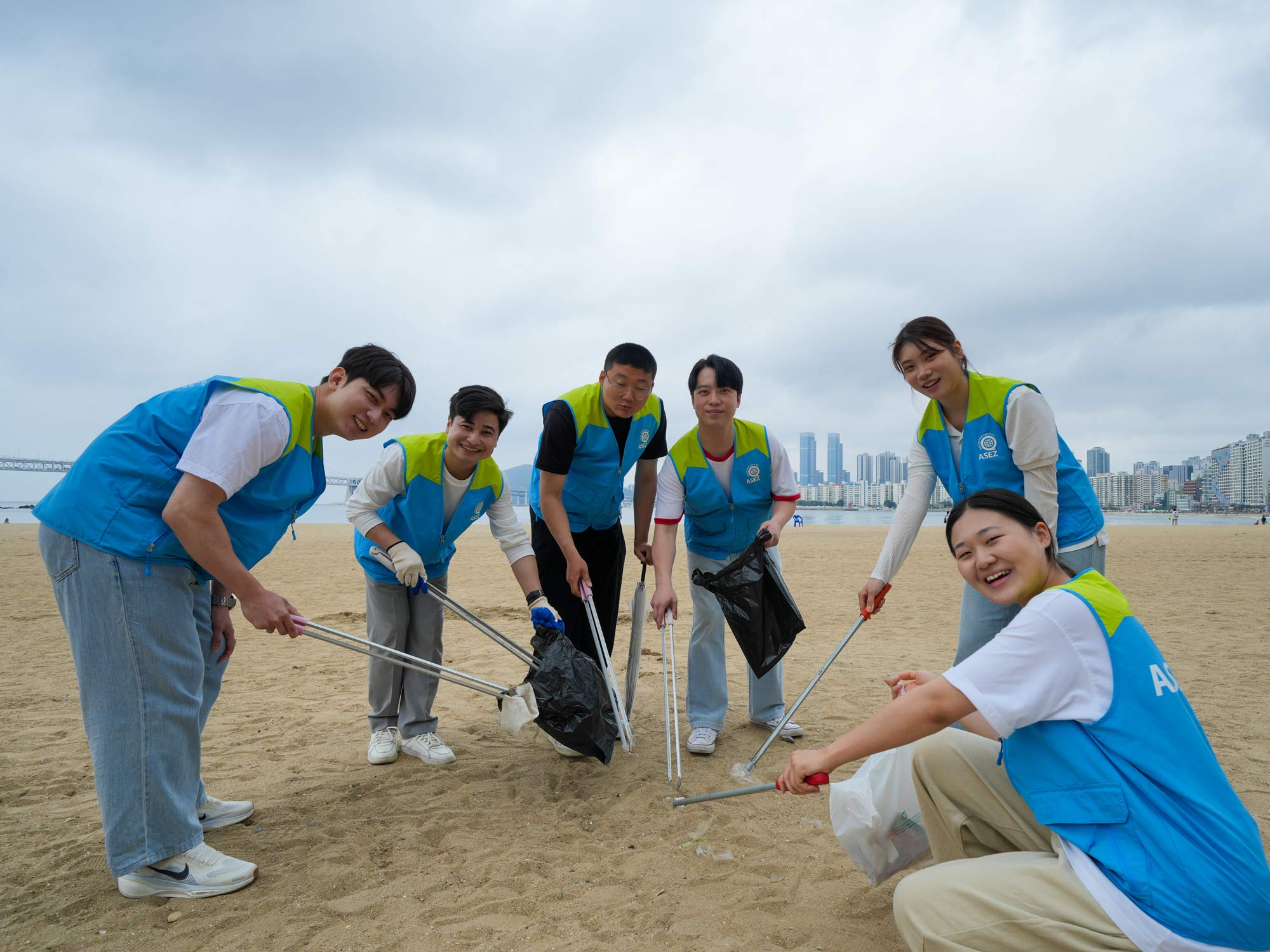
One ASEZ member said, “At the site, I saw firsthand how the plastic we use and throw away can travel through rivers and waterways and eventually reach the coast and the ocean. It was meaningful to take part in an activity that helps protect the sea.”
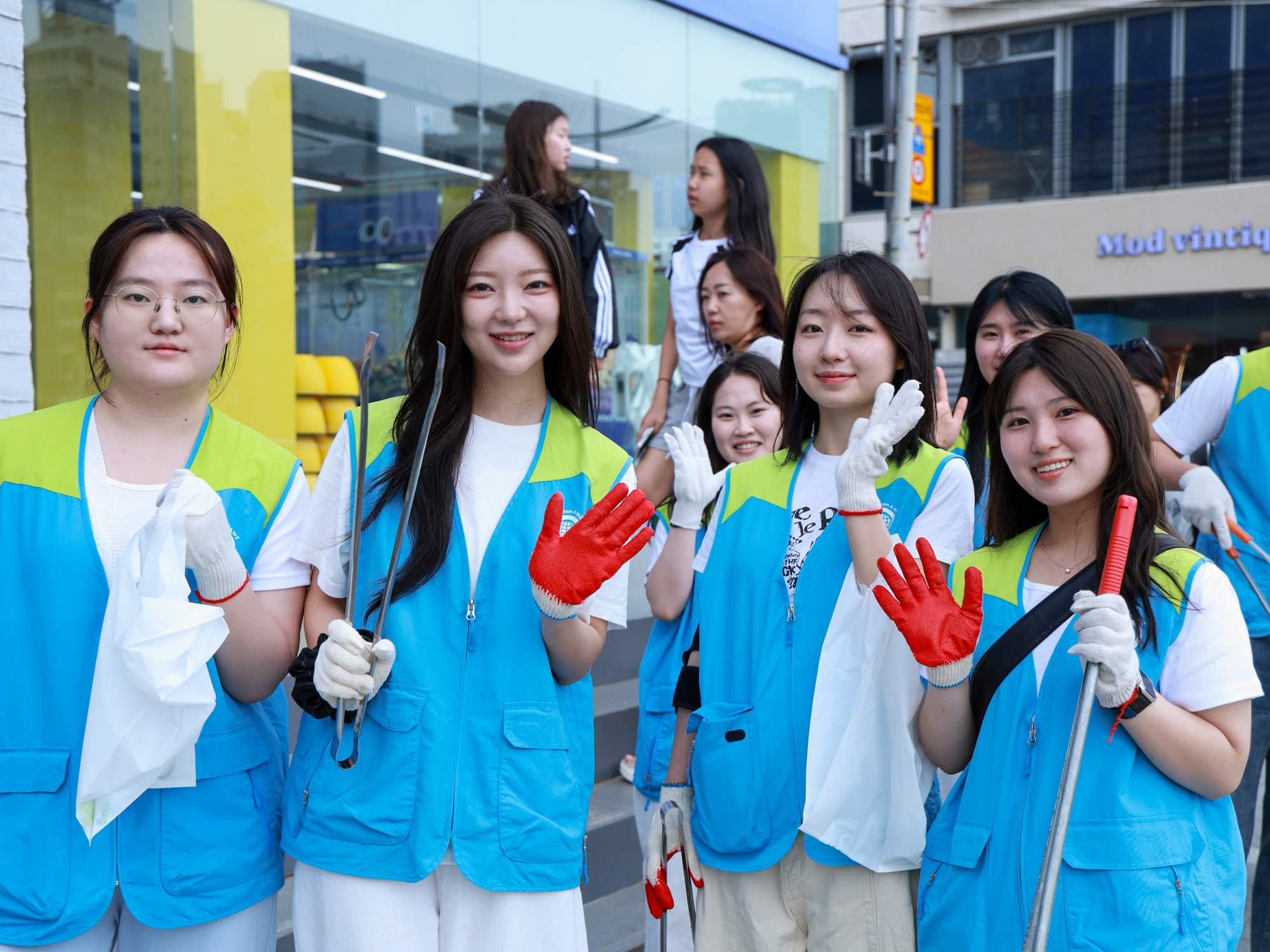
Alongside the cleanup, ASEZ also conducted a campaign at Gwangalli Beach to inform citizens about the extent of plastic pollution and the value of blue carbon ecosystems. Blue carbon refers to carbon absorbed and stored by marine and coastal ecosystems such as mangroves, salt marshes, and seagrass meadows. These ecosystems store carbon for long periods not only in vegetation but also in soils and sediments, playing an important role in addressing climate change and conserving biodiversity.
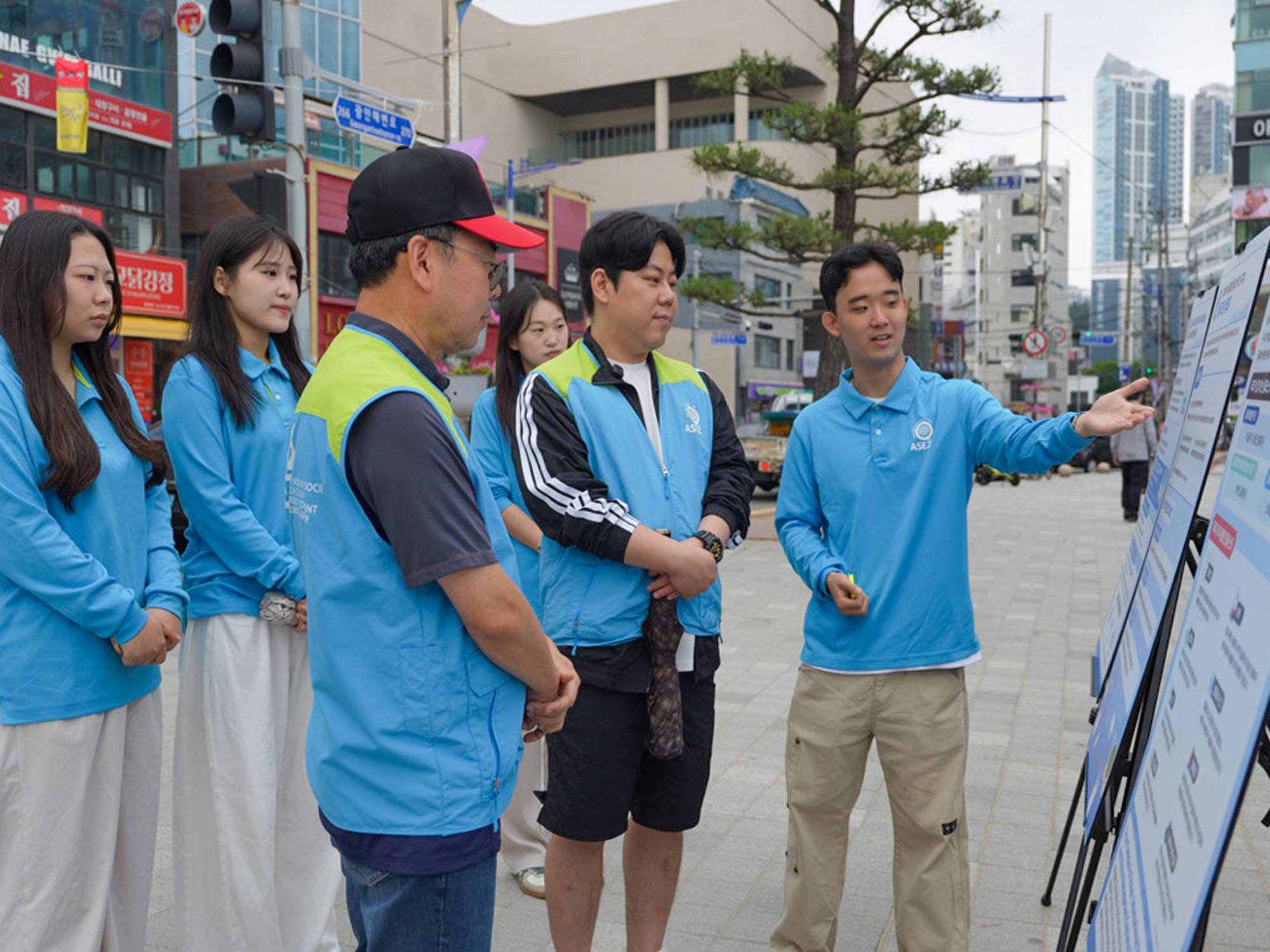
Using informational panels, ASEZ members explained the connection between plastic pollution and marine ecosystems and shared with citizens the importance of reducing plastic use in everyday life. Another ASEZ member said, “I realized that direct participation by citizens is essential if we are to create a society free from plastic pollution.”
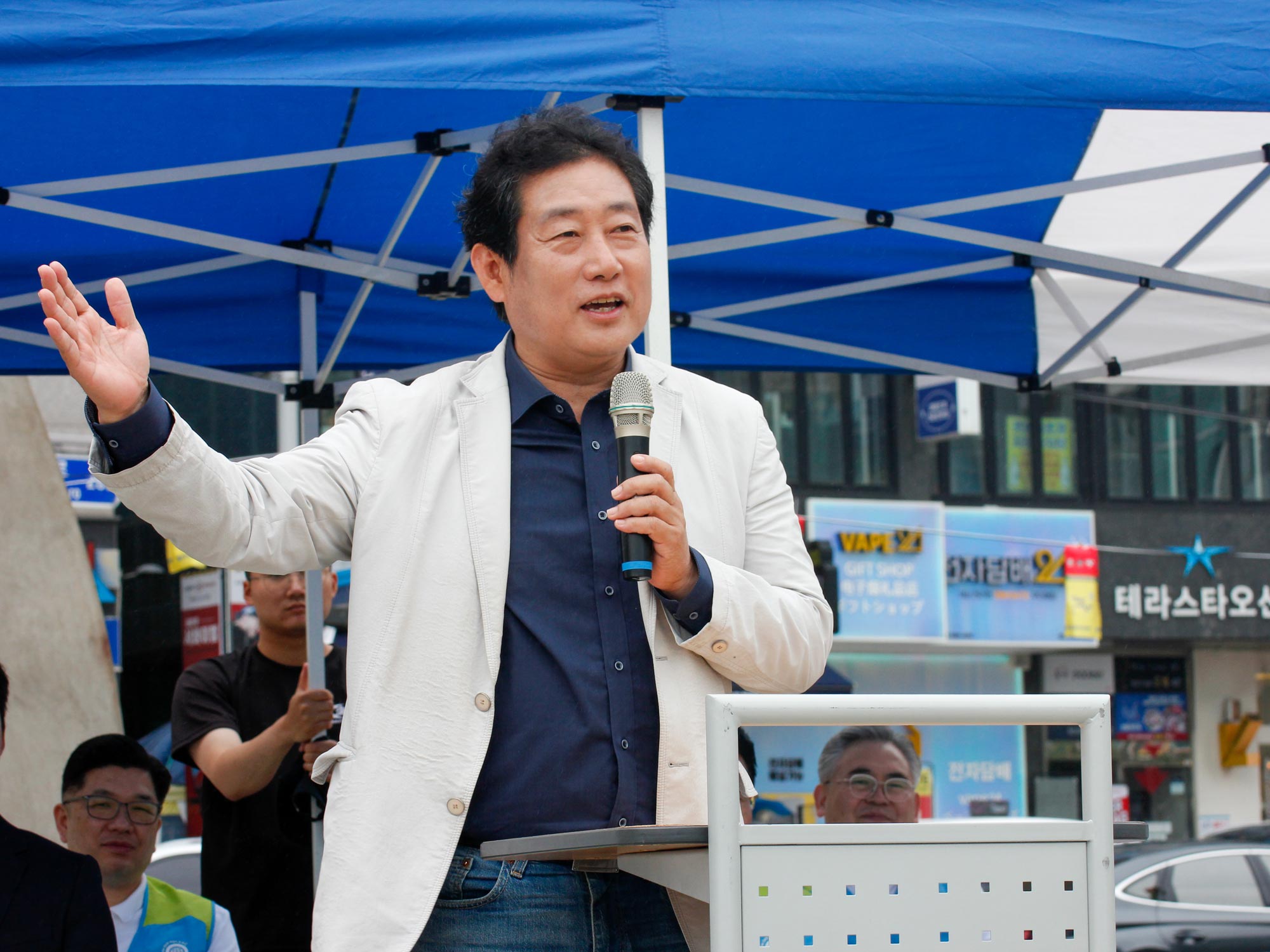
Professor Yoo Dong-chul encouraged the students, saying, “I believe the blue carbon ecosystem protection activities that ASEZ members have consistently carried out year after year will make a significant contribution to protecting the Earth. I will continue to support your efforts.”

At the event, six people also added their signatures in support of ASEZ’s efforts to protect blue carbon ecosystems. The students’ efforts went beyond beach cleanup, raising awareness among local residents and the broader community about the importance of protecting marine ecosystems. The activity was also covered by local media.
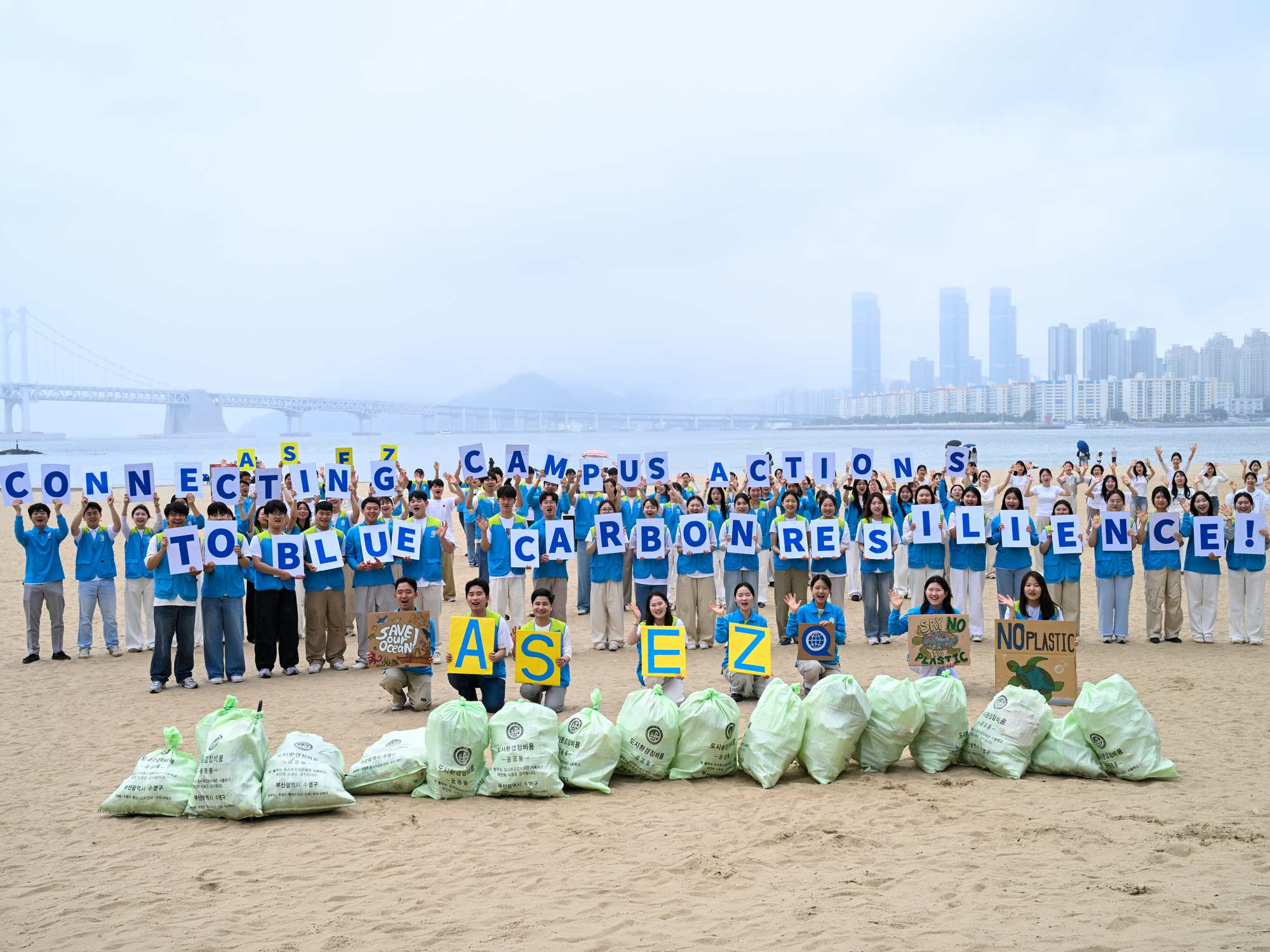
The Gwangalli activity provided an opportunity for university students in Busan to turn the global challenges of climate change and marine ecosystem protection into concrete action within their own community. About 120 ASEZ members walked the 6-kilometer (4-mile) stretch of coastline, removing plastic waste and informing citizens about the value of blue carbon, while contributing to efforts to protect the ocean.
Building on this activity, ASEZ members plan to continue reducing plastic use in their daily lives and taking action to prevent marine pollution, while further expanding efforts to raise awareness of the importance of blue carbon ecosystems and protect them.