The Meaning of the Ramsar Convention
On February 2, 1971, a historic meeting for the future of the global ecosystem was held in Ramsar, Iran. The “Ramsar Convention” adopted there was established to protect and ensure the wise use of wetlands worldwide. It marked the first step as the only intergovernmental environmental treaty focused on a specific ecosystem. [1]
The Convention aims to prevent the destruction of wetlands—often called the “treasure houses of ecosystems”—and to conserve biodiversity. Since it officially entered into force on December 21, 1975, 173 countries, including the Republic of Korea, have joined as Contracting Parties, continuing conservation efforts beyond national borders. [2]
In particular, to commemorate the historic date of its adoption, February 2 each year has been designated as World Wetlands Day. This day holds great significance as it reminds humanity of the ecological value of wetlands—often overlooked—and calls for a future in which nature and people coexist in harmony.
The Functions of Wetlands
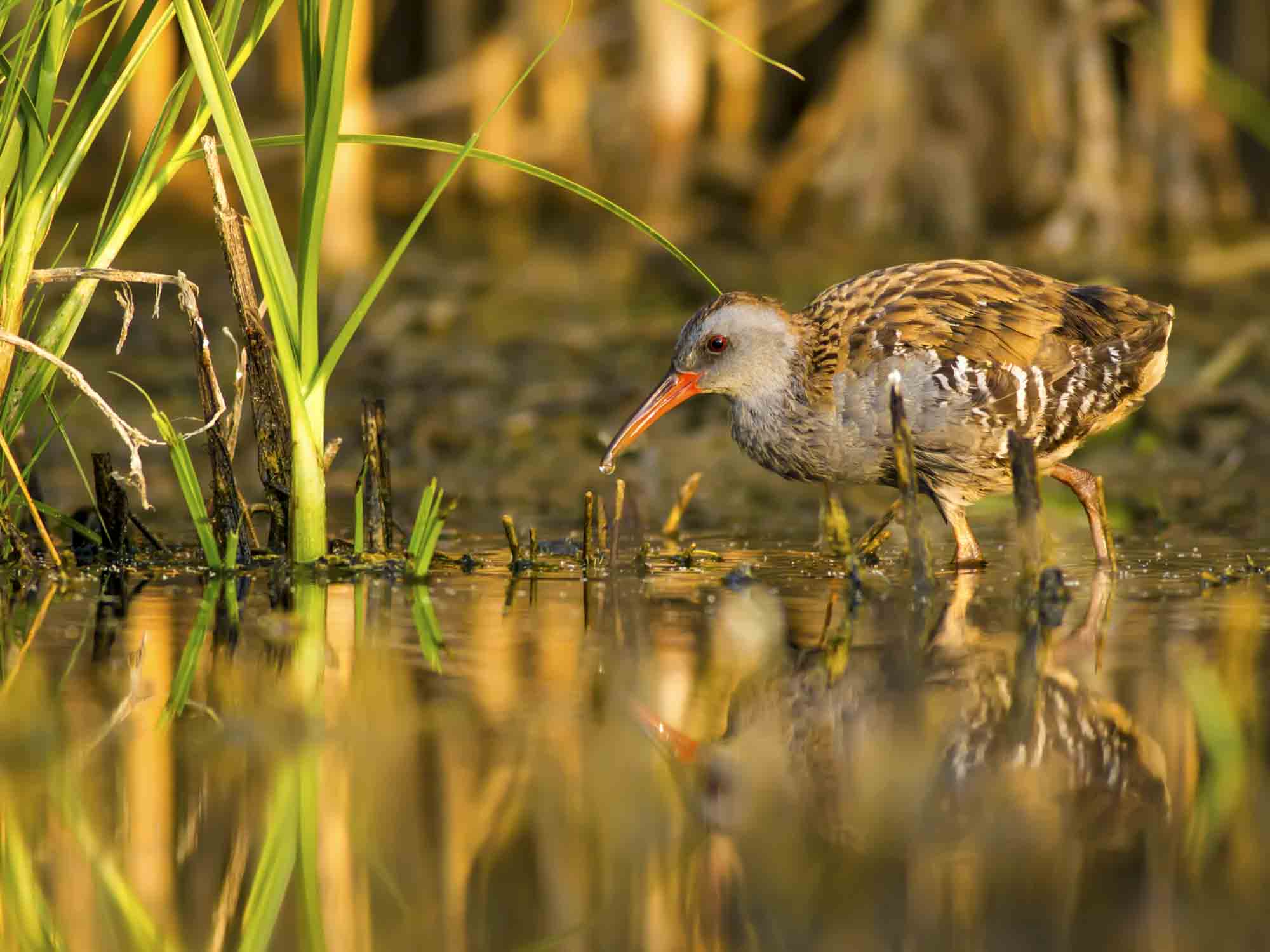
Wetlands are like vast treasure houses where countless forms of life are born and nurtured. In fact, about 40% of the world’s species live and breed in wetlands, enriching the global ecosystem. [3]
The small organisms and plants that inhabit wetlands act as natural filters, removing pollutants flowing into rivers and seas. As a result, contaminated water becomes purified, and nature gains the strength to restore itself.
Wetlands also have an exceptional ability to regulate water flow. During heavy rainfall, they function like giant sponges, absorbing large amounts of rainwater and preventing sudden floods. Conversely, during droughts, they gradually release stored water, helping surrounding ecosystems avoid drying out. [4]
Coastal wetland vegetation serves as a strong shield against rough waves, preventing shoreline erosion. Ultimately, wetlands form one of the most reliable foundations supporting both human life and the balance of nature, often in ways that are not immediately visible to us. [5]
Climate Change and the Crisis Facing Wetlands
However, these invaluable wetlands are disappearing at a rate three times faster than forests. [6]
Since the 1970s, approximately 22% of the world’s wetlands have been lost. This is not solely due to urban development. A more fundamental and immense threat is sea-level rise caused by climate change. As sea levels rise, coastal wetlands such as tidal flats naturally attempt to migrate inland to areas less affected by flooding. The problem is that cities, roads, and levees built along coastlines act as massive barriers, blocking wetlands from retreating. With rising seas advancing from the front and concrete structures blocking the back, wetlands eventually have nowhere to go and become submerged. Scholars refer to this phenomenon as “coastal squeeze,” warning that the climate crisis is one of the most critical factors suffocating wetlands. [7]
When wetlands disappear, it means that one of nature’s most powerful climate regulation systems comes to a permanent halt.
Blue Carbon and Our Actions
The remarkable carbon absorption capacity of wetlands—known as blue carbon—is gaining attention as a new solution to the climate crisis. Coastal wetlands such as tidal flats and salt marshes absorb atmospheric carbon at rates far exceeding those of tropical rainforests and store it deep in the soil for long periods. To protect this precious potential, ASEZ, the university student volunteer group of the World Mission Society Church of God, is creating change through the ABC (ASEZ Blue Carbon) Campaign. A representative example is its blue carbon ecosystem cleanup activities, which have been carried out approximately 47 times across 12 countries worldwide. [8]
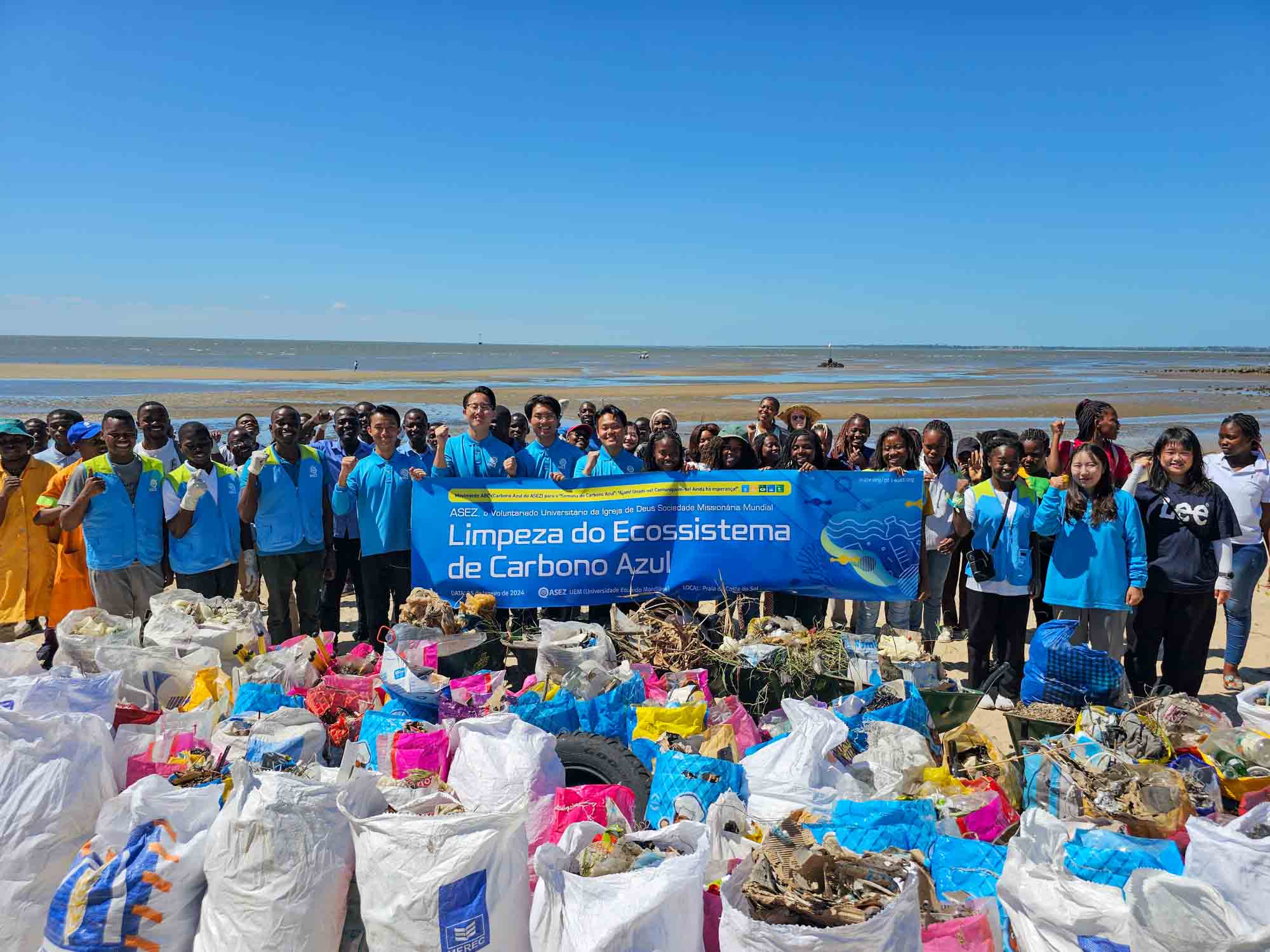
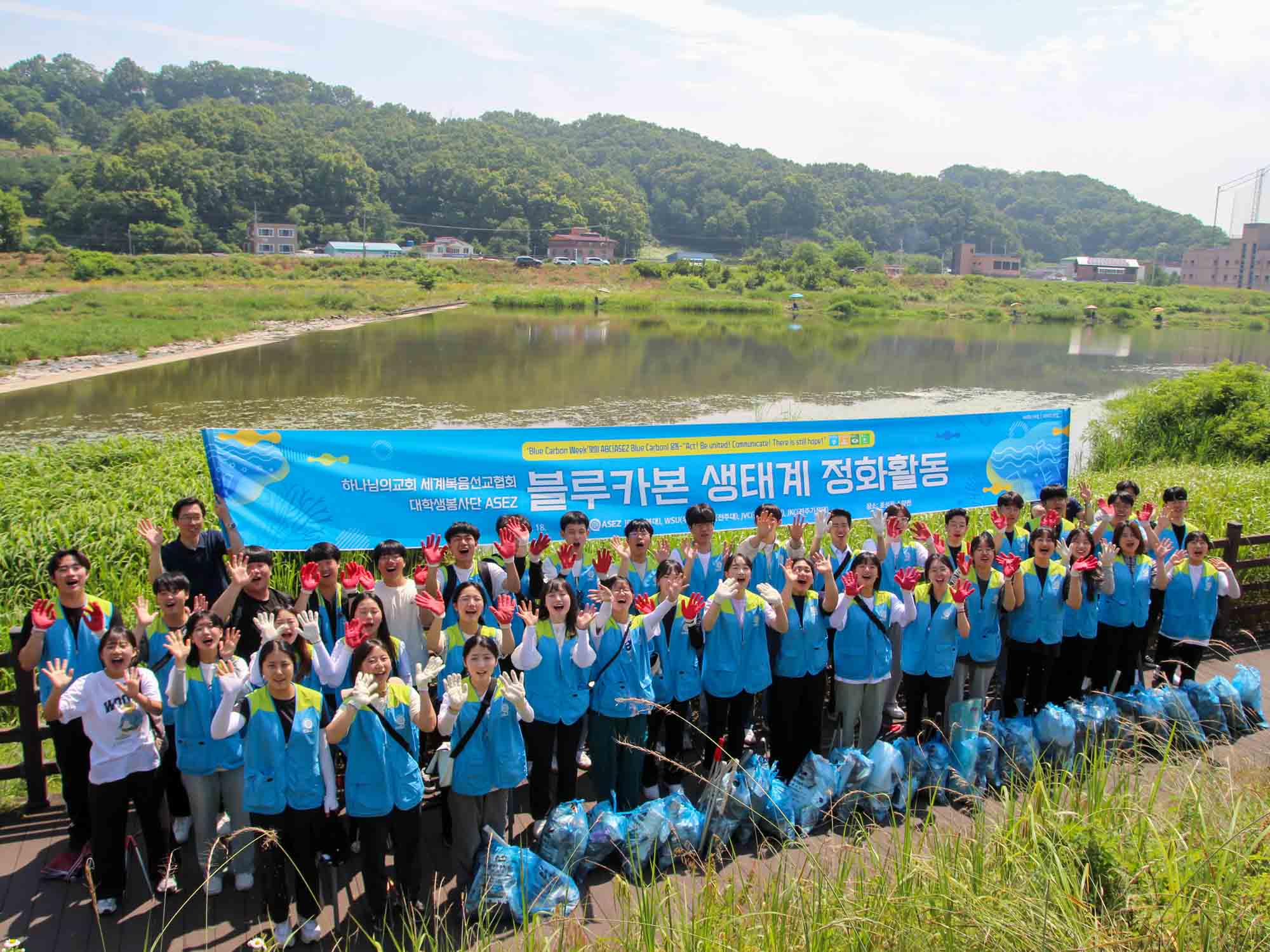
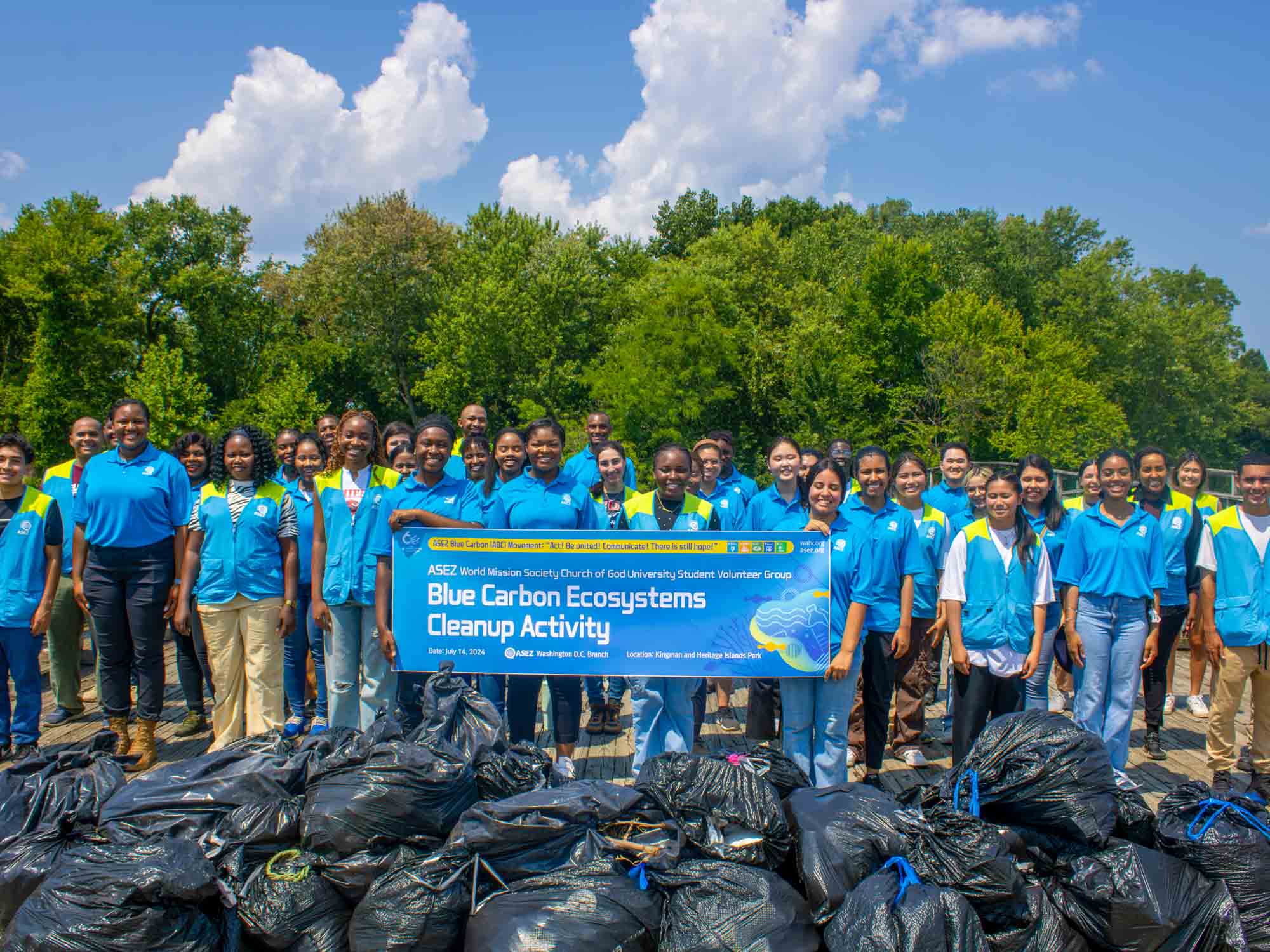
ASEZ takes the lead in collecting plastic waste washed ashore that interferes with the natural functioning of wetlands, helping damaged ecosystems fully recover. These activities not only put into action the coexistence with wetlands emphasized by the Ramsar Convention but also serve as meaningful efforts to restore nature’s self-purifying capacity.
The theme of World Wetlands Day 2026 is “Wetlands and Traditional Knowledge.” Going beyond a literal examination of knowledge passed down from the past, the ABC Campaign represents an effort to protect tomorrow’s ecosystems based on those lessons. Until wetlands remain not as disappearing landscapes but as enduring blue assets that coexist with humanity, our attention and action must continue.