Forests as Green Infrastructure
March 21 each year is the “International Day of Forests,” designated by the United Nations. [1]
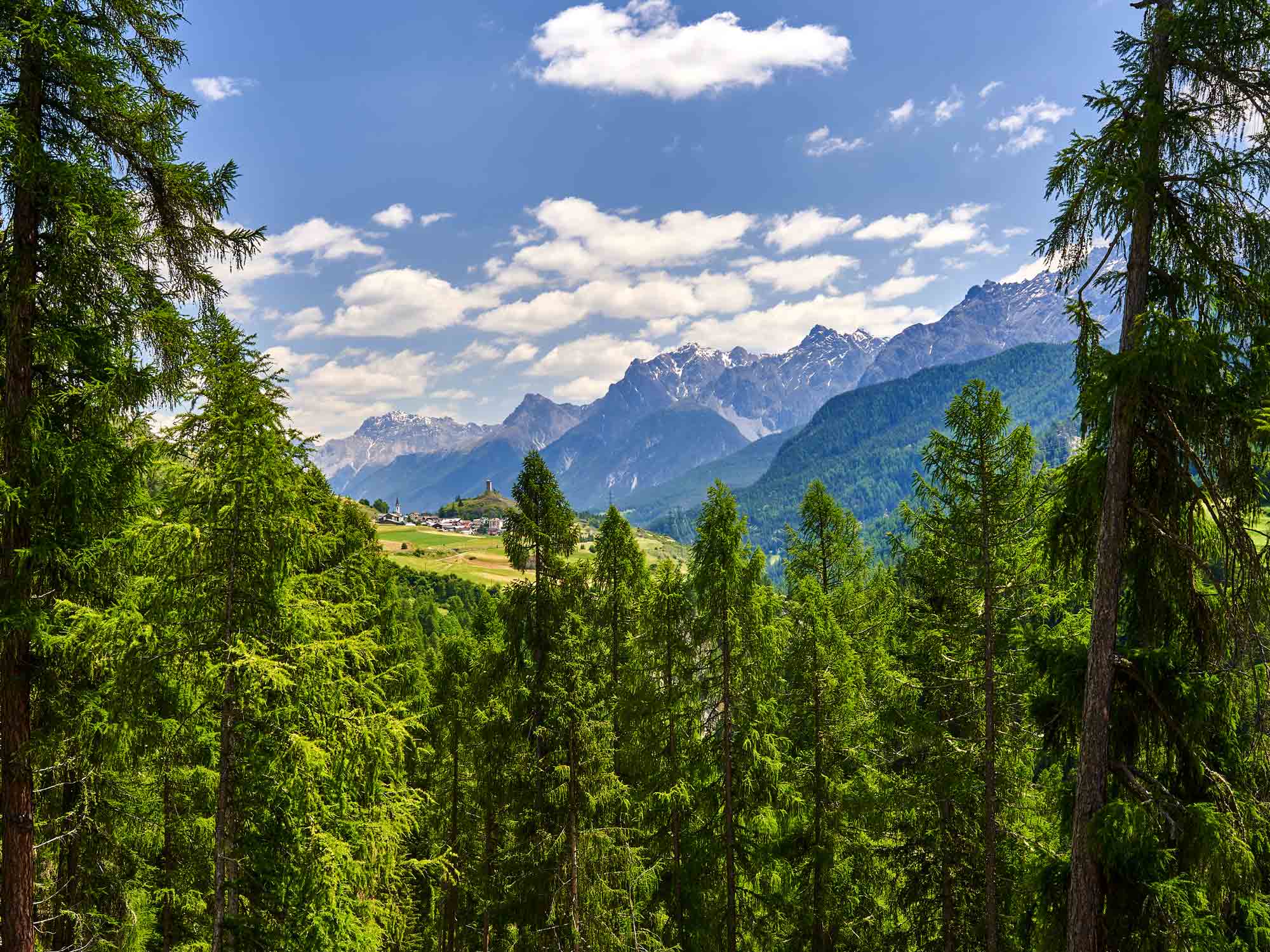
Established by a resolution of the UN General Assembly in 2012, this day was created to highlight the value of forests—essential for human survival—and to encourage global participation in forest conservation. When people think of forests, they often associate them only with places that provide fresh air and relaxation. However, the impact of forests on our lives goes far beyond simple emotional comfort. Forests are vast “green infrastructure” that sustain both human daily life and industry. They not only supply essential resources such as timber, but also act as natural dams by absorbing rainwater and gradually releasing it, thereby regulating water resources. [2]
In this way, forests serve as the lungs of the ecosystem and a vital source of resources that drive the global economy. It is now time to shift our perspective and recognize forests as key assets that shape the future of humanity and the economy.
Forest Resources that Sustain the Economy
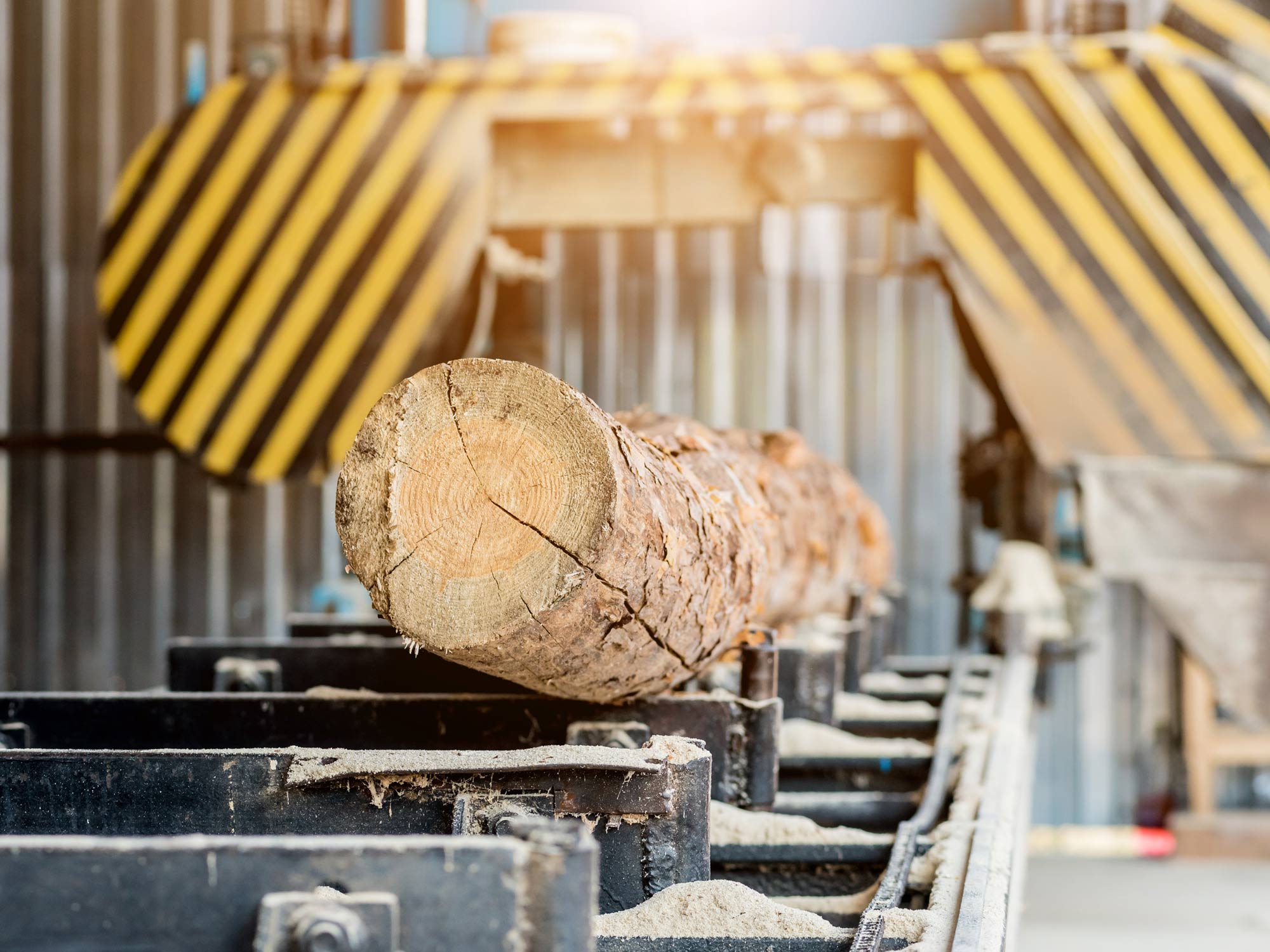
Forests around the world generate immense economic value. In fact, according to the World Economic Forum (WEF), the global economy that depends on nature and ecosystem services—including forests—amounts to more than half of the world’s GDP (approximately USD 44 trillion). [3] From timber for construction and raw materials for paper to essential ingredients used in household goods and pharmaceuticals, most foundational materials across industries originate from forests.
However, the true value of forests does not end with providing these material resources. Forests also contain an invisible “ecological shield.” Tree roots stabilize the soil, preventing landslides and stopping soil from being washed away by rain and wind. Forests also filter and supply water essential for agriculture, industry, and everyday life.

What would happen if forests suddenly disappeared? Replacing the natural systems of water management and disaster prevention performed by forests with artificial infrastructure would require astronomical costs. Oxygen levels would decline, land would become desertified, leading to food shortages, and severe floods and droughts would occur repeatedly each year. [4]
Therefore, preserving healthy forests is like securing the most reliable safeguard to prevent the collapse of human life and the global economy.
Carbon Neutrality and National Competitiveness
In today’s reality of climate crisis, forests are gaining renewed attention as a key factor that determines a nation’s competitiveness, going beyond their role as simple resource providers. This is because achieving carbon neutrality—a global imperative—depends heavily on the carbon absorbed by forests, known as “green carbon.” Trees absorb carbon dioxide through photosynthesis, making forests one of the most effective carbon sinks for slowing climate change.
In fact, countries with tropical rainforests, such as Brazil and Indonesia, are leveraging the carbon absorption capacity of their forests as an asset. Through initiatives like REDD+ (Reducing Emissions from Deforestation and Forest Degradation), they actively attract international climate funding in exchange for preserving their forests. In this way, forests have become strategic tools that generate foreign revenue and strengthen a nation’s diplomatic standing. [5]

Global corporations are also paying close attention to this ecological value and are increasingly investing in forests. For example, Apple Inc., in partnership with Conservation International (CI), has established a USD 200 million restoration fund to invest in commercial forestry. Through this initiative, the company not only removes carbon from the atmosphere but also generates economic returns through timber production and carbon credits, creating a new business model. [6]
As such, forests are one of the most effective solutions for slowing the climate crisis. The ability to preserve and manage forests in a healthy state now directly reflects a nation’s competitiveness. Ultimately, nurturing forests is a survival strategy that safeguards a country’s future in the new economic era.
Actions for Forest Conservation
Now that we recognize the immense value of forests, it is time to take concrete action. While policy investments by governments and corporations are important, they must be accompanied by individual efforts in daily life to understand and protect forests. In particular, the proactive involvement of young people—the leaders of the future—in forest conservation brings us great hope. ASEZ, the University Student Volunteer Group is leading meaningful change through its “AGC (ASEZ Green Carbon) Campaign,” aimed at increasing the carbon absorption capacity of forests.
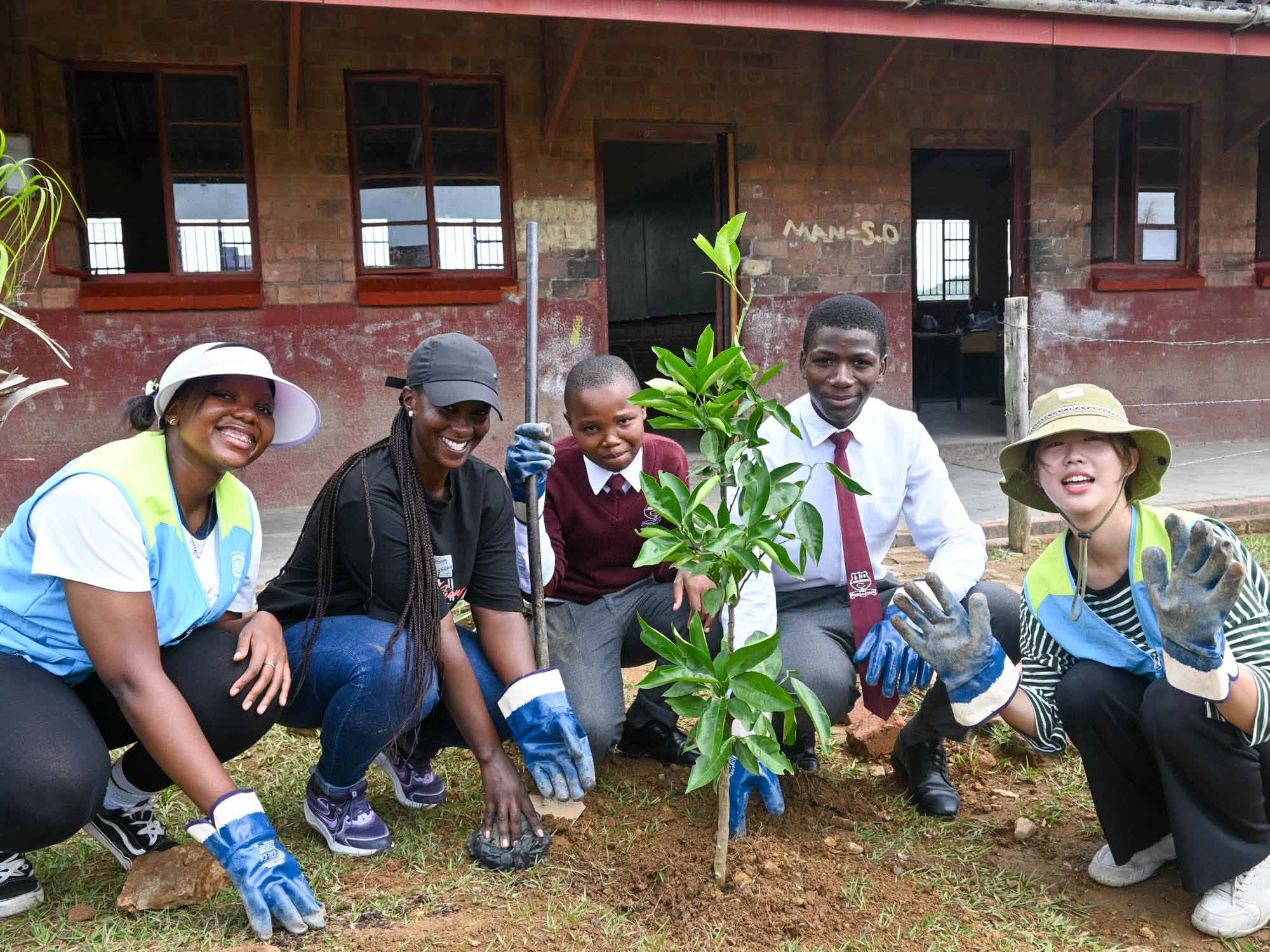

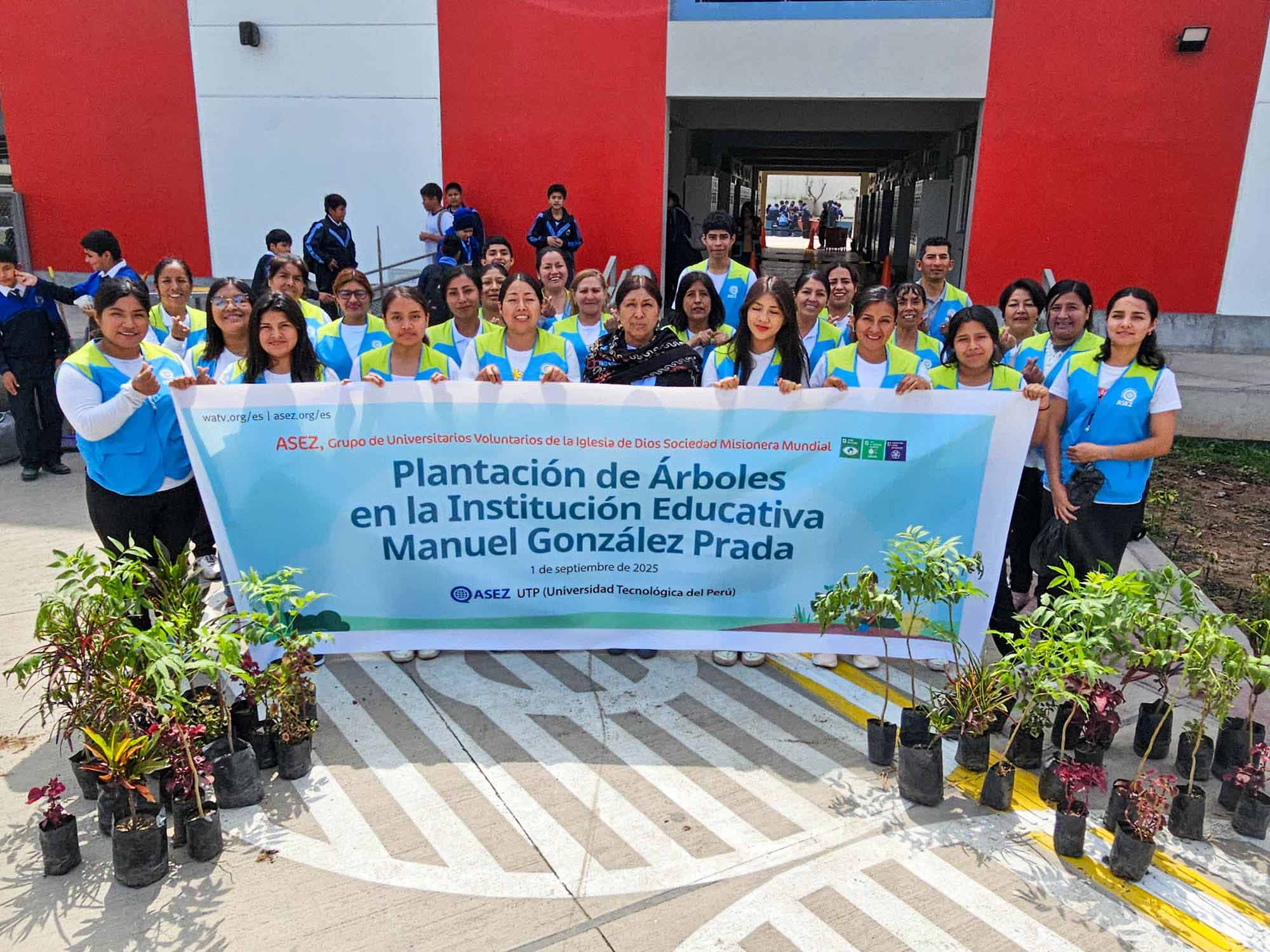
The true message of the International Day of Forests is that protecting forests is the most certain investment for ourselves and future generations. Every drop of sweat shed in planting trees and cleaning our surroundings reminds us that forests are essential foundations for coexistence with humanity. When consistent care and small actions to protect nearby mountains and trees come together, forests will continue to provide their green shade and steadfastly support our lives.