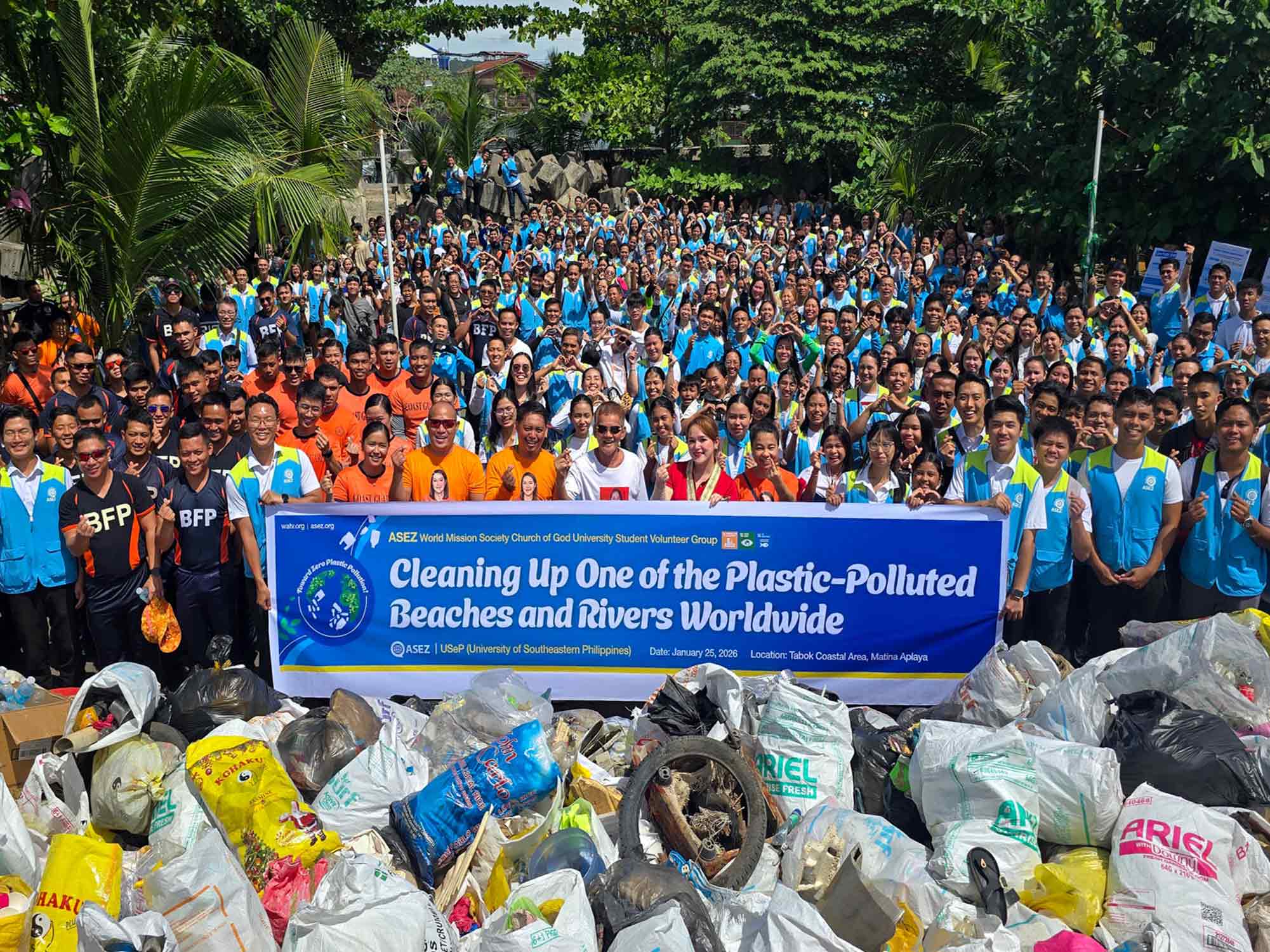
On January 25, a coastal cleanup activity was carried out at Tabok Beach in Davao City, Philippines, as part of the global environmental campaign “Zero Plastic 2040.”
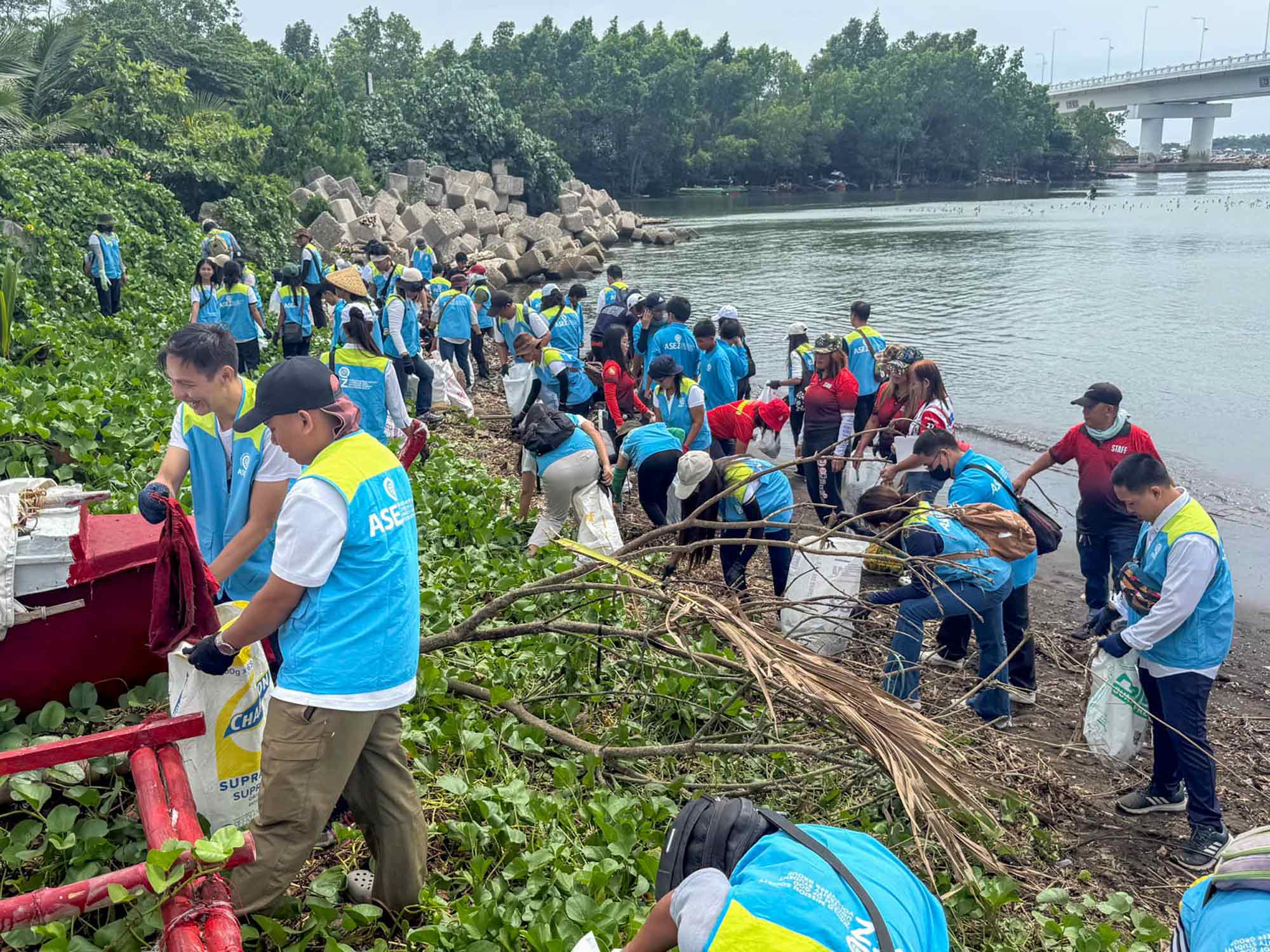
Approximately 300 ASEZ members from various cities, including Davao and Digos, participated in the event. Over the course of about two hours, participants collected various types of plastic waste—such as straws, cups, plastic bags, food packaging, and discarded tires—cleaning up the coastal area. Tabok Beach, located near a river mouth, is particularly vulnerable to frequent inflows of waste and floating debris. With around 1,200 nearby households, the area has long faced ongoing issues with plastic pollution. Following the cleanup, the once-polluted shoreline was visibly restored, and local residents who visited the site welcomed the change with bright smiles.
An ASEZ representative at the scene stated, “Plastic pollution is not just a local issue but a serious global environmental problem that must be addressed together. In line with international efforts to end plastic pollution, we are carrying out the “Zero Plastic 2040” campaign worldwide. We hope this activity will raise awareness about the severity of plastic pollution and encourage meaningful action.”
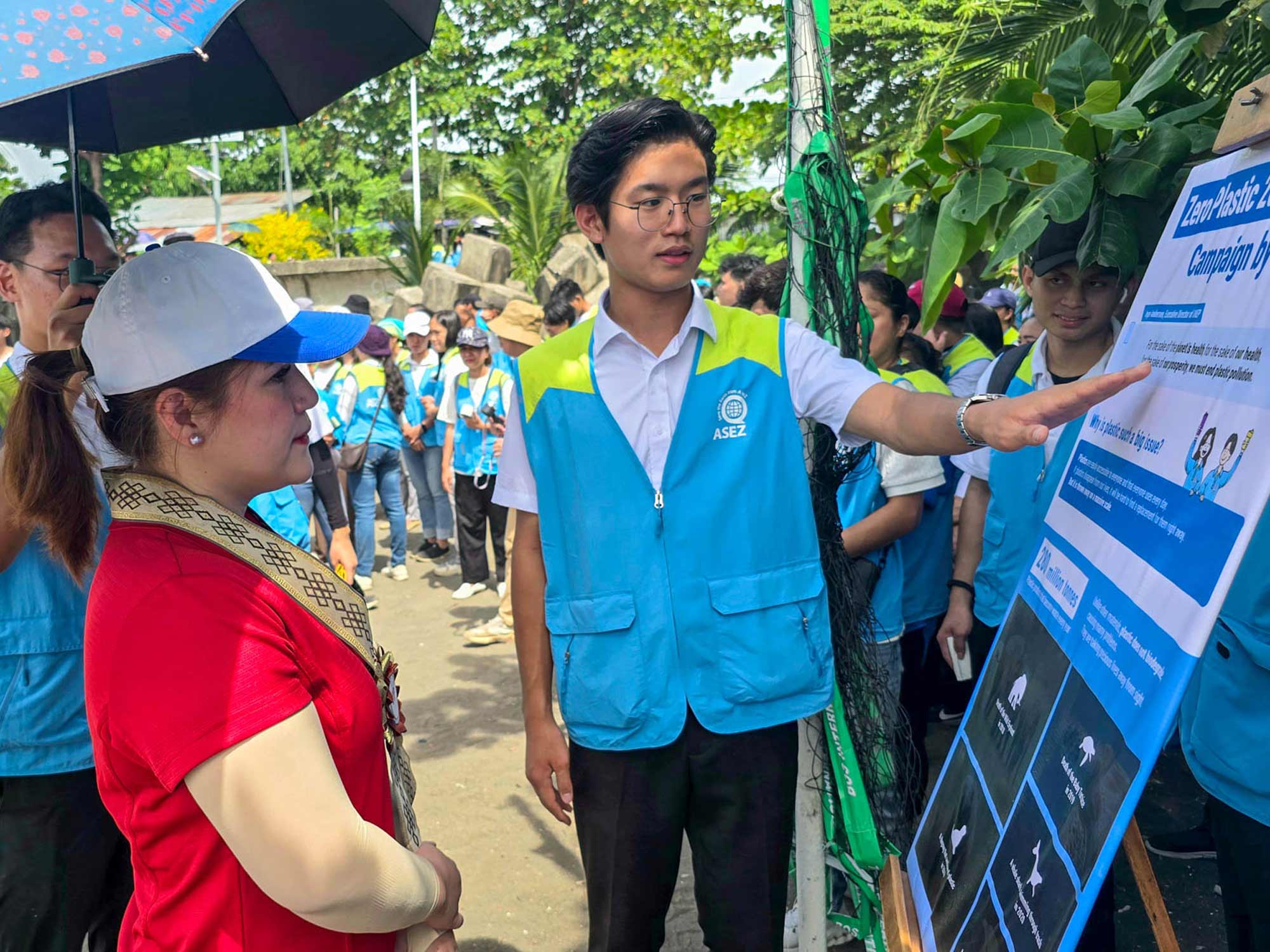
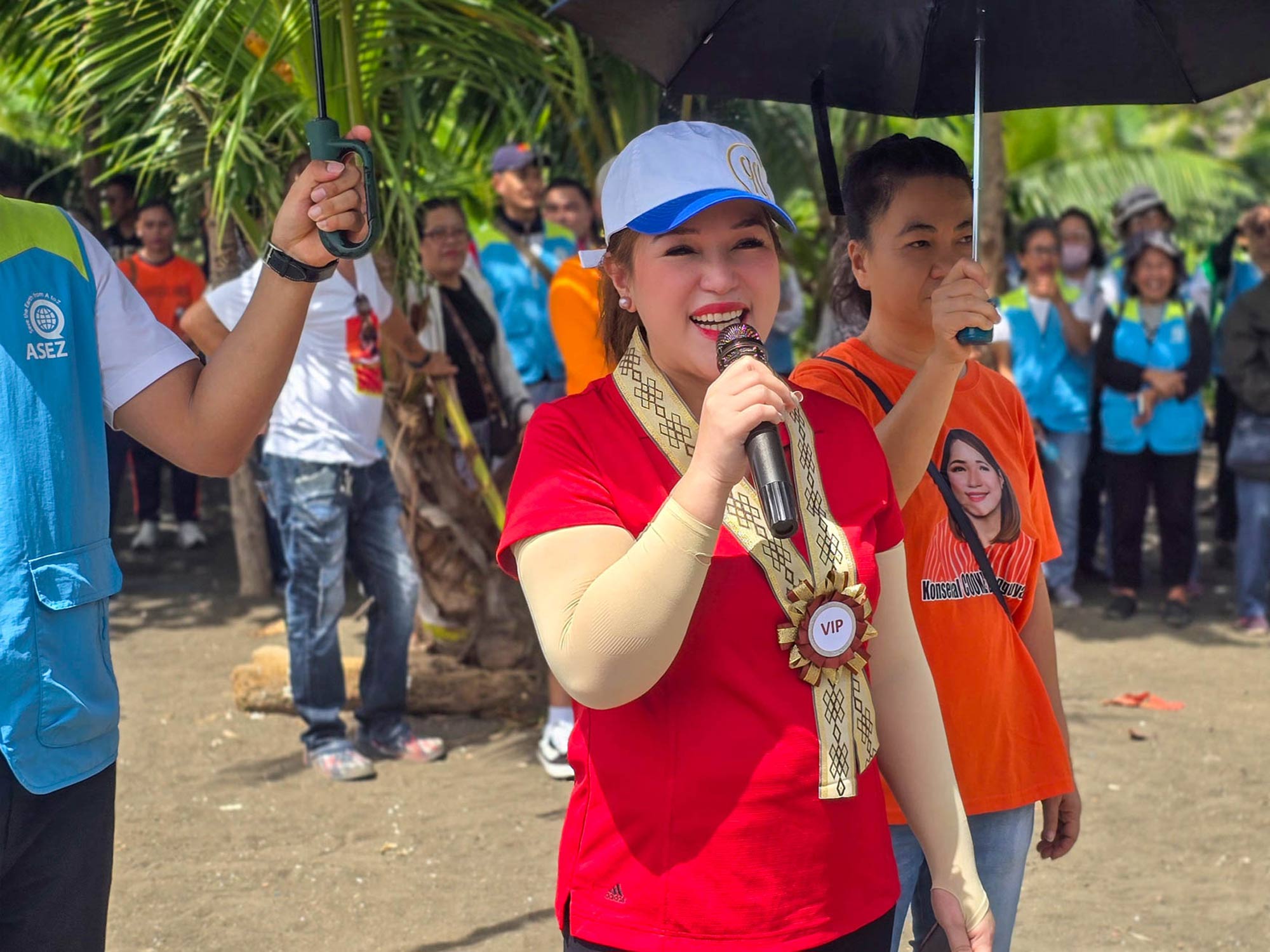
City council members from Davao also expressed their support. Councilor Rachel P. Zozobrado said, “I am honored to be part of this very meaningful initiative led by ASEZ. It is truly an excellent campaign. “Zero Plastic 2040” is a goal we must begin working toward now to achieve by 2040.” Councilor Jessica Bonguyan added, “I sincerely thank everyone involved, and I hope this is just the beginning. I look forward to seeing more programs and activities like this that protect and care for the environment, moving us toward zero plastic pollution.”
Officials from the DENR (Department of Environment and Natural Resources) Region XI, the BFP (Bureau of Fire Protection), the PCG (Philippine Coast Guard), and the DCPO (Davao City Police Office) also participated, supporting safety and smooth operations at the site. Prior to the cleanup, on January 22, ASEZ members appeared on a live broadcast of Radyo Pilipinas Davao, introducing their environmental initiatives and the purpose of the campaign, which helped raise community awareness. On the day of the event, PTV News covered the activity, highlighting the efforts of young adult volunteers and the significance of the campaign.
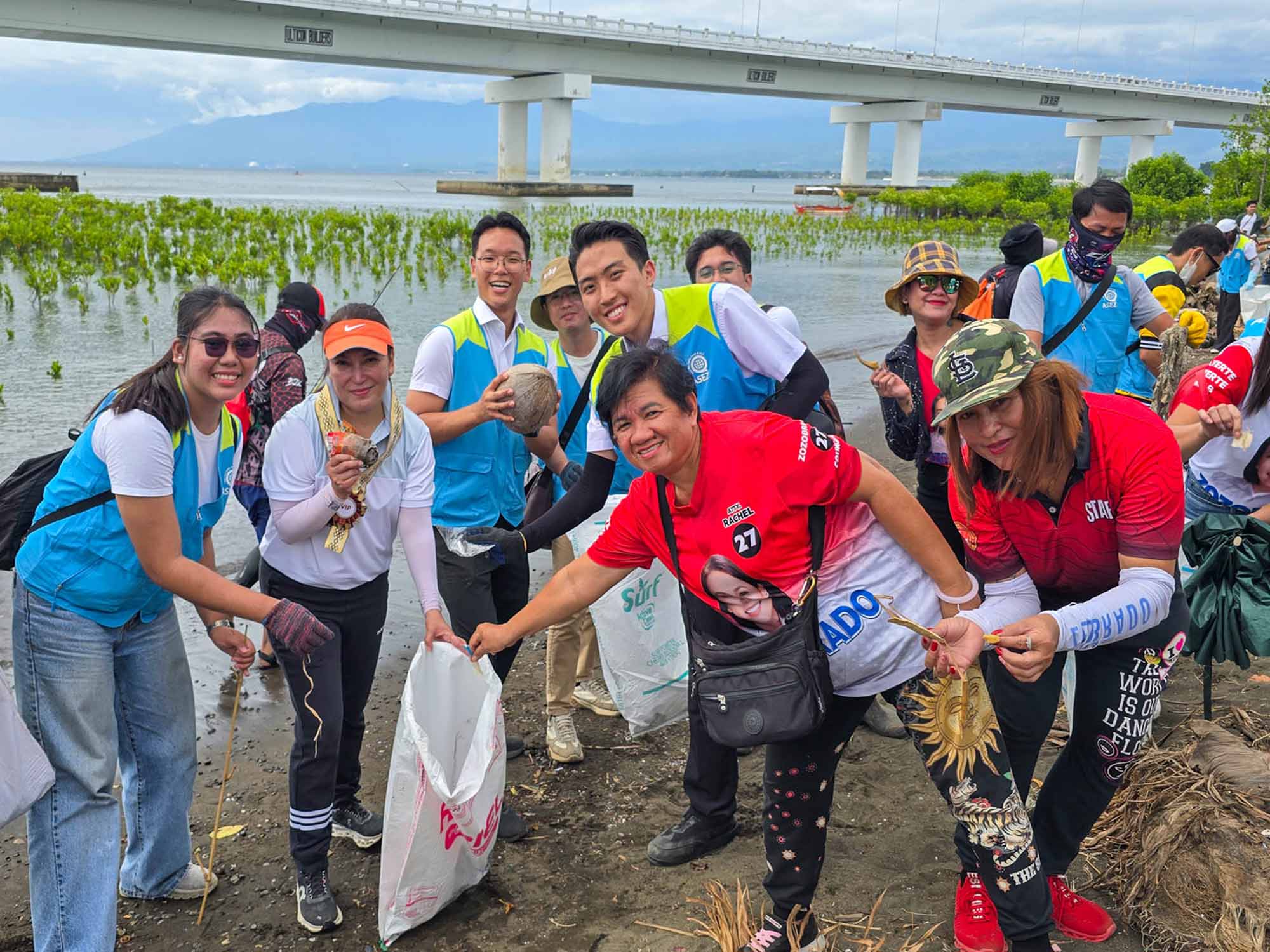
Participants also shared their impressions. Khen Randell said, “Although the weather was hot, I was happy to take part in something meaningful that benefits the community. As youth are the future, I want to contribute to creating a better environment through volunteer work.” Louisz Alnfonzo added, “As a member of ASEZ, I want to help protect the world through action. Reducing single-use plastics can also lower carbon emissions. As a young person, I will continue to do my part in protecting the Earth through action.”
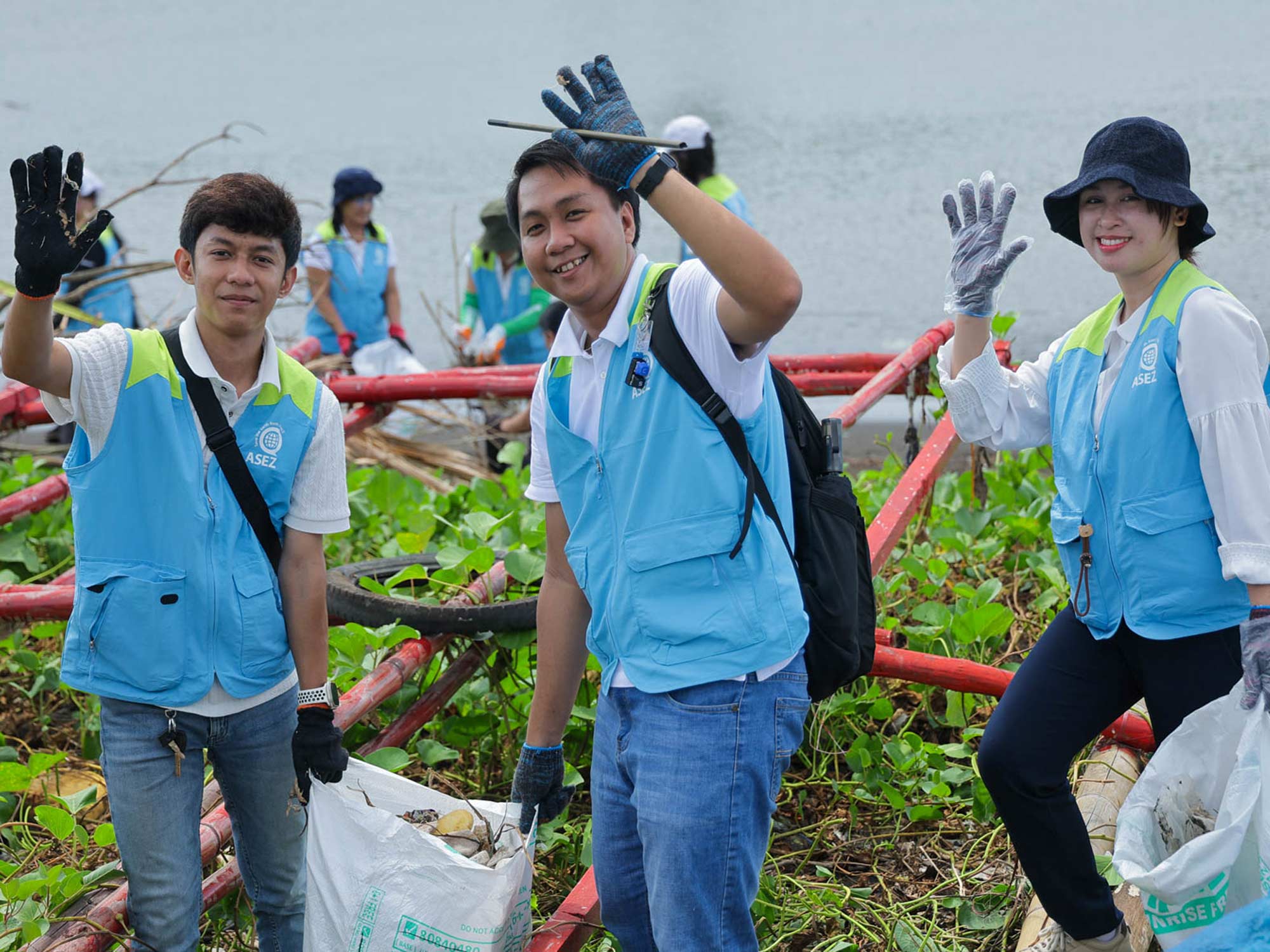
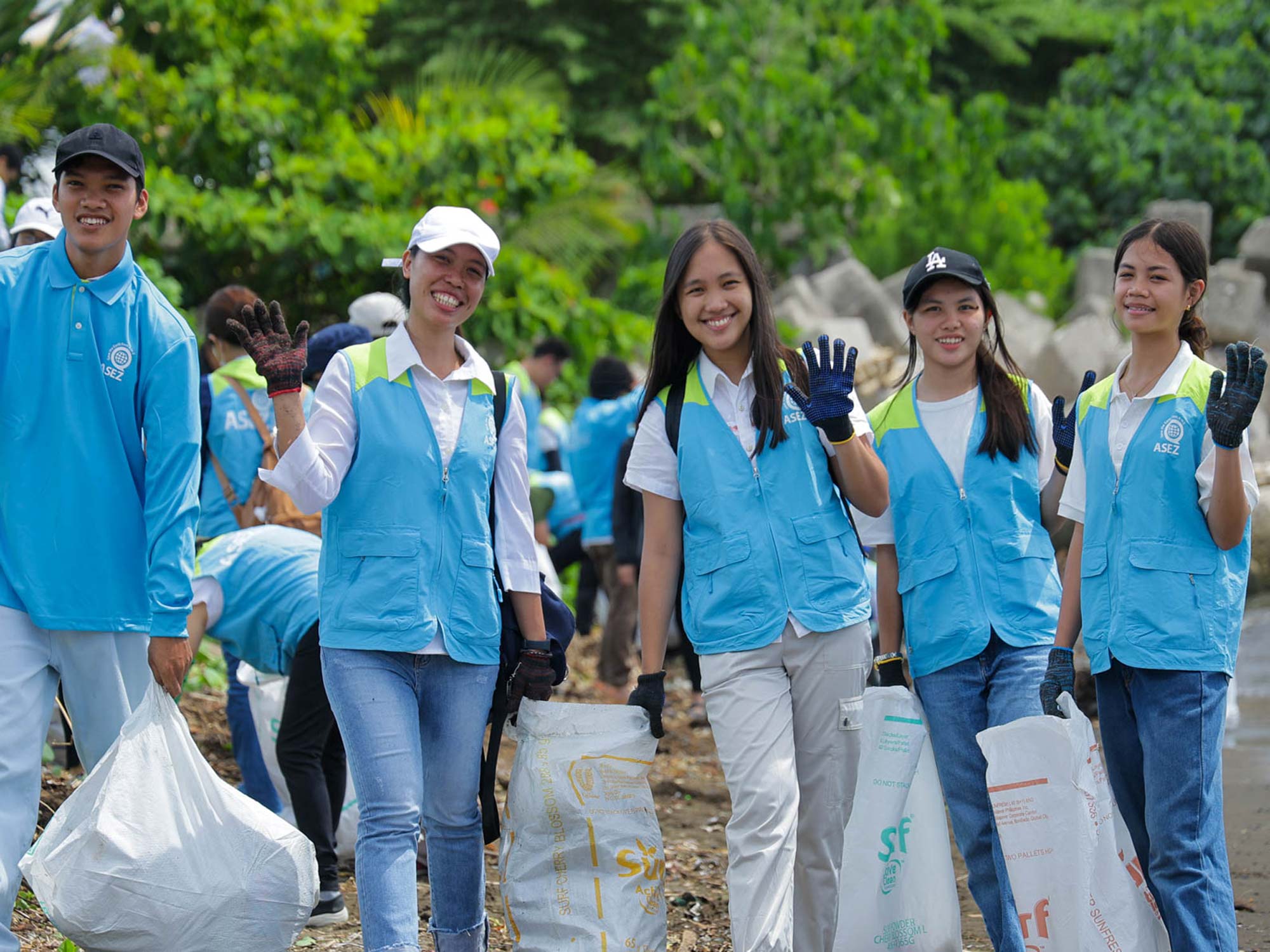
ASEZ’s environmental vision has also received official support from public officials, government agencies, and organizational leaders. Support signatures were provided by Philippine Coast Guard District Commander Philipps Soria; BFP Regional Director Juanito F. Maslang; Brigadier General Leon Victor Rosete, Regional Director of the Philippine National Police Regional Office XI; and Davao City Police Chief Mannan Caracas Muarip. Radio host Macel Dasalla and five Davao City council members also expressed their support, strengthening efforts toward sustainable environmental practices.
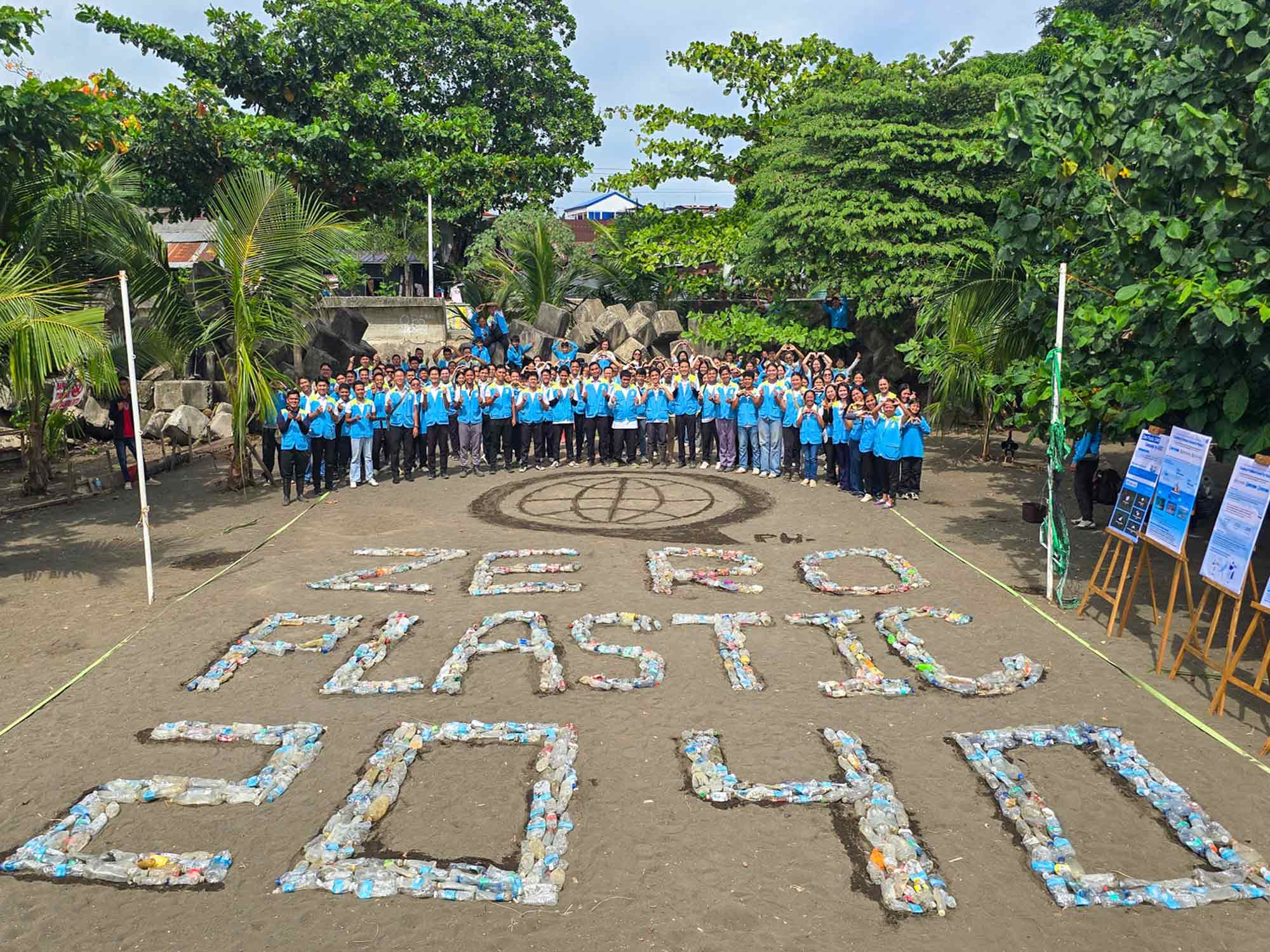
Furthermore, to enhance cooperation on future environmental programs and campaigns, ASEZ signed a MOU (Memorandum of Understanding) with DENR Regional Director Alnulfo M. Alvarez. This agreement is expected to strengthen collaboration with government agencies and promote more systematic, long-term environmental protection efforts.
ASEZ’s activities are also continuing in countries around the world, including South Korea, the United States, Germany, Peru, India, Kenya, and Australia. These efforts are drawing both international and local support, gaining recognition as a model for youth-led environmental action. With ongoing field activities and expanding partnerships, even greater impact is anticipated in the future.