Biodiversity: The Foundation of Human Life
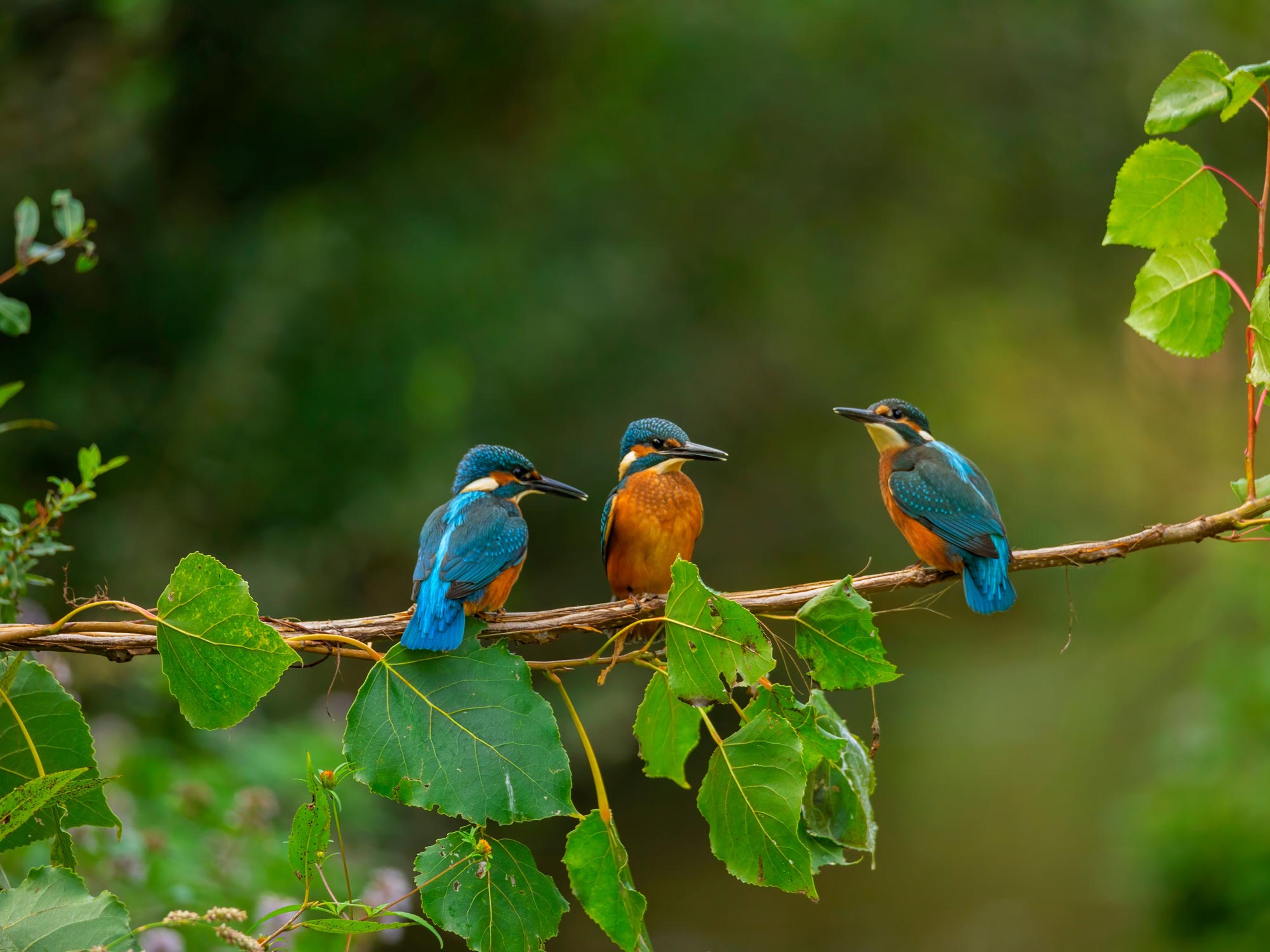
We often think of humanity as the master of nature. We believe that we are capable of building cities, developing natural resources, and managing ecosystems according to our needs. In reality, however, human survival itself depends on the benefits provided by the vast system of nature’s ecosystems. This is why numerous ecologists regard biodiversity as an essential element directly linked to human survival.
According to an analysis by PwC, a global accounting and consulting firm, 55 percent of global GDP—equivalent to approximately USD 58 trillion—is moderately or highly dependent on nature. [1] Protecting biodiversity, therefore, is not simply a matter of preserving plants and animals. It is a crucial factor that affects the entire global economy. When biodiversity is destabilized, everything built upon it is inevitably destabilized as well.
Disappearing Biodiversity

The importance of biodiversity is also demonstrated by concrete figures. In a 2016 report, the Intergovernmental Science-Policy Platform on Biodiversity and Ecosystem Services [IPBES] warned that declines in pollinators such as bees and butterflies could lead to changes in global crop supplies, resulting in a potential annual net loss of USD 160 billion to USD 191 billion in global economic welfare. [2] Taking the analysis a step further, a research team led by Dr. Matthew Smith of Harvard University estimated in a 2022 study that current inadequate pollination, which reduces the production of fruits, vegetables, and other foods, is associated with approximately 427,000 excess deaths worldwide each year. [3]
The Living Planet Report 2024, published by the World Wide Fund for Nature [WWF], presents an even clearer picture of the crisis. Between 1970 and 2020, the average size of monitored wildlife populations around the world declined by 73 percent. The steepest decline was recorded among monitored freshwater populations, which decreased by an average of 85 percent. [4]
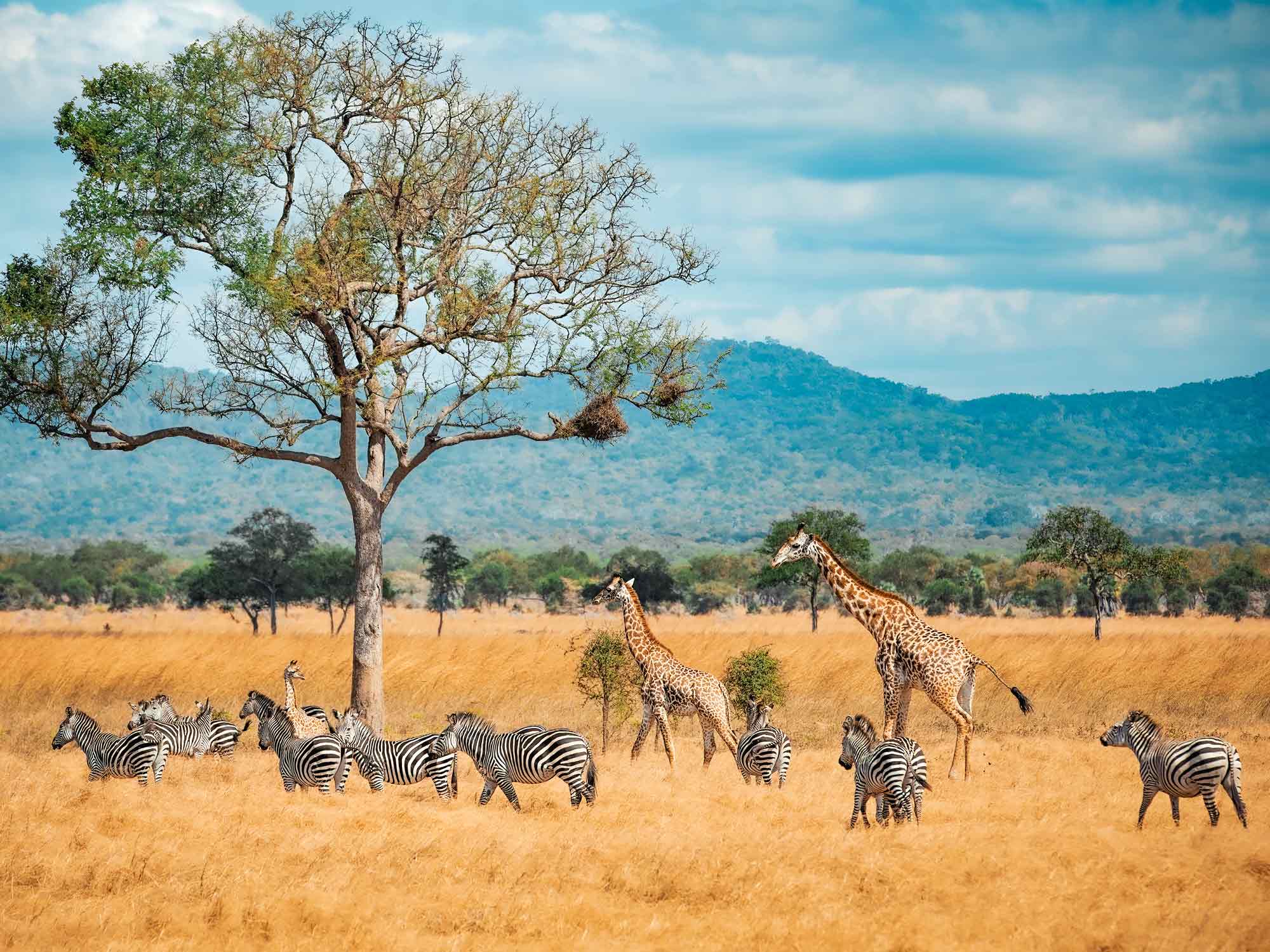
This does not mean that 73 percent of all wildlife worldwide has disappeared. Rather, it means that the average size of the monitored wildlife populations declined by that amount. Biodiversity loss is no longer a distant environmental problem belonging to the future. It has become a present reality that directly threatens humanity’s food supply, economy, and lives.
Toward Recovery: Nature Positive
Natural ecosystems resemble intricately interconnected webs. The decline of a particular species can therefore lead to a crisis throughout the entire ecosystem. To prevent further biodiversity loss, the international community has begun to fundamentally change its approach. While previous environmental policies focused primarily on slowing or stopping destruction, “nature positive” has recently emerged as a central goal—one that seeks not only to halt nature loss but also to actively restore damaged ecosystems.
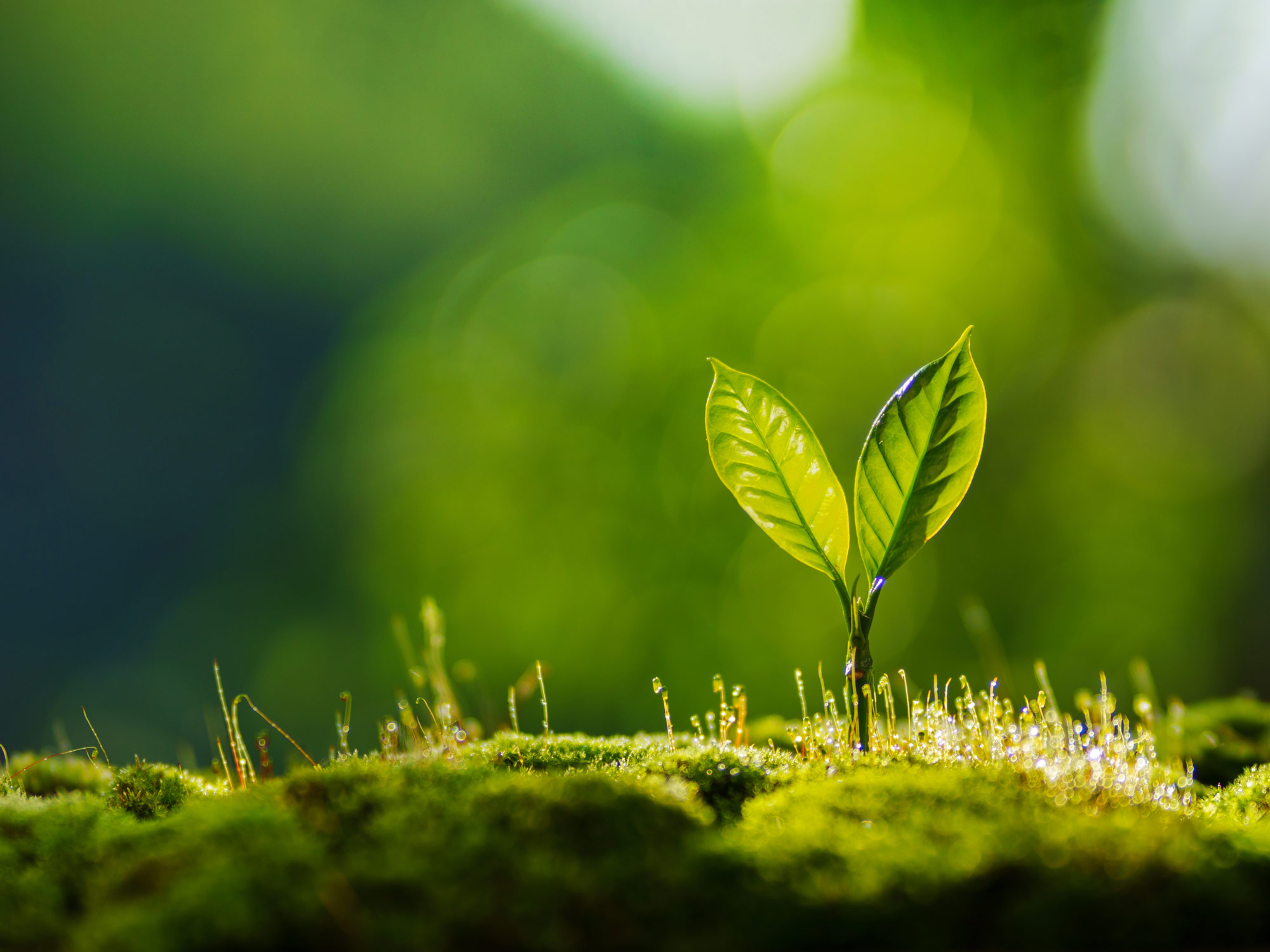
Nature positive is a concept that goes beyond reducing negative impacts on nature. It seeks to improve biodiversity and the health, resilience, and functioning of ecosystems, thereby shifting the trajectory from nature loss to recovery. It is generally defined as the global societal goal of halting and reversing nature loss by 2030, measured against a 2020 baseline, and achieving full recovery by 2050. [5] This direction was given concrete form through the Kunming-Montreal Global Biodiversity Framework, adopted in 2022. [6] The international community established the mission of halting and reversing biodiversity loss by 2030 and placing nature on a path to recovery, with the long-term vision of realizing a society that lives in harmony with nature by 2050. What remains now is how faithfully these commitments will be implemented on the ground.
Environmental Literacy and the Role of Young People
Changes in institutions and policies alone are not enough to fully achieve the goal of ecosystem restoration. Putting nature positive into practice requires citizens to have the practical capacity to understand environmental issues and translate that understanding into action. In this context, “environmental literacy” has recently received growing attention as an essential competency. [7] Environmental literacy refers to the capacity to critically understand the causes and structures of environmental problems and, based on that understanding, make responsible choices and take action.
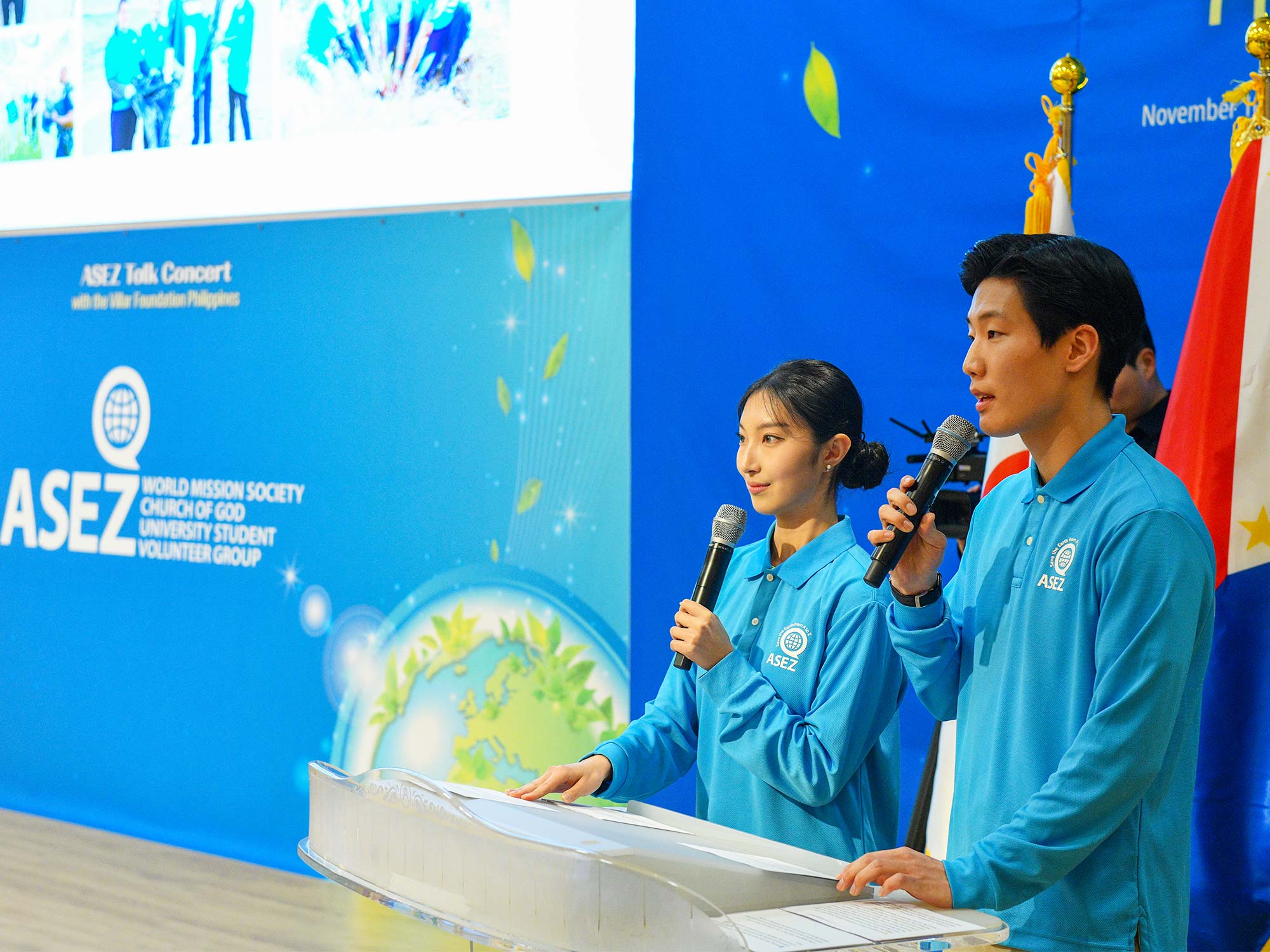
ASEZ, the World Mission Society Church of God University Student Volunteer Group, actively supports university students in developing environmental literacy. In particular, it regularly organizes meetings, seminars featuring invited experts, and forums to help students gain a deeper understanding of biodiversity and nature positive. Through these efforts, ASEZ encourages young people not to remain merely the objects of change, but to grow into active agents who directly shape a sustainable society.
Learning how to live with nature rather than dominate it may be the true meaning of environmental literacy. When individuals who understand environmental issues correctly, make sound judgments, and take action come together, a future in which humanity and nature coexist can finally become a reality.